Inmates, families fear worst for Fort Worth federal prison ‘consumed’ by coronavirus
The last time Veronica Chavez talked to her uncle, he was afraid.
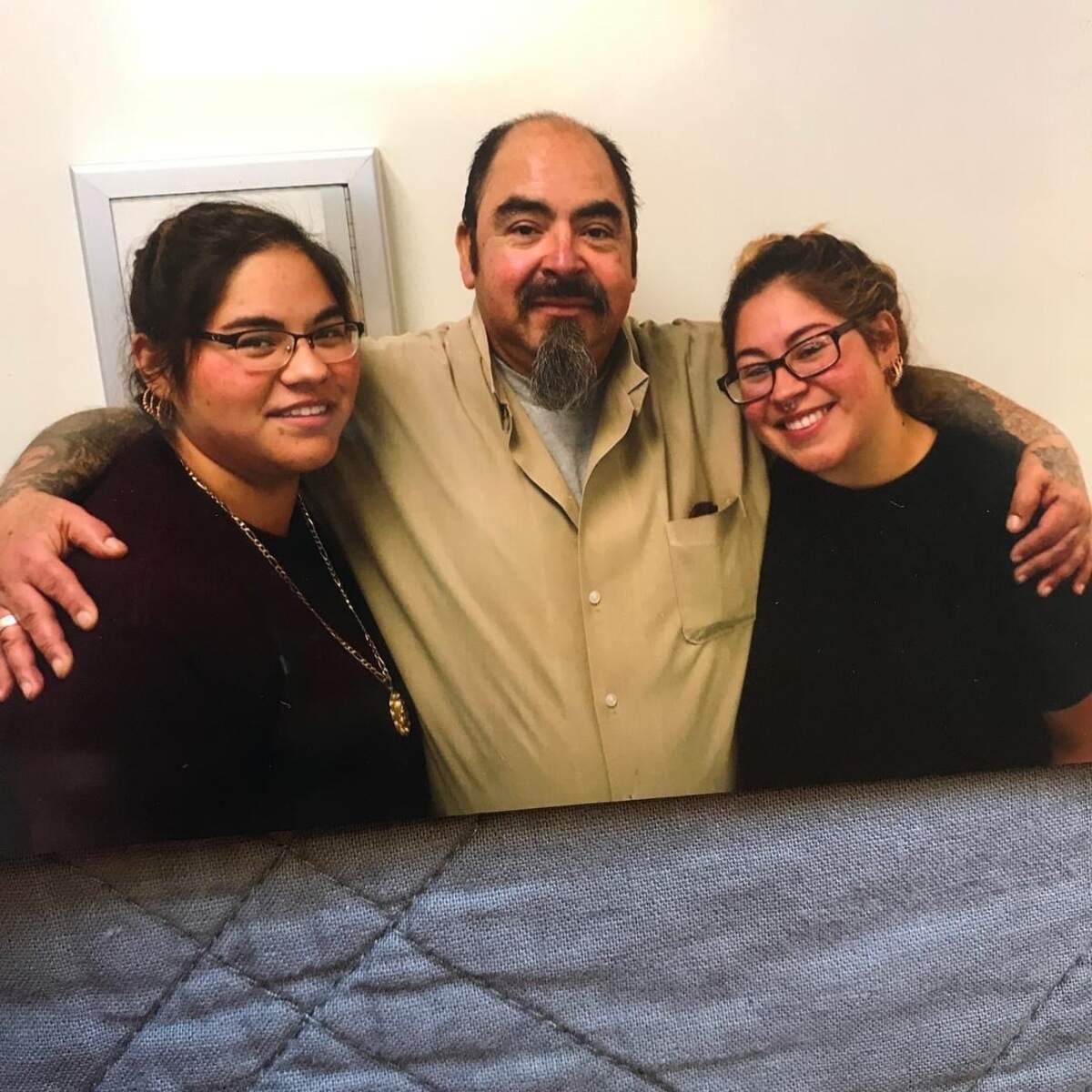
Guadalupe Ramos, 56, an inmate at FMC Fort Worth, had just tested positive for coronavirus, was short of breath and sounded like he had already given up when he spoke to his niece by phone from the prison.
It was April 23 — 15 days after the first inmate at Federal Medical Center Fort Worth tested positive for coronavirus. At least 131 people inside the medical prison for men had COVID-19 at that time. As of Tuesday, 636 inmates — 43% of the total population — had tested positive. Five have died and four are listed as recovered, according to the Federal Bureau of Prisons website.
Two days after testing positive, Ramos, who also had diabetes, a chronic lung disease and hepatitis, was rushed to the hospital.
On May 10, he died after being in a coma for about two weeks.
“We’re holding up as best as we can,” Chavez said. “We were hoping he would be coming home alive versus him coming home in a casket.”
His death left his grown children parentless — their mother, who had cancer, died May 5.
Inmates and their families echoed Chavez’s fear that time at FMC Fort Worth amounts to a possible death sentence. Most of the inmates are convicted of drug crimes and have medical needs, including a 38-year-old former basketball player hoping for release on good behavior, a man sick with coronavirus as he serves time for a marijuana conviction, and a 78-year-old who celebrated his birthday days before he died of coronavirus and weeks before he was scheduled to receive compassionate release.
For the 1,467 inmates in FMC Fort Worth, coronavirus is a wildfire they cannot escape as it spreads from the bottom floors of the prison to the top.
“What they’re telling us is that no matter what, we’re going to catch it,” said Raymond Carmona, a 41-year-old inmate with coronavirus. “It’s consuming the whole compound.”
No social distancing in prison
Ramos could have picked up COVID-19 from anywhere in his unit, which was the first to be infected with coronavirus.
At the start of April, there were five housing units in the prison, all named after cities. Ramos was in the San Antonio unit on the bottom floor; nearly all 272 men in the San Antonio unit caught the virus, corrections officer and union president Gregory Watts said.
The prison has added two units and a “Tent City” since the pandemic began. Inmates said they watched with anxiety as the tents went up on the tennis courts, unsure what they were. Watts said the prison plans to have 10 tents to house recovering inmates and three medical tents for those who are seriously ill.
As of Friday, about 90 recovering inmates were moved into the tent city, Watts said.

In prison, staying 3 feet apart, let alone 6 feet, is a challenge, said inmate Chris Monroe, the 38-year-old former college basketball player.
“We live in a facility made for communal living that doesn’t allow for social distancing,” Monroe said. “The one sure way to stop the spread of the virus is not possible with our population.”
Each of the prison’s five original units houses about 300 people. Each unit shares seven to eight bathroom stalls, eight urinals and about a dozen showers, inmates and Watts said. Carmona said with 270 men washing their hands more frequently, sometimes the soap dispensers run out, and they do not have hand sanitizer. Monroe said he bought his own Irish Spring antibacterial soap to use.
In a statement, the Bureau of Prisons said individual bars of soap were available for inmates in common areas, or could be purchased for personal use. Prisons provide soap for inmates who do not have money to buy it, the BOP said.
After the first inmate tested positive at the prison on April 8, the prison locked down. Visitation was suspended. Several inmates said they were only allowed to go outside once in April, and the recreation room was shut down. The TV rooms remain open.
With little to do and much to worry about, the prison atmosphere has become more tense, Officer Watts said.
“We’re doing the best we can for the inmates,” he said.
But there are only so many places to go in a prison. Inmates still line up within their units for medication and food. The warden allows inmates to make unlimited free phone calls home to make up for the lack of visitation, so the phones are nearly always in use.
As Monroe talked on the phone with the Star-Telegram, he said he wondered who used the phone before him. Was the person sick? Did he wear a mask? He said information in the prison is “sparse” and he has been finding out the total number of cases from his mom. Being kept out of the loop, he said, adds to the anxiety and frustration.
“All we know is the bottom floors are infected with it, and it seems like up here, we’re the last ones to be winning the fight,” Monroe said. “But for how long?”
The BOP said in a statement its facilities have coordinated COVID-19 efforts since January and it’s now on phase 6 of its contingency plan.
Under this plan, inmate movement is minimized, asymptomatic inmates are placed in quarantine for a minimum of 14 days or until cleared by medical staff, and symptomatic inmates are placed in isolation.
Coronavirus in prison
Monroe has been at FMC Fort Worth since 2015 on drug charges. His family members, who live in the Dallas-Fort Worth area, and attorney Benson Varghese filed an appeal to have Monroe released. He ticks off every box for good behavior — he completed multiple certifications, graduated with honors from the drug rehab program and secured the coveted job of dental assistant.
But his appeal was denied on April 24; the judge said he is too healthy, and does not fit the criteria for medical need.
On May 5, Monroe’s unit — which is on the top floor of the main building — was mass tested for the virus. Two other units have also been mass tested, Watts said. Monroe found out over the weekend that he tested positive.
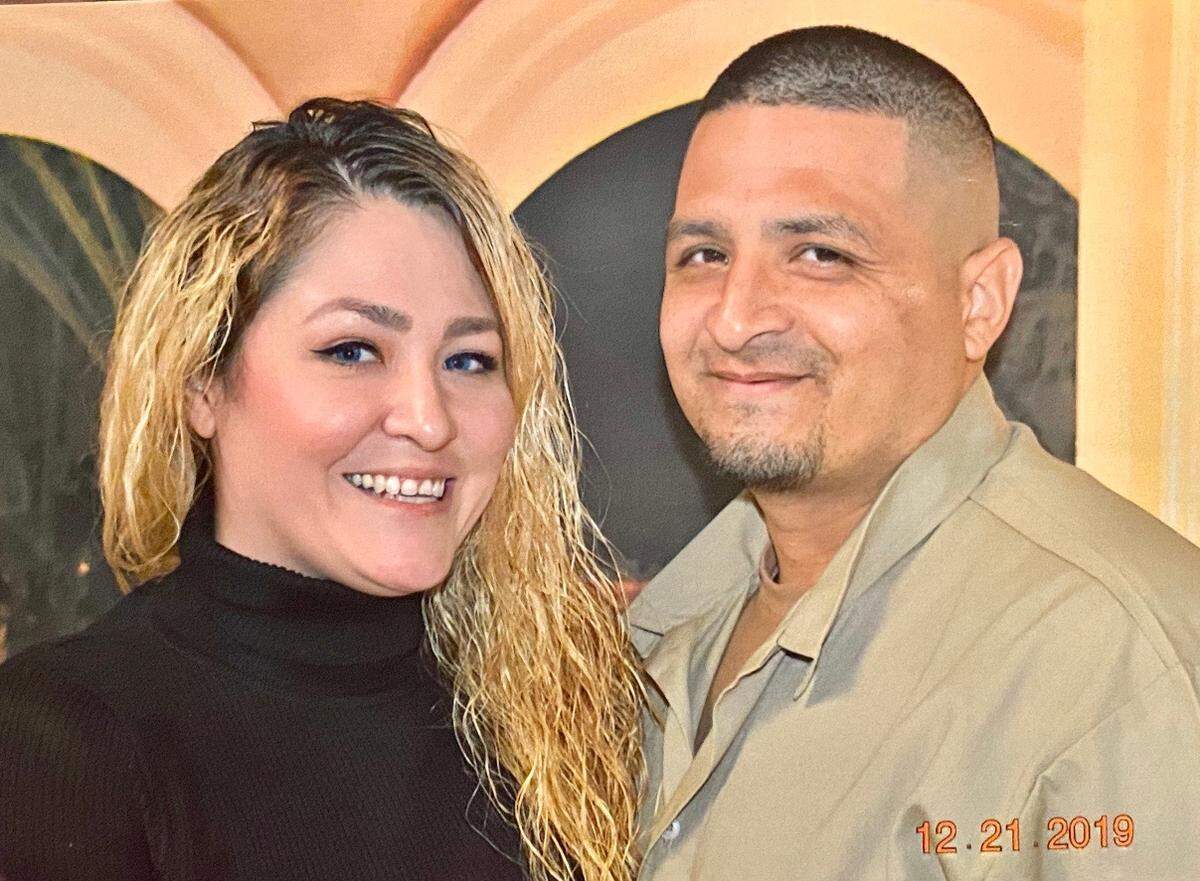
Carmona, who is in prison on a marijuana charge, has been ill since around April 12. He had trouble breathing and his body ached. He stayed in bed all day with all his clothes and blankets on to try and sweat out the virus. When he was tested the next day, the swab came out with blood on it. A few days later, he learned he was positive.
“We’re still going through it,” he said on May 3.
At first, those who were seriously sick were sent to a separate area with 24 bunks that Carmona described as “claustrophobic.”
“If you’re sick, all you can do is sit and think about your sickness,” he said.
At one point, sick inmates from the second-floor Houston unit were being sent to the San Antonio unit, Carmona said, but then the virus thoroughly spread throughout that entire level, too.
The prison’s method of separating those with and without coronavirus evolved as the virus spread, Watts said. Now, when an inmate tests negative, they are removed from the unit. Those who test positive remain. They are given Tylenol if they have a fever or other symptoms.
Those who are seriously sick are sent to the prison’s medical clinic or JPS hospital, depending on the severity of their symptoms, Watts said. Many of the inmates have underlying conditions that put them at risk of developing serious COVID-19 symptoms.
The prison continues to try to separate the positive inmates from those who tested negative, but that also has challenges.
“Even though a person tests negative today, and we put them in a negative area, that doesn’t mean they won’t become positive in a few days,” Watts said.
One inmate with serious health conditions was Oscar Ortiz. The 78-year-old’s fellow inmates threw him a birthday party on March 5 and celebrated his upcoming compassionate release, Carmona said. Considering his health and 19 years of time served, Ortiz was approved to go home on May 5. He had been sentenced to 30 years in 2002 for conspiracy to distribute methamphetamine and/or marijuana, drug possession/distribution and concealing knowledge of a felony.
But on April 24, Ortiz died at JPS hospital from COVID-19.
How it started
The first inmate tested positive on April 8.
The prison was not yet on lockdown, there was minimal personal protective equipment and inmates were still going to meals and shared recreation rooms, Carmona and Monroe said. Carmona said officers were not required to wear masks.
The prison eventually set up staggered meal times so the units were not eating all together, and now the staff prepares and delivers inmates’ meals directly to the units.
Carmona’s attorney, Jasmine Crockett, said the Bureau of Prisons and FMC Fort Worth officials should have tackled the virus more aggressively.
“We have several federal facilities in Texas, and this is the only one out of control right now,” she said.
FMC Fort Worth has by far the most cases of coronavirus out of the 14 federal prisons in Texas, and has the third most cases in the country, according to the Bureau of Prisons website.
Only one other federal prison in Texas has had inmates test positive for COVID-19 — FMC Carswell, which is also in Fort Worth. The medical prison for women has had two positive cases, one of which resulted in a woman’s death.
A staff member was the first person associated with the men’s prison to test positive for COVID-19.
Watts said the staff member had a false negative coronavirus test, so the person continued coming to work. About a week later, the person had another test, which came back positive. That officer has now recovered and is back at work.
Two other officers have tested positive, Watts said.
Watts said the continued transfer of inmates into the prison is partially to blame for the spread. The Bureau of Prisons and Department of Justice sent inmates into the prison even after some had tested positive. In hindsight, Watts said, the DOJ should have stopped transfers, and the BOP, which is legally required to accept inmates from the U.S. Marshals Service, should have pushed back against transfers.
“We cannot say no to transferred inmates,” Watts said. “If from the onset of this we would have pushed to get the Attorney General or White House involved, we should have used that to make them aware and be proactive from the top down.”
The BOP said it has taken steps to reduce the transfer of inmates, which it said nationwide is down 95% compared to this time last year. However, the BOP is legally required to accept newly convicted inmates and inmates awaiting trial who are placed in BOP custody.
Newly admitted inmates are screened and placed in quarantine for 14 days after transfer, the BOP said. Inmates awaiting transfer or release are quarantined for 14 days prior.
Watts said officers and staff should have been wearing PPE as early as January or February.
Watts also said FMC Fort Worth is reporting such high numbers because the prison has been able to test so many people with Rapid RNA testing, which not every prison has access to.
Out of the roughly 140,300 federal inmates, the BOP has tested about 2,700 of them, according to data on the BOP’s website. In a prepared statement, the BOP said it was prioritizing mass testing at facilities with evidence of widespread transmission and at medical facilities.
‘They’re scared’
Once a virus enters the prison, it’s difficult to prevent it from spreading, said Michele Deitch, a senior lecturer at the LBJ School of Public Affairs and the School of Law at The University of Texas at Austin.
“If it got in early and they didn’t take the steps to mitigate the risk from spreading early on, it’s not surprising,” Deitch said. “Some of the steps they needed to take needed to be taken a long time ago.”
Watts said that each day, he and the warden walk around the prison and ask inmates what they can improve on.
“They’re scared,” he said. “Imagine being locked up and you have a release date soon and you’re going through this crisis.”
He warned as they continue to test inmates, the number of confirmed cases will continue to rise. In the meantime, they try to limit cross-contamination, give inmates three masks a week and all the guards wear N95 respirator masks.
“We are doing the best we can with what we can,” Watts said.
Ramos’ daughter, Christiana Ramos, said her father was her best friend. Sunday, the day he died, was her birthday.
“He promised me to come home. Never did I think it (would) be this way,” she wrote in an email. “I will never get to see or touch my dad again, feel his embrace, hold his hand, tell him I love him again.”
Ramos was looking forward to seeing his grandchildren and his children, who he had not seen outside the prison for nine years. He loved to dance and play bingo and go to barbecues, his family said.
But he will not get to do any of those things.
Christiana Ramos said she hopes no other family has to lose their loved one the way she lost her father.
“How many more inmates will have to die because the justice system is so careless about these inmates and not having any compassion for us families?” she said. “The system has to do better.”
This story was originally published May 11, 2020 at 2:40 PM.