When Texas businesses slash property values, it’s at your expense. Here’s how much they save
Thanks to a little-known tax code provision, Texas businesses are able to slash their property values by millions every year. The state loses $26 billion of taxable property each year as a result, according to the Texas Association of Appraisal Districts.
In Tarrant County alone, it is the equivalent of removing thousands of homes from the county tax rolls. Using this provision, the county’s top five commercial property owners were able to remove the equivalent of more than 1,000 homes worth of property value in 2021 — by December 2020 standards, when the median home price in the county was $270,000.
In the same time period, the median home price in Tarrant County increased by 10.2%, according to data from the Greater Fort Worth Association of Realtors.
Here’s a snapshot of how much the county’s largest commercial property saved in one year:
1. American Airlines/Envoy Air Inc.
Total 2021 appraised value: $2.08 billion
Value removed: $133.9 million (6.42%)
How many houses is that? 496

2. Winner LLC (Facebook)
- Total 2021 appraised value: $1.38 billion
- Value removed: $102.7 million (7.4%)
- How many houses is that? 380
- (Winner LLC total market value does not include a second account for which property value notice data was not available).
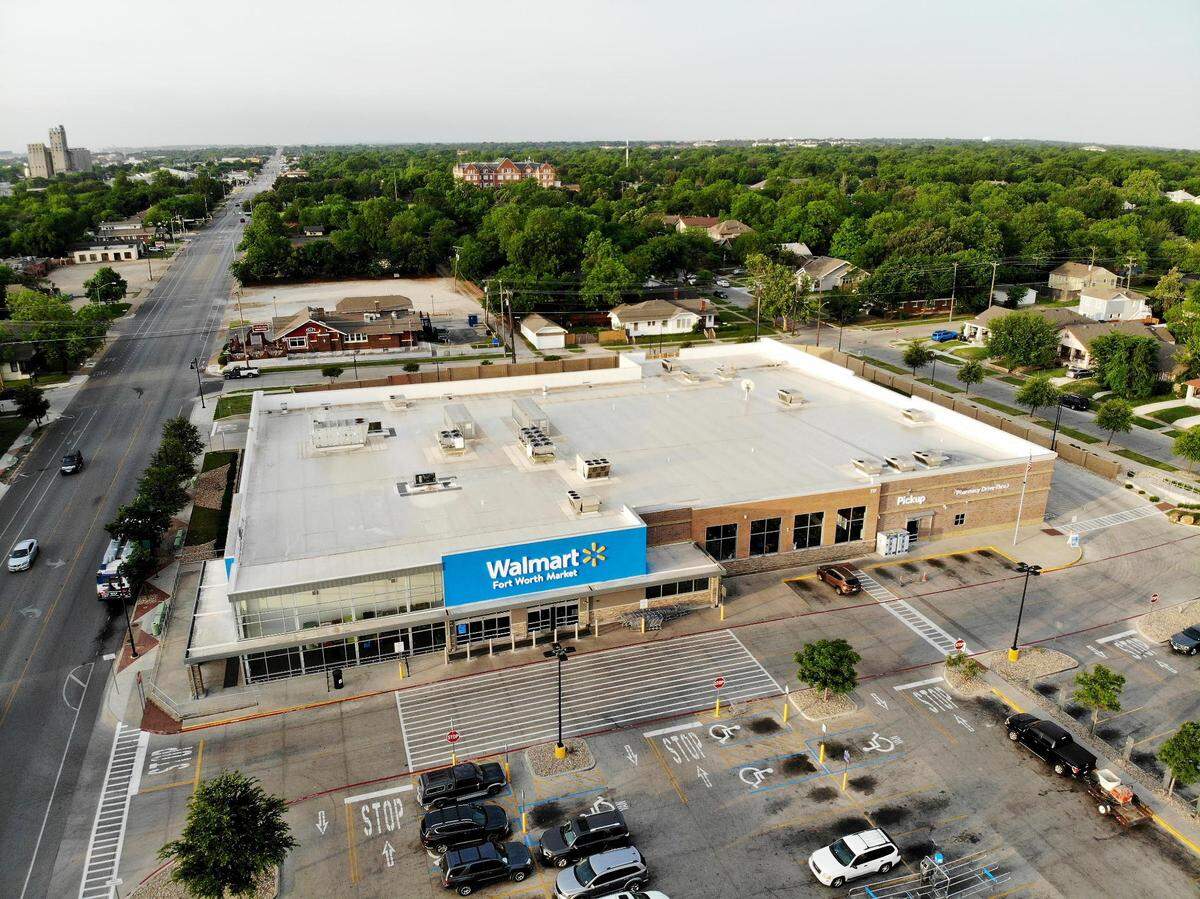
3. Wal-Mart Stores Texas LLC
- Total 2021 appraised value: $402.2 million
- Value removed: $36.0 million (8.2%)
- How many houses is that? 133
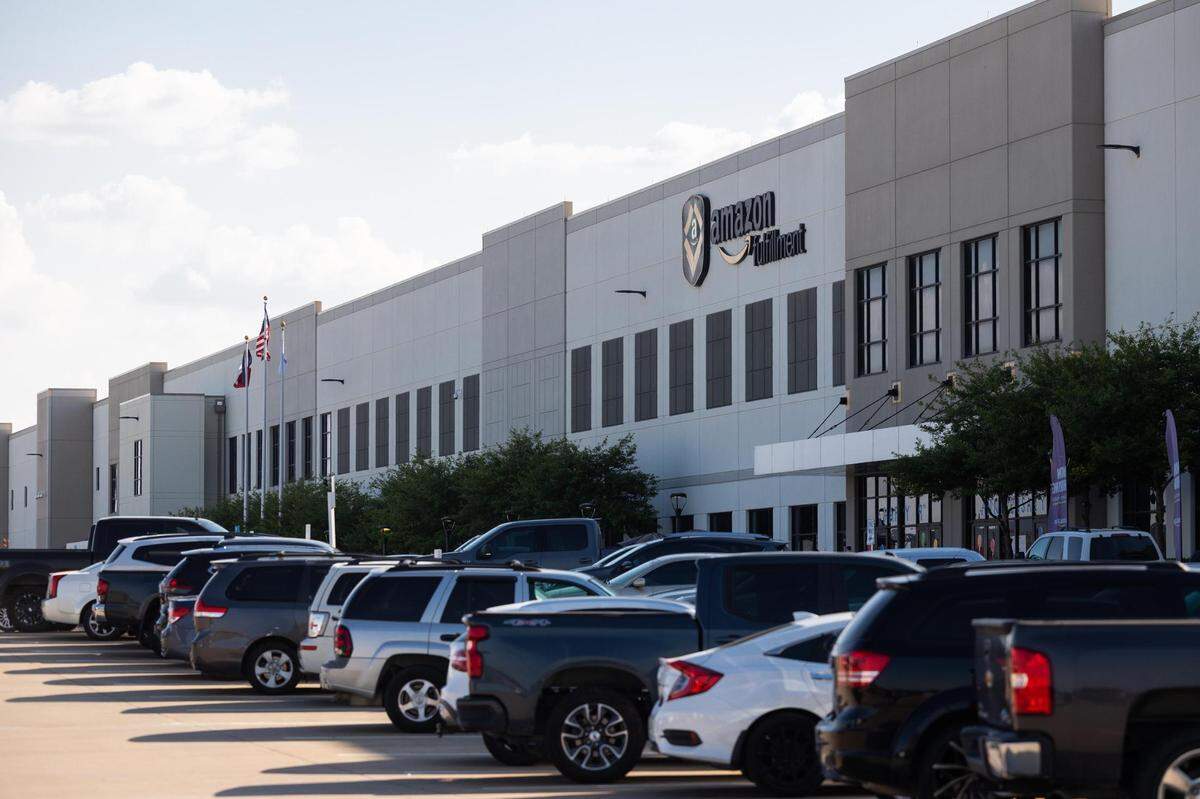
4. Amazon.com Services LLC
- Total 2021 appraised value: $511.1 million
- Value removed: $0
How many houses is that? 0
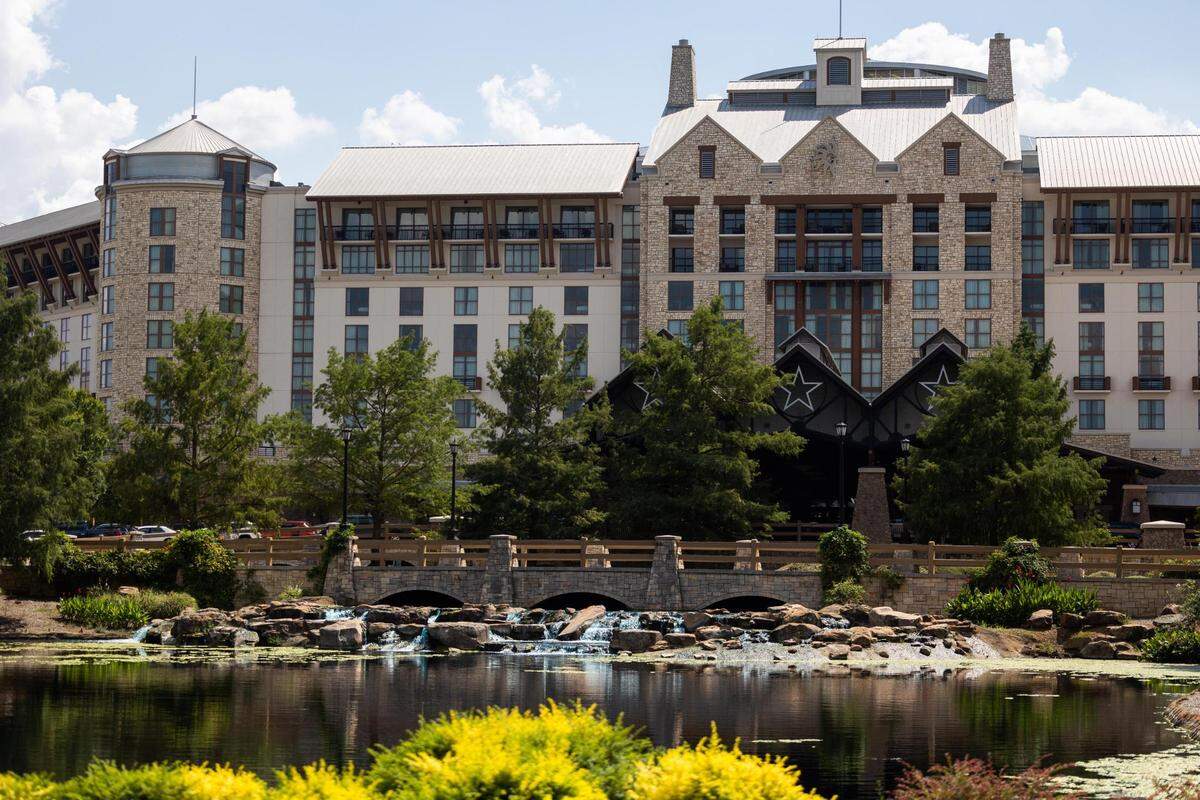
5. Opryland Hotel (Gaylord Texan)
- Total 2021 appraised value: $289.6 million
- Value removed: $15.2 million (5.2%)
- How many houses is that? 56
How it works
At the end of its 75th session in 1997, the Texas Legislature passed a seemingly minor tax code amendment that in the next 25 years would quietly cost Texas homeowners billions of dollars.
The amendment gave property owners a new avenue to protest their property appraisals. Using this new method, a property owner could argue their value should be decreased because a collection of similar properties were valued at less.
The statute does not mention market value. Nor does it specify that comparable properties be in the same appraisal district.
For example, if the Tarrant Appraisal District appraised a downtown Fort Worth skyscraper at $100 million, the owner could sue TAD in district court to lower the value, arguing that a similar building in Lubbock was appraised at $80 million. That reduction in value could save the property owner more than $500,000 in taxes.
This remedy is available to homeowners as well, but most households don’t have the resources to be as litigious as large companies. And the potential savings wouldn’t outweigh the cost of legal counsel, said Aaron Layman, a broker and owner of Aaron Layman Properties in Denton County.
Furthermore, Texas tax code requires appraisal districts to pay a property owner’s legal fees if the property value gets lowered in district court.
“They know they have all the leverage because appraisal districts have limited budgets to be able to go to district court,” said Brent South, chief appraiser of Hunt County Appraisal District. “They know that if they can file lawsuits, they’re going to force us into settlements.”
Companies save. Homeowners lose.
To understand the relationship between commercial and residential property taxes, you have to look at a tax bill like a pie, said Chandler Crouch, a broker and CEO of Chandler Crouch Realtors who helps people protest their property tax appraisals for free.
Taxing entities — the county, its school districts, its cities and its public hospitals — need a certain amount of money to operate. When commercial property owners don’t pay according to their market value, residential property owners shoulder more of the tax burden, he explained.
This unequal distribution “doesn’t reduce the amount of tax that must be paid,” Crouch said. “It just changes who pays it.”
At this point, taxing entities have come to expect this hit, and they now have to prepare for it.
Because many of these lawsuits aren’t settled by the time tax rates are set, entities “end up setting a higher rate than is necessary to ensure they have the money they need to fund their operation,” said Alvin Lankford, chief appraiser of Williamson County Appraisal District.
Not the only tax break
Suing to lower property values isn’t the only way companies are saving on property taxes in Texas. Cities also can separately offer incentives packages to companies.
For example, Facebook got an incentive package that included a one-year 20% property tax break provided the company creates a minimum of four jobs with an average salary of $43,992, the Star-Telegram reported in 2020.

The state also offers tax code Chapter 313 — the Texas Economic Development Act — which allows school districts to provide property tax breaks to companies that build new facilities in Texas.
It accounts for nearly a $1 billion in tax breaks for Texas companies. In 2021, there were 509 active agreements under Chapter 313.
In 2017, University of Texas at Austin professor Nathan Jensen studied 257 program projects and determined that 85% to 90% would have invested in Texas even without the program.
“That’s just a giant loss,” said state Sen. Nathan Johnson, a Democrat from Dallas.
The program is set to expire at the end of 2022. Johnson would like to see it reformed to include more benchmarks to measure “whether these companies are living up to their promises.”
Reforming the tax code
These methods of getting property tax relief — specifically use of the equal and uniform standard — are legal.
In fact, companies would be missing out if they didn’t take advantage.
But these legal remedies have become the targets of politicians like Johnson looking to rein in companies’ ability to shift the property tax burden to homeowners.
In the last legislative session, Johnson proposed a reform to the equal and uniform statute that would require that comparable properties be located in the same appraisal district, where possible. But it’s hard to get momentum for such an emotionless and complex topic, he said.
“People think about property tax relief in terms of caps and buy-downs. When I tell them, you are subsidizing a skyscraper’s property taxes, I think people are more doubtful of that, and they’re less likely to believe that that’s the route we need to go,” said Johnson.
As politicians prepare for the 88th Texas Legislative session, which begins in January, property tax relief is sure to get renewed attention, but changing the equal and uniform statute remained “a very heavy political lift,” Johnson said.
This story was originally published September 7, 2022 at 3:40 PM.