The Biden-brokered railroad deal seems to be falling apart. How likely is a rail strike?
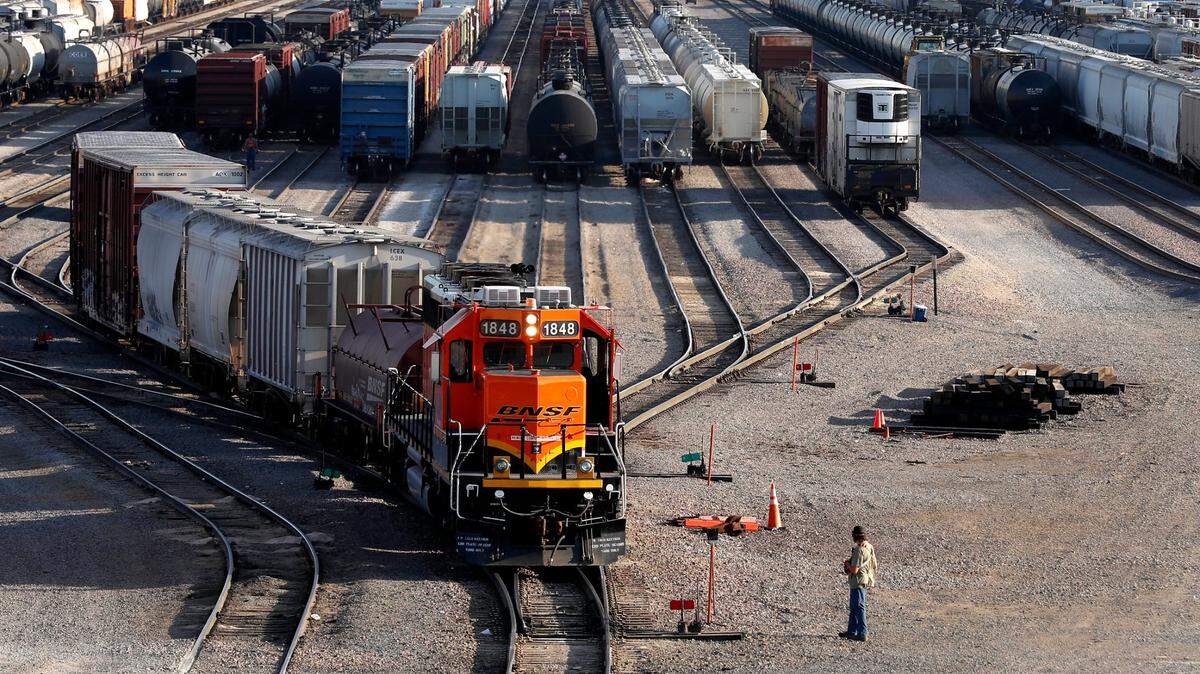
Now that two major railroad unions have voted against the agreement President Joe Biden helped broker to avoid a strike in September, the renewed threat of a rail strike looms over the midterm elections.
Of the 12 unions that represent the nation’s nearly 125,000 rail workers, the Brotherhood of Railroad Signalmen and the Brotherhood of Maintenance of Way Employes Division of the International Brotherhood of Teamsters both voted down the deal.
The two unions represent about 25% of the nation’s unionized railroad employees, according to data from the National Railway Labor Conference, which represents railroad carriers including those at Fort Worth-based BNSF.
Meanwhile, six other unions have approved the deal: the Brotherhood of Railway Carmen, the International Brotherhood of Electrical Workers, the Transportation Communications Union, the National Conference of Firemen and Oilers, the American Train Dispatchers Association and the International Association of Sheet Metal, Air, Rail and Transportation Workers Mechanical Division.
The six unions who approved the deal represent about 19% of the nation’s unionized rail workers.
The results of ratification votes from the remaining unions are expected to be announced in November:
- International Association of Machinists: Nov. 5
International Brotherhood of Boilermakers, Blacksmiths, Iron Ship Builders, Forgers and Helpers: Nov. 14
Brotherhood of Locomotive Engineers and Trainmen: Nov. 21
International Association of Sheet Metal, Air, Rail and Transportation Workers Transportation Division: Nov. 21
The Locomotive Engineers and Trainmen and Sheet Metal, Air, Rail and Transportation Workers are the largest railroad unions, representing a combined 62,100 workers. That’s almost half of the nation’s unionized rail workers.
But could a rail strike — that would halt interstate commerce and would cost an estimated $2 billion per day — actually happen?
Without a new deal or intervention by Congress, a strike could happen as early as Nov. 19, the expiration date for the agreement preventing a strike or lockout by management.
The timing out of a similar agreement in September was the impetus for Biden’s involvement at the bargaining table. The deal reached last month follows Biden’s invocation of the Railway Labor Act over the summer.
Rail workers have been working without a contract since July 2019.
While a potential strike would only technically involve the unions that vote down the deal, it’s unlikely that members of unions that approve the deal would cross the picket line in the event of a strike.
The tentative agreement in September was hailed as an accomplishment that avoided an economically catastrophic rail strike, but now that rank-and-file members have seen the deal and are voting on it, a strike is back on the table. They argue the agreement doesn’t address their primary concern: quality of life for railroad workers.
The agreement provides one additional personal leave day. It also allows members to attend three annual routine or preventive health care visits. However, those appointments must be scheduled at least 30 days in advance, and must take place on a Tuesday, Wednesday or Thursday.
“Despite a cap and freeze on healthcare with no negative changes to the plan, General Wage Increases of 22% (24% compounded), and an agreement to bargain on the responsibility pay that Signalmen have been trying to get since 2011, BRS members spoke loudly and clearly that their contributions are worth more, particularly when it comes to a basic right of being able to take time off for illness or to prevent illness,” the Brotherhood of Railroad Signalmen said in a Wednesday statement about the union’s rejection of the deal.
The National Carriers’ Conference, which represents the railroads in bargaining, said in a statement that it is “disappointed” about the results of the the Brotherhood of Railroad Signalmen vote announced earlier this week.
After news broke of the Brotherhood of Railroad Signalmen’s vote, more than 300 business groups nationwide signed a letter calling on Biden to “move the process forward in a positive direction.”
“We continue to urge that the contracts be ratified to provide stability and predictability to the system. Your involvement can only help make that happen and ensure there is no interruption to rail service,” the letter said.