A bone to pick with the Michelin Guide awards list: Was there too much Texas BBQ?
We wanted to be judged.
So, now we know where we stand.
Texas spent $2.7 million to buy its way into the Michelin Guide travel guidebooks, and found out the judges mainly like our barbecue.
Never before has a traditional barbecue restaurant anywhere in the world achieved a Michelin Star.
Now there are four Michelin Star “barbecue cuisine” joints in Texas alone, all in the Austin or Houston area.
In other words, according to the Michelin judges, more than 20% of Texas’ great restaurants serve barbecue.
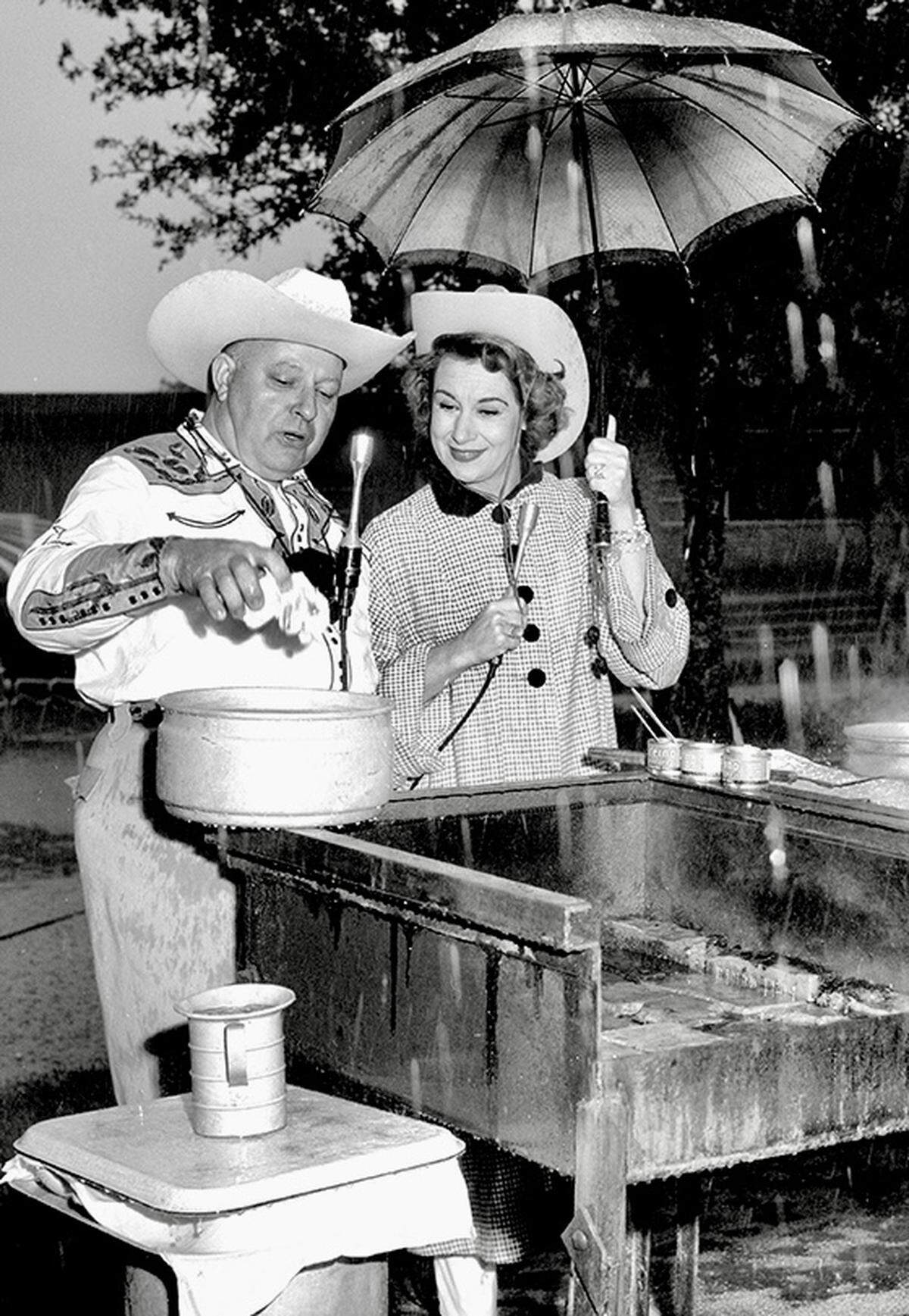
Even Walter Jetton, the pioneer Fort Worth pitmaster who put barbecue in the national spotlight in the 1960s as the White House pitmaster for President Lyndon Johnson, would be surprised.
Three Fort Worth-area restaurants were also singled out for national barbecue fame.
One is only a mile from the Seventh Avenue corner where Jetton, known nationally as the “King of Barbecue,” first started dishing up brisket.
Panther City BBQ, 201 E. Hattie St., was ranked “Michelin Recommended” in the state guidebook. It was praised for its “expertly smoked” brisket and “attention-grabbing” sides.
That trailed the Fort Worth area’s top-rated restaurant.
Goldee’s BBQ near Kennedale was awarded a “Michelin Bib Gourmand” award and described as “absolutely worth the hours-long wait.”
Smoke’N Ash in Arlington was also ranked “Recommended.” It mixes classic Texas barbecue with Ethiopian dishes featuring pulled lamb or lentil stews.
“The level of BBQ representation was unexpected for just about everyone I talked to,” Texas Monthly barbecue editor Daniel Vaughn wrote on X.com.
That’s the magazine that kicked Texas barbecue into high gear. Its top-50 rating of Texas barbecue joints began in 1997.
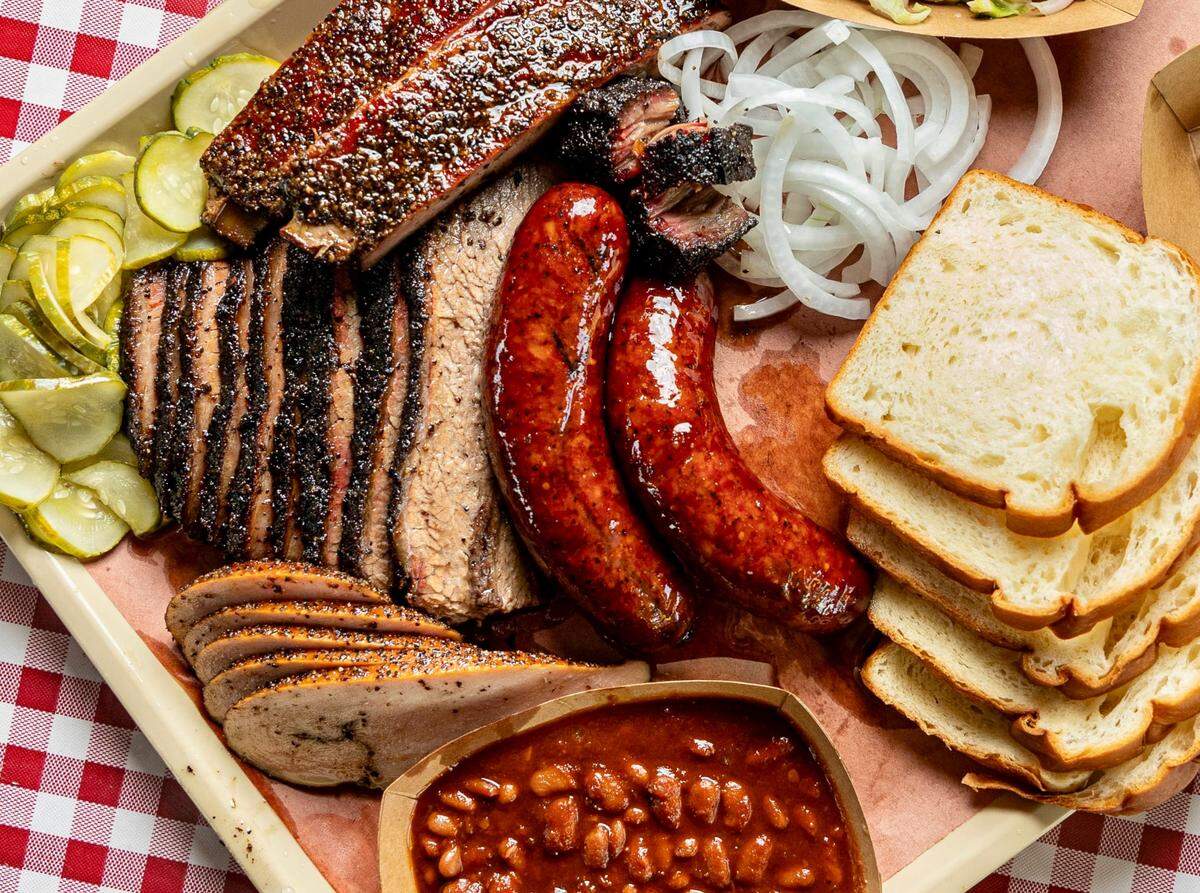
Michelin awarded one Star to CorkScrew BBQ in Spring and to Austin’s InterStellar BBQ, Leroy and Lewis Barbecue and la Barbecue, the latter run by Ali Clem of Fort Worth.
“I was hoping for at least one BBQ joint to get a star,” Vaughn wrote, “but didn’t think Michelin would give a quarter of their stars to BBQ.”
He doesn’t see any difference between the Star winners and other restaurants such as Goldee’s, he wrote. Panther City BBQ deserves a higher rating than “recommended,” he added.
“Maybe Michelin learned just how great the top BBQ joints are here, but had to find some cutoff as to not overwhelm the list w/ BBQ.”
Only one non-barbecue Fort Worth restaurant made the list.
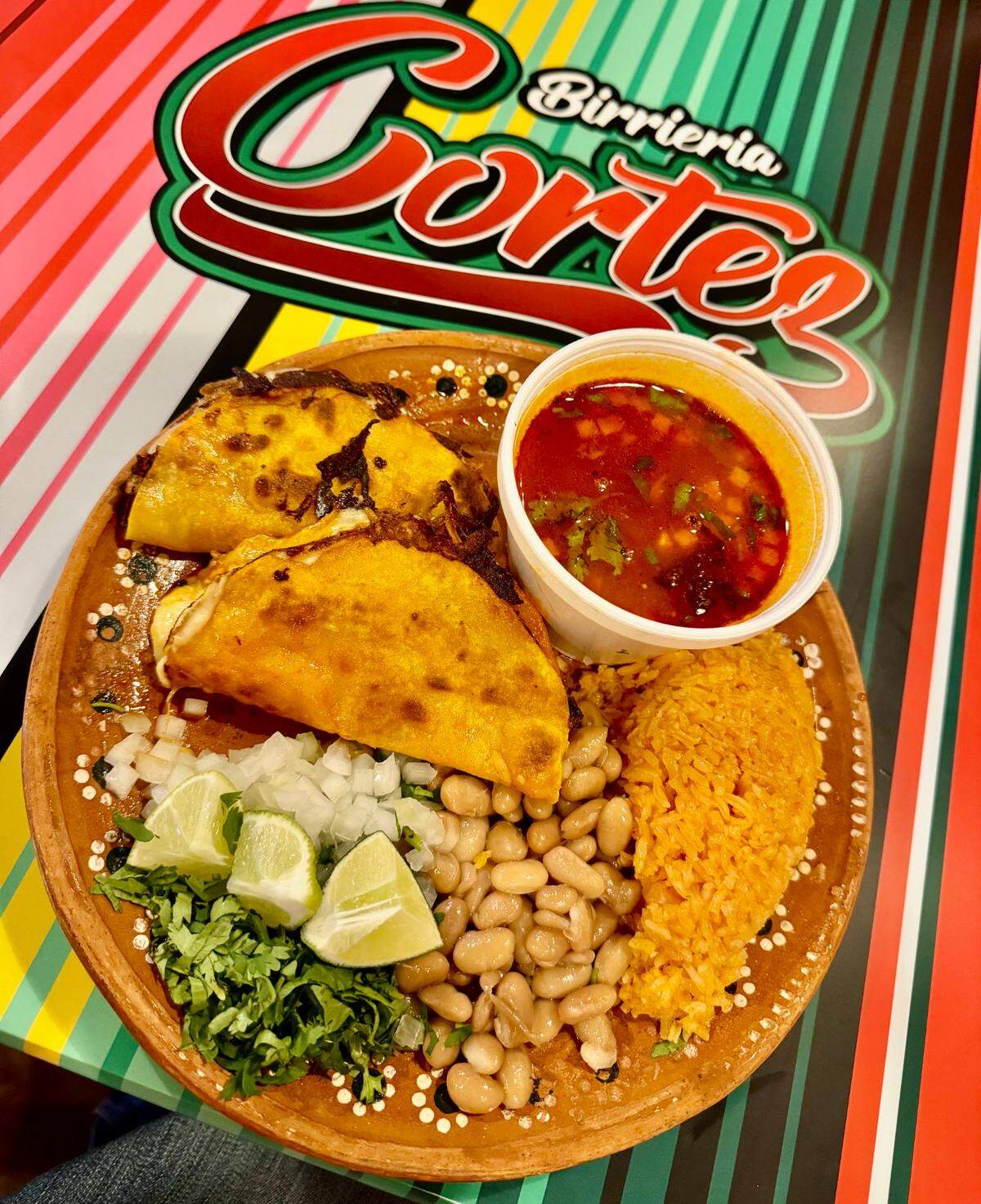
Birreria y Taqueria Cortez is built entirely around serving “wonderfully tender and flavorful” birria in the form of tacos, sliders or pizzas.
That’s it for Michelin’s Texas travel guidebook.
No Fort Worth fine dining. No Joe T. Garcia’s. No Kincaid’s Hamburgers. No Carshon’s Deli. None of the very good restaurants found on OpenTable.com, Resy.com or Tock.com.
But I’m not sure what anyone expected.
Barbecue has become Texas’ signature food and draws tourists worldwide to Austin. Obviously, Michelin wanted to serve those readers and sell guides.
Houston and Austin swept most of the top honors. That’s only half surprising.
Houston is a foodie town and an international port city with all kinds of great cultural influences. It’s a city where you can listen to a strolling mariachi band in a Viet-Cajun sushi bar and then have kolaches next door for dessert.
Austin is a new foodie town, but it has drawn talent from across America.
North Texas is more Western and Plains. We have a proud foodie culture here, but not a large following. Houston has always celebrated chefs and restaurants.
Tatsu, a Dallas sushi omakase restaurant, is North Texas’ only Michelin Star restaurant. It serves $185 dinners to only 10 diners at a time.
Fort Worth doesn’t have that yet.
Yet.
This story was originally published November 13, 2024 at 5:30 AM.