
Critical tasks for the first half of June
There are many of us who aren’t getting out as much as we used to, at least not for now. We have a tendency to forget what day it is – maybe even what part of the month it is!
Well, just so you’ll know, we’re heading into June, and that means there’s a new list of really important things to get done in the landscape and garden. These are things that, if not done now, will change the course of the rest of your gardening year. Please take a look.
- Make your second application of pre-emergent weed killer granules. This would be Dimension, WeedEX with Halts or Balan, and your reason for applying them would be to stop germination of crabgrass and grassburs. Your first treatment should have been made in the first two weeks of March. If you did not make that application, there is no need to treat now, 90 days later – you already have a full year’s worth of the weeds and you’ll just have to endure them until 2021. There is no post-emergent control measure.
- Plant new seeds, sod or grass plugs. This is singly the very best time of the entire calendar year to get new grass started. It hasn’t turned beastly hot yet, yet the ground is warm and the turfgrass will quickly develop deep roots.
- Fertilize established turf. Apply a high-quality lawn food that has no phosphorus and upwards of half of its nitrogen in slow release form. Local independent nurseries, hardware stores and feed stores will have what you need and will be able to explain application rates. It’s important that you not fertilize St. Augustine once it turns really hot. The fungal disease gray leaf spot is exacerbated by nitrogen fertilizer in hot weather. You want to fertilize by the middle of June and then not again until early September.
- Tune-up your sprinklers. If you have an automatic sprinkler system, put it through its paces to be sure that all stations are operating properly. Look for heads that are damaged or misaligned. Be sure that they are not blocked by this spring’s new growth. Many repairs can be done by home gardeners, but if you need to call an irrigation contractor, it’s best to do so now before they get backlogged.
- Prune erratic growth from your shrubs. This may be a task you can do with hand shears. Whenever possible, try to avoid pruning into formal square or round shapes. It’s always better to let the plants assume their natural growth forms.
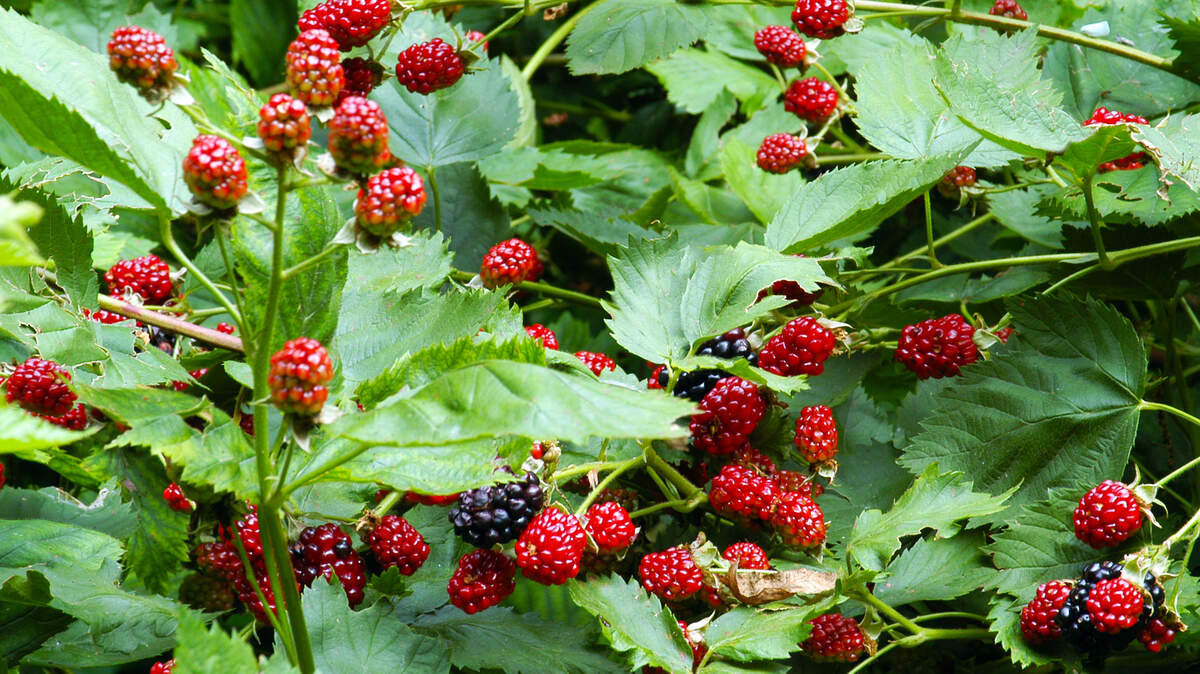
- Prune blackberries. As you harvest blackberries, canes that have just borne fruit should be pruned completely to the ground. They will never bear fruit again. At the same time, you may want to take the growing tips out of the new canes that are being produced this spring. That will encourage them to produce side shoots and to stay more compact.
- Protect crape myrtles. Some North Texas crape myrtles have been bothered by bark scale insects in the past 10 years. These are white, almost immobile pests that attach themselves to the stems and twigs of the plants. They exude a sticky honeydew residue that becomes the substrate in which black sooty mold develops. Neither the scale nor the sooty mold presents any real harm to the plants, but they make the plants very unattractive. If you apply the systemic insecticide Imidacloprid as a soil drench now you should be able to prevent the insects entirely. That same insecticide will also prevent crape myrtle aphids.
- Leafrollers abound. You can also apply Imidacloprid to prevent leaf-rolling insects from attacking various other ornamental landscape plants. That list includes trailing vinca groundcover, redbuds, sweetgums, cotoneasters, pyracanthas, and others.
- Protect against lacebugs. Imidacloprid will also prevent attacks of lace bugs that turn leaves of many of our landscape plants a pale tan color. The list includes sycamores, azaleas, Boston ivy, pyracantha, cotoneasters, bur oak, Chinquapin oak and various elms. Allow the insecticide 2 to 3 weeks to be taken into the root system and conducted through the trunks and up to the leaves so the Imidacloprid can do its job.
- Bagworms are starting. If you have cone-bearing evergreens such as junipers, arborvitae or cypress, be on full alert for bagworms now. This is prime time for them. The larvae will be pulling small bags that they have constructed from the needles along with them as they feed. Most general-purpose insecticides will control them, but it’s imperative that you spray before the damage becomes severe and before they attach the bags to the twigs.
- Tomato early blight. Watch for early blight on your tomatoes. First evidence will be lower leaves turning bright yellow. The disease will work its way up the stems until the stems are bare. There are several good fungicides labeled for its control. Talk to the experts at your nursery, hardware store or feedstore.
- Buy and plant your crape myrtles now. Nurseries are beginning to have the best supplies of the year, and you want to buy them while they are in full bloom to be sure that you get the exact color that you want. Do yourself a favor later by checking each plant’s mature height on the nursery label. Choose varieties that grow to the size appropriate for the space you have. Remember that you never want to top a crape myrtle for any purported reason.
You can hear Neil Sperry on KLIF 570AM on Saturday afternoons 1-3 pm and on WBAP 820AM Sunday mornings 8-10 am. Join him at www.neilsperry.com and follow him on Facebook.