
Are you a fan of bottle trees? Here are a few ideas and tips for your garden
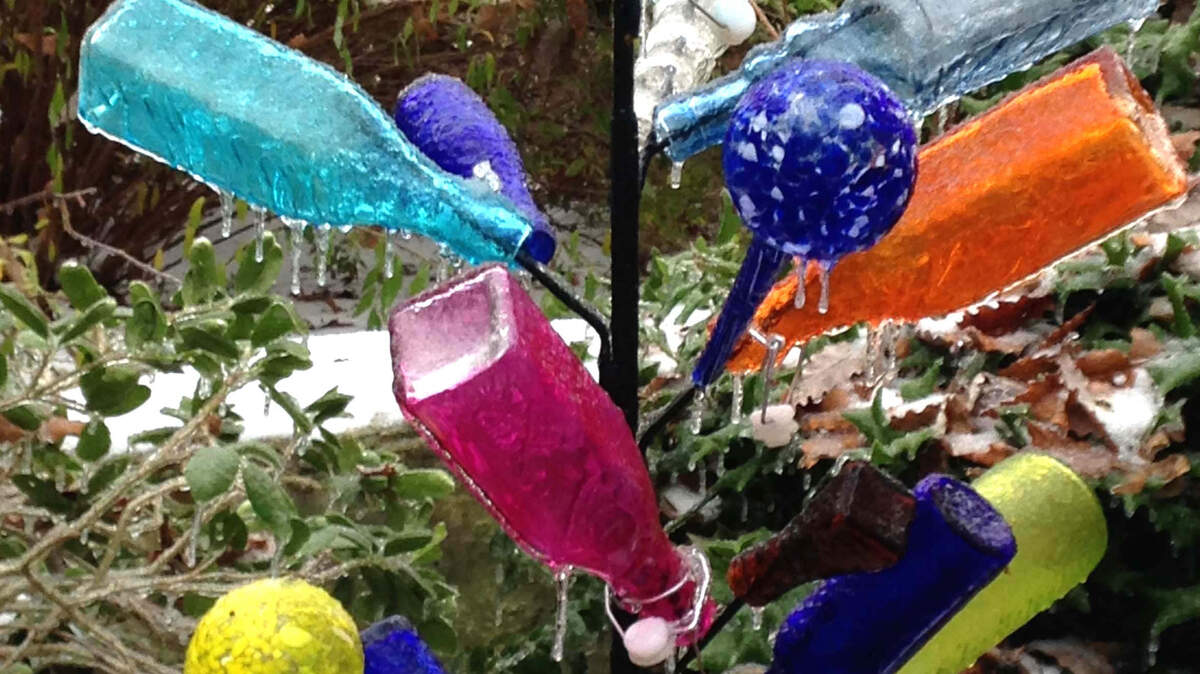
Bottle trees are southern traditions. Perhaps not to the level of cookouts and football, but they’re well known in older neighborhoods and fine new landscapes as well.
Your grandmomma’s grandmomma knew them quite well if she was from around here.
But I have to tell you that anytime I mention bottle trees I bring out all manners of emotions. Folks either love ‘em or loath ‘em. Few are lukewarm to them.
Personally, I find them to be fun pieces of garden art that bring out the whimsey and stimulate the conversation when friends stop by for a visit. You can tell them the old southern legends of how bottle trees capture evil spirits in their upside-down bottles. The spirits can’t figure their ways out of the bottles, so that’s where they die. And everybody wants evil spirits to die, so the bottle trees are performing great functions. And you’ll see your friends backing slowly away from you as they turn toward their cars.
So when I planted my first bottle tree out in our yard and took my first photos of it, I proudly posted my photo on my Facebook page. I sat back waiting for praises to pile up as people realized the good deed I’d performed in ridding our land of those bad spirits.
Well. Apparently lots of the people who follow me on Facebook are fans of bad spirits, because they didn’t think my bottle tree was all that great. One lady in Fort Worth who is always straight forward with her comments pretty well summed it all up for the rest of them: “I just don’t get it.”
Nor does my wife. She’s a great lady and a wonderful mom and grandma, but when it comes to gazing balls scaring off bad spirits and witches or bottle trees trapping them, she just doesn’t buy into it.
Perhaps if I took a different approach.
Bottle trees take the form of art in the garden. It’s primitive art that common people like you and I can achieve. It’s a way of displaying a fun collection of colorful bottles, perhaps even antique ones.
Bottle trees grow beautifully in shaded areas. That means that they’re great sources of color where flowering plants normally won’t thrive. That’s where I started. I decided to add zip to one of our darkest spots. I liked the results, so I planted a second tree in another dark area. We have several acres of woodland, and so soon I had two or three more trees. And the fun thing is that these trees transplant easily, so that you can move them about in your gardens. When you tire of them in one spot you can replant them elsewhere.
Some trees have one single trunk. Others come up with one trunk and then send out spreading branches. And some of my favorites actually hang suspended from tree branches. They give an entirely new look to their surroundings.
The better bottle trees are welded out of concrete rebar. A local welder could make one for you, but you can also buy nice ones online (and occasionally locally). If you need bottles, the online sources sell a variety of bottle types, but you can also check through local antique malls for smaller types of old bottles (usually very affordable), or ask at your favorite local restaurant’s bar if you could have some of their discarded bottles at the end of a weekend. Some of them are very lovely, although labels of some are permanently embossed into the glass.
I gathered wine bottles from the Communion at the funeral of a favorite pastor of ours, and with his family’s permission, I made a bottle tree from those bottles as a special remembrance of what he meant to our family.
A couple of warnings about the bottles you collect to make your new tree: Don’t use painted bottles. Paint doesn’t hold up, and when it starts to peel it ruins the good looks of the tree. And know that you’ll have a difficult time finding true reds in glass bottles. Red as a pigment is more expensive to produce and less stable in glass. Most “red” bottles you’ll see being sold are really clear glass that’s been painted.
But other than that, bottle trees are all about fun. Don’t be afraid to try one, but don’t over-do them. Showcase them in just the right spots, and have the stories ready, because curious people will certainly ask.
You can hear Neil Sperry on KLIF 570AM on Saturday afternoons 1-3 pm and on WBAP 820AM Sunday mornings 8-10 am. Join him at www.neilsperry.com and follow him on Facebook.