
Stay alert and don’t fall for these questionable claims and products
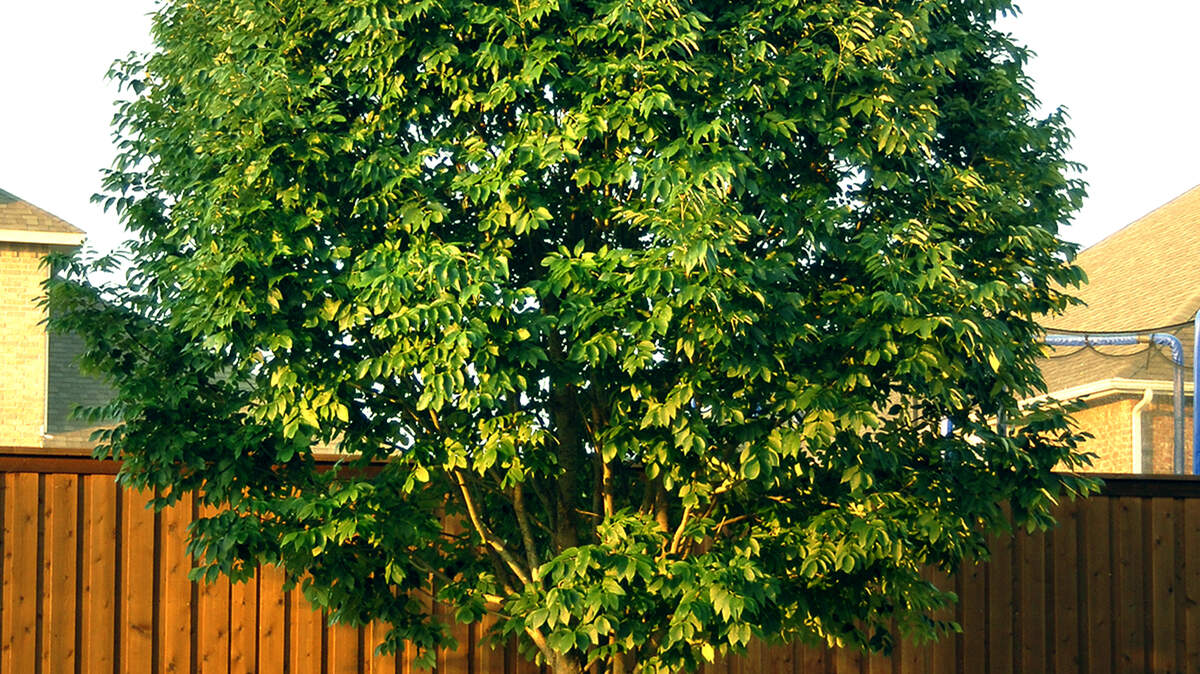
It’s gimmickry season again – the time that questionable products and claims come seeping out of the woodwork and into the lives of North Texas gardeners.
I’ll list a few that I’ve seen. Be on the lookout for these, among many others.
Miracle shade trees
The ads tout fast growth first and foremost, and that should be your prime warning. Remember that you saw it right here: Fast growth is not a good attribute with shade trees. It brings with it weak wood, susceptibility to a fairly long list of potentially fatal insect and disease problems and short life expectancies. You’ll be sadly disappointed by the trees in these over-the-top ads.
Perfect lawngrasses
The most common claim will be, “Grows in heavy shade where other grasses have failed.” Let me just say that St. Augustine is our most shade-tolerant turfgrass for North Texas lawns. If you’ve tried it and failed, then it’s probably time for a shade-tolerant groundcover. To be fair, tall fescue is equally tolerant of shade, but it does better in the Texas Panhandle than it does here in the Metroplex where night temperatures remain very high. It’s a cool-season grass that requires copious amounts of water in summer.
Or you may see ads for a grass that’s claimed to need mowing only a couple of times every year. That used to be said about zoysia. It was sold as plugs shipped by mail from the East Coast. Those ads aren’t as common any more, however. Zoysias have become much more mainstream in the Texas turf industry. Sod farms now produce better varieties that are sold as fresh sod. They are well suited to Texas conditions, but they are not more shade-tolerant than St. Augustine, and they’ll definitely need to be mowed more often than twice every year.
Hydroponic vegetables
I’ve had several people ask me recently about this soilless method of gardening. I’m not sure where they were hearing about it, but that wouldn’t have affected my response. Hydroponics is a precise science. You’re growing plants in a totally artificial environment without any soil around the plants’ roots. While it’s comparatively easy to figure how much nitrogen, phosphorus and potassium you need to add to a standard garden soil, it takes a soil scientist/plant physiologist to determine how much boron, manganese or other trace element you should be adding. The setups can be quite expensive. My vote is to stay with standard ground or container gardening in soil.
Unbelievable soil additives
Texas is swimming in these. Our state has no laws demanding that manufacturers prove their claims of soil improvement. Only if a product says it will add nutrients or kill insects or diseases must it show evidence backed up by bona fide research. These quack amendments can make any claim that they wish about improving tilth, stimulating microbes or providing better aeration. And so, every season brings a flood of new products. Be very wary before you invest!
Ultrasonic animal repellents
As much as we want these things to work, all the university reports that I’ve seen say that they’re essentially useless. Do your homework, and don’t put any faith in testimonials. Put the word “university” as the first word in your web searches and you’ll see what I mean.
Corn gluten meal pre-emergent
Touted as a way of preventing germination of crabgrass and grassburs, this has been found to be mostly unsuccessful in Texas. It is effective for only a short length of time and it’s expensive to apply. The weeds can germinate over a period of five or six months, so many applications would be required, even if it were effective. Again, you’ll have a hard time finding university support for this product except at the university where it was developed, Iowa State, where their conditions are completely different from what we face here in the Southwest.
Mosquito solutions
I’ve seen many. One is the plant touted to shoo mosquitoes away by its strong lemony scent. It’s basically one of many scented geraniums, but I’ve seen mosquitoes hovering all around it. Pretty plant, but essentially useless in my experience when it comes to warding off mosquitoes. I’ve also seen products that claim to trap mosquitoes. Question them and ask for validation, not just testimonials.
Homemade remedies
There are dozens of these over backyard fences and in gardening blogs, but you really need to question their efficacy and safety. They’ve not been put through the exhaustive research that conventional insecticides and fungicides have. They’re more a function of guesses and hunches.
There’s rarely an antidote listed should anything go wrong. All you find is the glowing claims of success.
Hear Neil Sperry on KLIF 570AM on Saturday 1-3 p.m. and on WBAP 820AM Sunday 8-10 a.m. Join him at www.neilsperry.com and follow him on Facebook.