
Avoid the spring gardening rush by performing these timely tasks during the winter
We typically don’t assign a lot of important gardening responsibilities to the middle of winter, but there are some important ones.
Here are things you can think of in your spare moments these next couple of weeks. You may have others.
Landscape designer
Work with a landscape designer now to avoid the spring rush. The past year’s activities are still fresh in your mind. You know what worked, and sadly, you know all too well what did not.
You know what plants struggled, and you know what improvements your family is hoping to make in your gardens. This is a great time to start making those plans more formal – to start getting them put down on paper.
Landscape architects are schooled and highly skilled professionals who will be able to pull all the concepts together. However, most landscape architects work for larger firms retained to do commercial landscapes.
Home landscapes more commonly fall to the skills of landscape contractors and nursery designers. That’s not a bad thing, because these people often have a great feeling for residential design and the plants that work well within them. Do your interviewing and research now, ahead of the rush season, and start developing your plans.
Transplant trees and shrubs
Woody plants should be moved while they’re dormant. For almost all, that means during the down days of winter when they’re not growing. So if you have plants you need to relocate because of pending construction, or if you have your eye on a special shrub or tree out in nature (and if you have permission to dig it), December, January and early February are your times to do so.
Dig the tree or shrub with a ball of soil intact around its roots. Transport it carefully. Reset it at the same depth at which it had been growing originally. Prune it to compensate for roots lost in the digging, then water it deeply to get all of the air out of its root zone. Water it regularly the rest of its first couple of years in its new home.
Make sure to prune trees and vines
Begin pruning peach and plum trees and grape vines in January. Your goal with the peaches and plums is to establish trees with vase shapes, ideally 9 or 10 feet tall and 16 feet wide.
To do that you start at the time of planting by cutting their trunks back to 22 to 24 inches. Allow three “scaffold” branches to develop at roughly 120 degrees apart around the trunk.
Each winter remove all strongly vertical shoots that are trying to develop. This “cereal-bowl” form allows the sun to reach ripening fruit, and it also makes harvesting much easier.
Grapes are pruned to train them along strong trellis supports. Good diagrams are available in reference books and online, but just remember that you’ll need to remove 80 to 85 percent of their cane growth each winter.
That will ensure good crops of fewer berries but of far better size and quality.
Prepare garden soil
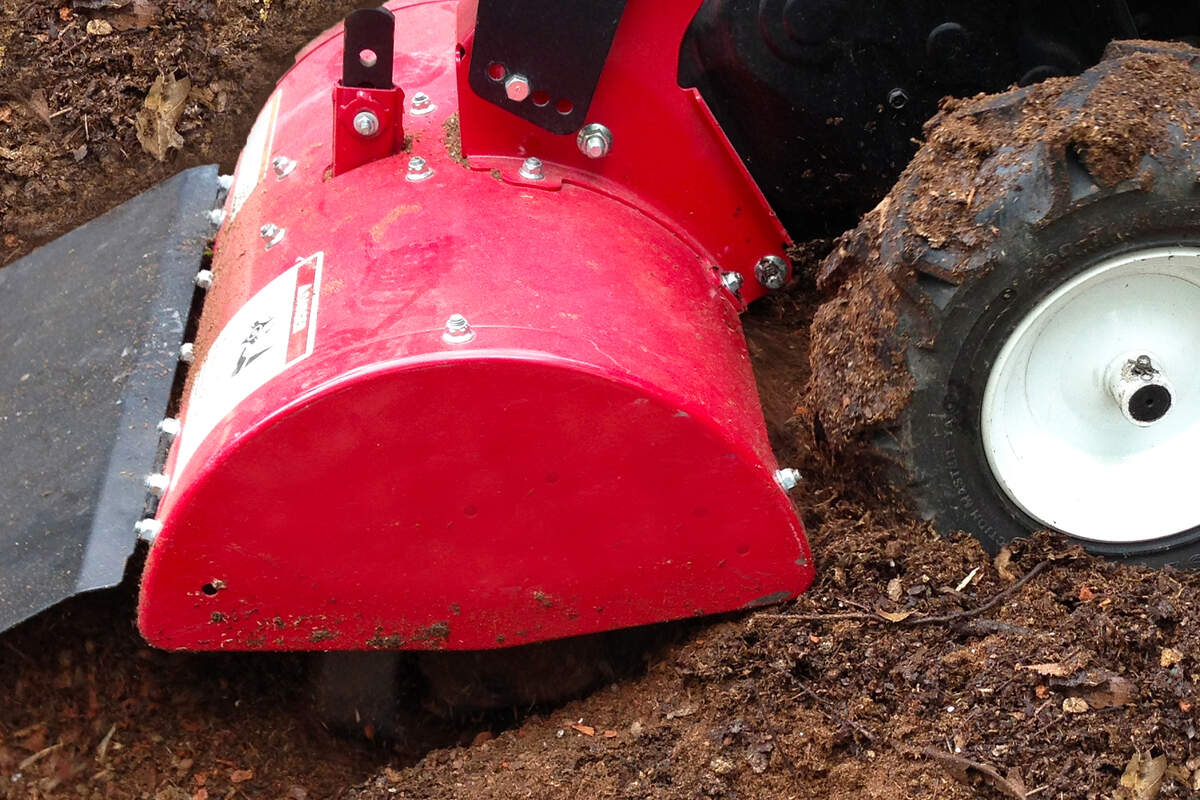
Prepare garden soil for early spring plantings. Rototilling now allows you to incorporate two or three inches of the freshly mown tree leaves that you have recently shredded and bagged.
Additionally, work in one inch of compost, a couple of inches of sphagnum peat moss, one inch of well-rotted manure and, if you’re working up clay soil for the first time, one inch of expanded shale soil conditioner.
Rototill all of that to a depth of 12 inches and allow it to lay fallow for several weeks. Rototill one more time just before you start planting your early spring vegetables.
Evergreens, shrubs and vines
Reshape evergreens and summer-flowering shrubs and vines. Those are the plants that are pruned in the winter.
Avoid formal shaping if you want a natural look to your landscape, and remember: don’t ever “top” a crape myrtle for any purported reason.
There is no excuse to do so.
It does not improve blooming. If you have a plant that is too large for its surroundings, either move or remove it.
Mulch for garden beds
Apply a fresh layer of mulch to garden beds. You’ll be amazed at how tidy it will make things look.
Mulches also reduce germination of weeds. They lessen splashing of mud onto the side of your house, and they slow or stop erosion. Of course, the thing most people think about first: mulches moderate the rates at which our soils freeze and thaw, and that’s much better for our plants.
There are many types of mulch. To my taste, finely ground pine bark mulch looks and works best.
Equipment
Take equipment in for repairs. If you have a mower, blower, tiller, chain saw or other power equipment that isn’t as dependable as it used to be, avoid the spring crush and get it in for repairs and a tune-up now so you’ll be ready to roll when spring arrives.
Have your soil tested now
It’s that same “avoid the spring rush” thing. Odds are that you’ll want to use the outstanding Texas A&M Soil Testing Laboratory to monitor the nutrient needs of the plants that you’re growing.
Pay attention, too, to the pH and salinity levels (soluble salts) of your soil to see if adjustments are in order. Don’t be surprised if your test results come back showing that you need to apply all-nitrogen plant foods, especially if you’re gardening in a clay topsoil.
Clays retain phosphorus because of its slow solubility, and it can accumulate to damaging levels.
Let the lab monitor such things every three or four years. Collection and mailing instructions are available at the website http://soiltesting.tamu.edu.
Cut and fit frost cloth so you’ll have it on hand should unexpectedly cold weather blow through. It will make a big difference in how well tender shrubs and perennials survive cold the rest of this winter. Tag the pieces and store them in labeled black plastic trash bags until you need them.
Hear Neil Sperry on KLIF 570AM on Saturday 1-3 p.m. and on WBAP 820AM Sunday 8-10 a.m. Join him at www.neilsperry.com and follow him on Facebook.