
Tomatoes, trees and pests: Your North Texas summertime questions answered
Summer has come a little later this year. But the truck just arrived with a big box of hot-weather questions. Moving to the Metroplex in September 1970, I’ve been around this block 54 times, so I can predict what’s in our stack of inquiries. I’m familiar with what crosses gardeners’ minds this time of the year. Here are the most common questions.
Why are my trees’ leaves yellowing and starting to drop?
This hasn’t come up just yet, but it’s only a matter of days. As the rains shut off and the temperatures rise, plants will begin to realize that the great growing conditions of the past couple of months were just a tease. Realities are setting in and the plants won’t be able to keep up with demands of all that lush foliage they produced over the spring. They’ll start dropping their older, internal leaves as a water conservation technique. The larger the leaves, the sooner they’ll fall. Watch for it on fruitless mulberries, catalpas, cottonwoods, silver maples, sycamores and others. The associated leaf drop is completely normal. Keep them watered properly and move on to other problems.
Why are the lower leaves of my tomatoes turning yellow?
Probably spider mites. They’re nearly microscopic pests that suck the fluids and the color right out of the leaves. They start at the bottoms of the plants, and they work their way upward. They impact tomatoes, marigolds, beans, squash, and a variety of other landscape and garden plants. Thump leaves from a suspected outbreak over a sheet of white paper. If tiny red specks start to move about, those are the mites. Spray both top and bottom leaf surfaces at first evidence with a general-purpose insecticide labeled for control of mites. Check again in 10 days to see if a second spraying will be needed.
%20assault%20a%20tomato%20planting.jpg "6.16.25 Spider mites (with some early blight mixed in) assault a tomato planting.jpg")
While we’re talking about tomatoes, why do the bottoms of my tomatoes have sunken brown areas?
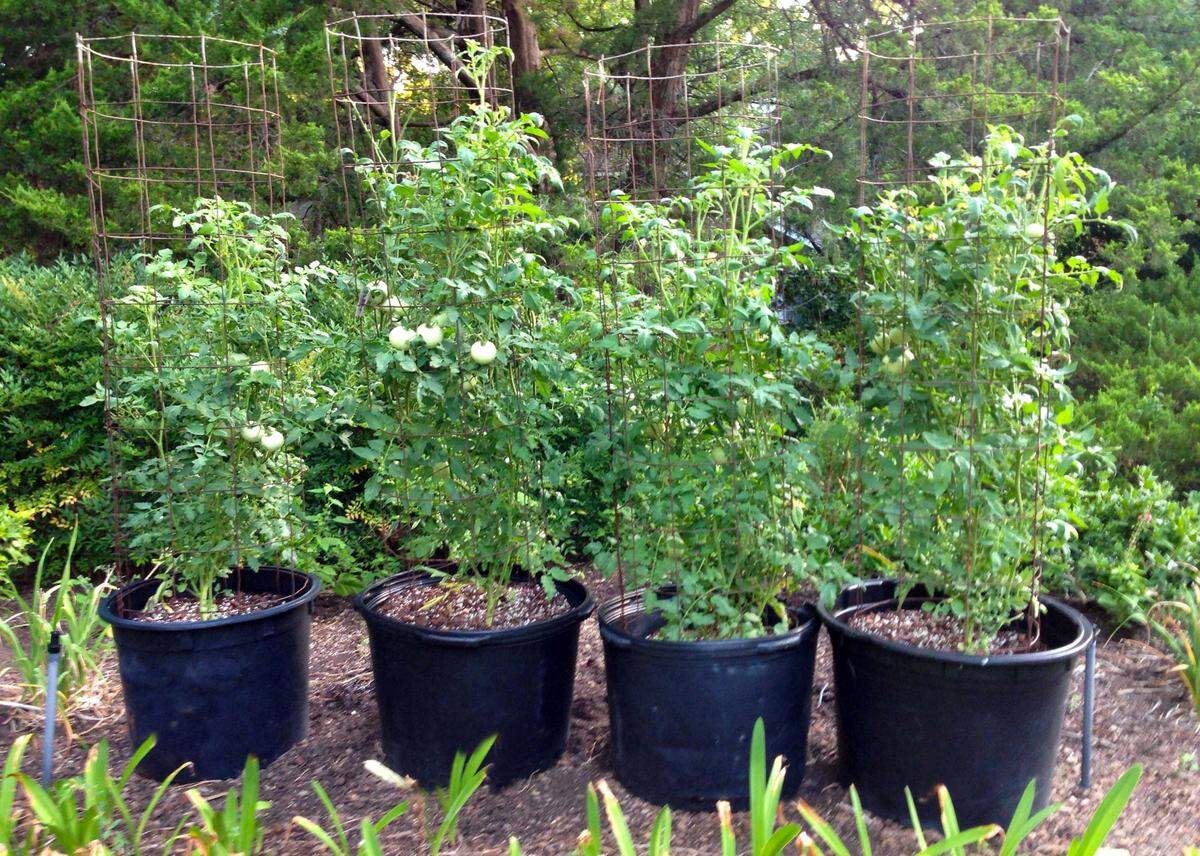
That’s a physiological issue (as opposed to a disease) known as blossom-end rot. The bottoms of the fruits are the places farthest from the roots, so that’s where the fruits will dry out first and get water last. When that happens to leaves, the tips and edges of the leaves turn brown. When it happens to tomatoes, peppers, and other vegetables, the tip ends of the fruits dry out and become sunken. The solution is to water more heavily and sometimes to water more frequently. This is most commonly a problem with plants growing in containers where there is little soil reservoir to hold moisture.
My St. Augustine lawn is starting to look pale green, even yellow in areas. What causes that?
Very likely gray leaf spot. It’s a fungal leaf disease that shows up when temperatures climb, most notably in parts of the lawn that are growing vigorously and where high-nitrogen fertilizers have recently been applied. If you see diamond-shaped gray lesions on the blades, discontinue all feeding until September and apply Azoxystrobin fungicide.
Why are the seedheads on my bermudagrass turning black? It comes off on my sneakers whenever I work in the yard.
This is bermudagrass smut, a disease that attacks specifically the seed heads in bermuda turf. It shows up in June and early July as the lawn goes into flower, and it can be so serious that visitors’ shoes become stained from the spores. Mow frequently to remove the seedheads, and apply an all-nitrogen food that will promote the grass getting back to vegetative growth (at the expense of reproductive seedheads). The good news, if you need some, is that the fungus does nothing to hurt the bermuda turf.
What can I use to stop chiggers? They’re chewing me up.
There are several good insecticides that can be spraying across the lawn, groundcovers, low shrubs, tree trunks, patio surfaces, walls of your home, and all other areas that might harbor chiggers. That’s one way. The easier way, I feel, and the one that’s also more environmentally responsible, is simply to apply DEET insect repellent to your legs, arms, pants, socks, and shoes. It does a great job, plus it will also protect you from mosquitoes and the nasty illnesses they carry. While you’re at it on the mosquito front, check for all places that might catch and trap water. It only takes a few ounces to provide them enough to raise quite a family.
If I want to try a fall garden this year, when should I start?
Sooner than most people think. For example, if tomatoes are high on your list, seed needs to be sown in pots now. Cuttings of the best of the spring varieties need to be taken now. In both cases, stick with small and mid-sized varieties. They set fruit better in both late spring and late fall conditions, so types like Big Boy and Beefsteak are not recommended for Texas. Best here are (increasing size) Red Cherry, Yellow Pear, Super Sweet 100, Porter, Roma, Super Fantastic, Celebrity, and Better Boy. Nurseries may or may not offer them at the proper planting time (early July), so wise gardeners grow their own transplants.
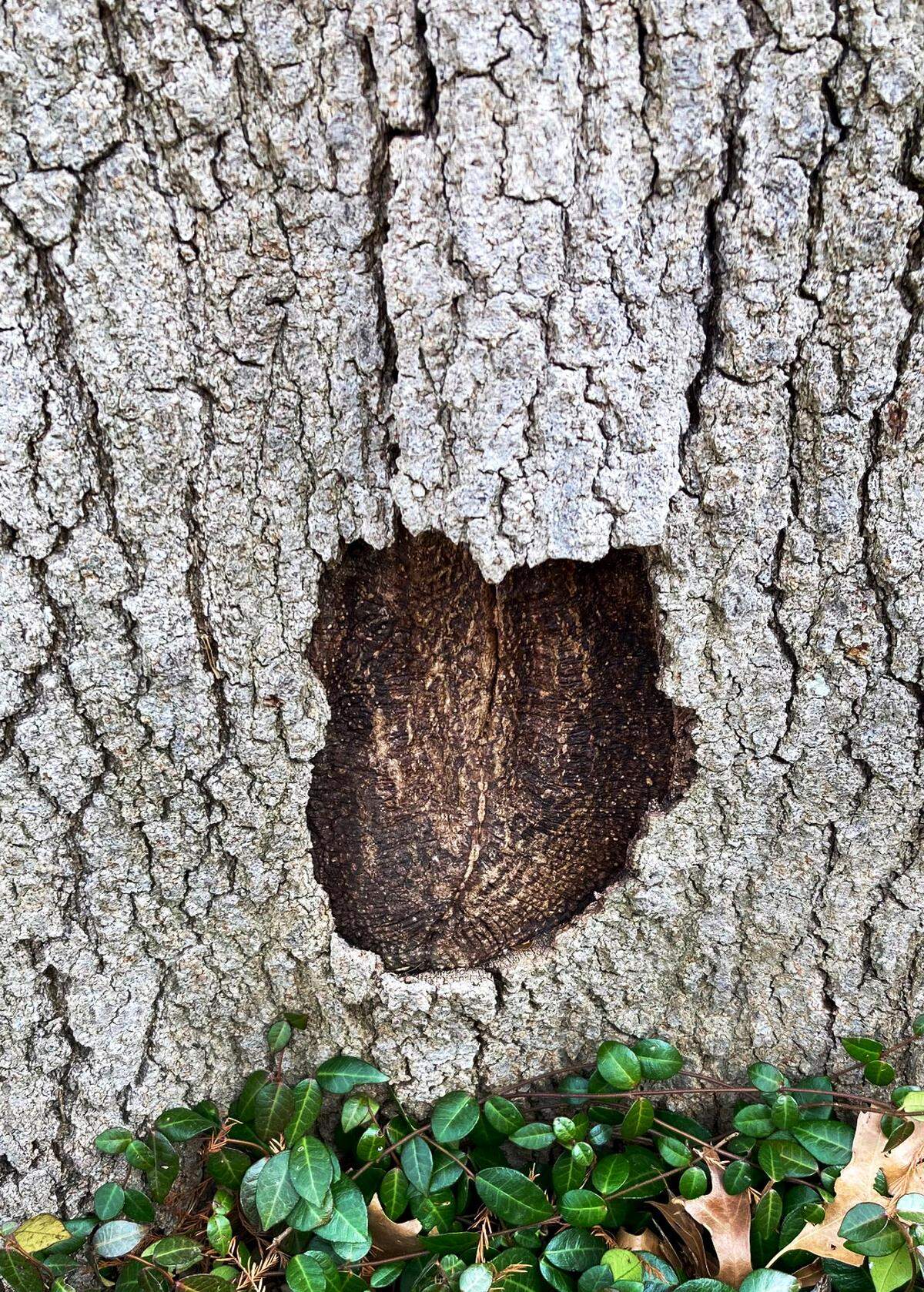
My live oak is losing big chunks of bark, and another limb looks like it’s dying. What is going wrong?
It seems improbable that home gardeners would still be asking about this problem, but it hasn’t abated one bit. This is more of the same radial shake, most of it having been brought on by the extreme cold of February 2021 and cold spells of subsequent winters. If you feel your oak is declining in vigor, you’d be well advised to reach out to a certified arborist for assistance. This one calls for a real pro. Each tree will be reacting differently — no blanket overall solution.
This story was originally published June 20, 2025 at 6:00 AM.