
Try these plants to draw attention to special places around your North Texas home
I decided, about 20 backaches ago, that I needed to scale back my expectations of massive beds of color washing the front of our landscape. Those just weren’t going to be practical if I were going to continue to walk erect on this earth much longer.
I remembered that sweet lady in North Dallas who explained why she had gone to so much trouble growing color on her front porch — a dozen large pots all brimming with blooms. “I’m losing my eyesight,” she said. “I love gardening, so I grow my flowers up close so I can see them and care for them when I go out to get my mail.” Her landscape was the showiest one on the block.
In that light, I’ve brought with me some of my favorite plants for little spots of accents. These are the ones I’d use to draw attention to special places around my home. Mind you, we have almost total shade, so most of these are going to want that kind of lighting.
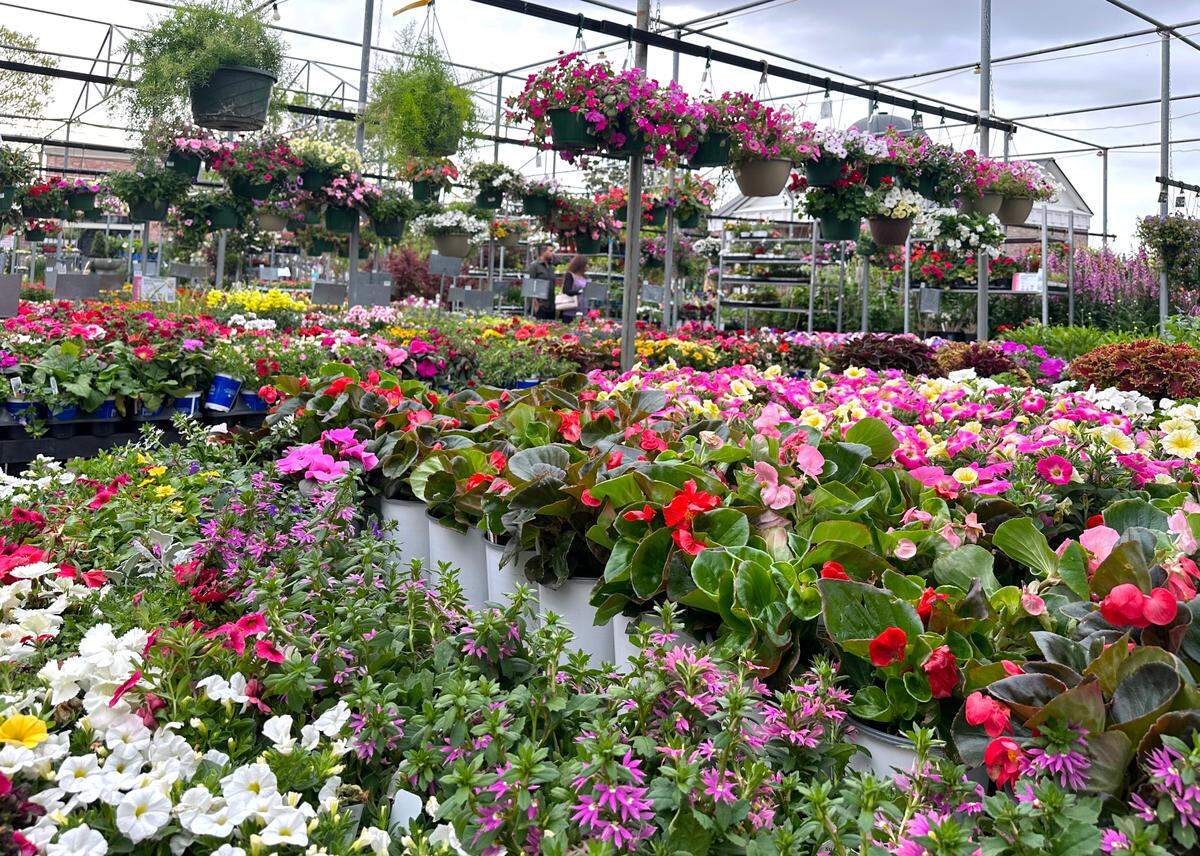
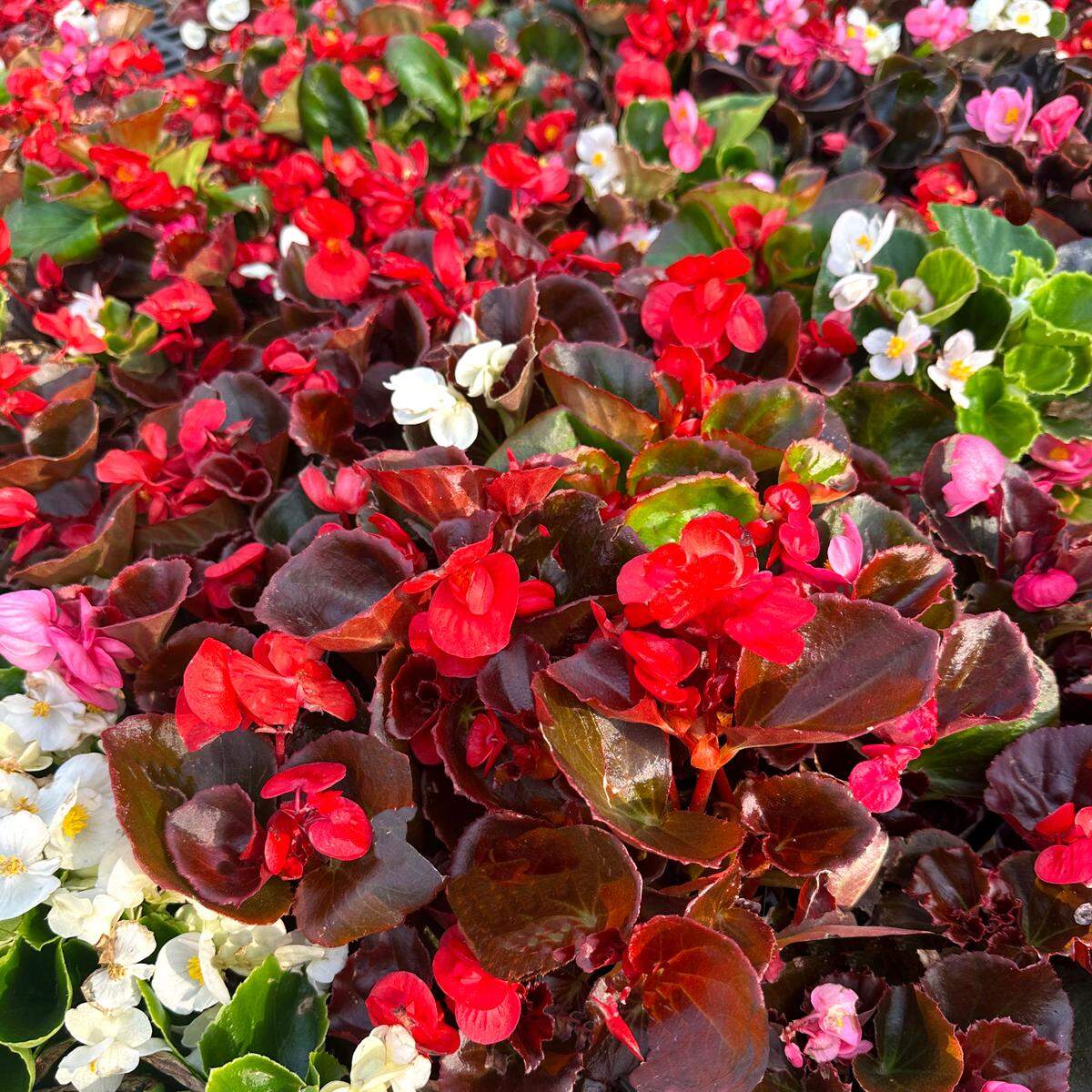
▪ Wax begonias. I grow these in beds, and I plant them in pots and hanging baskets. I can’t get enough of them. They’re gorgeous from now until fall. Green-leafed types need full shade. Bronze-leafed types can take a little more sun. Their flowers are red, pink, and white.
▪ Bougainvilleas. Most folks who do great with these have them in a good bit of sun. They feed them with water-soluble, high-nitrogen fertilizer every 10-14 days. They’re careful not to let them dry out. Use them in pots or baskets. They must be protected from frosts and freezes.
▪ Gerbera daisies. No flower is more cheerful. Plant them in small pockets of mixed colors in a cool, moist corner of a perennial garden. They prefer spring and fall temperatures. Watch out for white flies and you’ll be rewarded.
▪ Peace lilies. These are definitely container plants (not for beds). As such, you can bring them back indoors each winter and grow them on for many years. I have 15 or more that I’ve been growing for at least 20 years. They produce beautiful green foliage that is topped with pure white Jack-in-the-pulpit blooms each summer. Spotlight plants for a shade garden just don’t get any better.
▪ Crossandra. I can picture this plant blooming from spring until fall. It needs to be in a pot on a tabletop. Keep it out of direct sunlight. Keep it fertilized every couple of weeks and prepare for a long blooming period. It grows to be volleyball-sized at the most. It produces rich orange blooms.
▪ Caladiums. You’ll find all manners of leaf sizes, shapes, and colors in this great group of plants. New types are coming into the market annually. The best selections are available in late winter and early spring, but don’t plant caladiums until May or June, once soils are much warmer. Larger tubers yield larger leaves.
▪ Coleus. OK. We’re talking my life-long favorites for foliage. Hybridizers have brought many new types into the marketplace annually. Watch for them over the next several weeks, and fill empty spots with them. Pinch out growing tips to keep them compact, especially those that begin to form flower spikes as they elongate. Flowers stop further growth of coleus stems.
▪ Pink polka dot plant. Once again, the plant breeders have really been busy. This little plant is used most commonly as a “spiller” plant in large patio planters, but there’s no reason that it can’t be used on its own as a garden container annual. We now have access to various shades of pink, rose, red, and even white. These are fun little foliage plants.
▪ Leopard plant. Once you’ve seen this beauty, you’ll want one. It’s been around for decades. It produces robust spikes of yellow blooms in winter, so it’s really an eyecatcher then. The flower stalks are followed by lush new growth which, in some varieties, is highlighted by bright yellow spots. There are dwarf forms in the marketplace. They’re all listed under the species Farfugium japonicum.
▪ Succulents, specifically members of the Crassula family. Most of these are in the genus Echeveria, and there is an almost endless assortment of fabulous shapes, colors, and growth forms. These combine well with cacti into terra cotta pots. Be sure your potting soil is loose and gravelly.
▪ Airplane plant, also known as spider plant. Hanging baskets in general are great accent plants, but these are some of the showiest. Many gardeners have plants that have been in their families for decades. It’s a great legacy to start this spring.
This story was originally published April 25, 2025 at 5:50 AM.