
The North Texas gardener’s list is starting to grow quickly. Here’s what to do now
Remember the old-fashioned bulletin board? Remember the door of the fridge plastered with sticky notes? As the game of springtime kicks off in Texas, a gardener’s list grows long very quickly. Here are the odds and ends I’ve put together for this week.
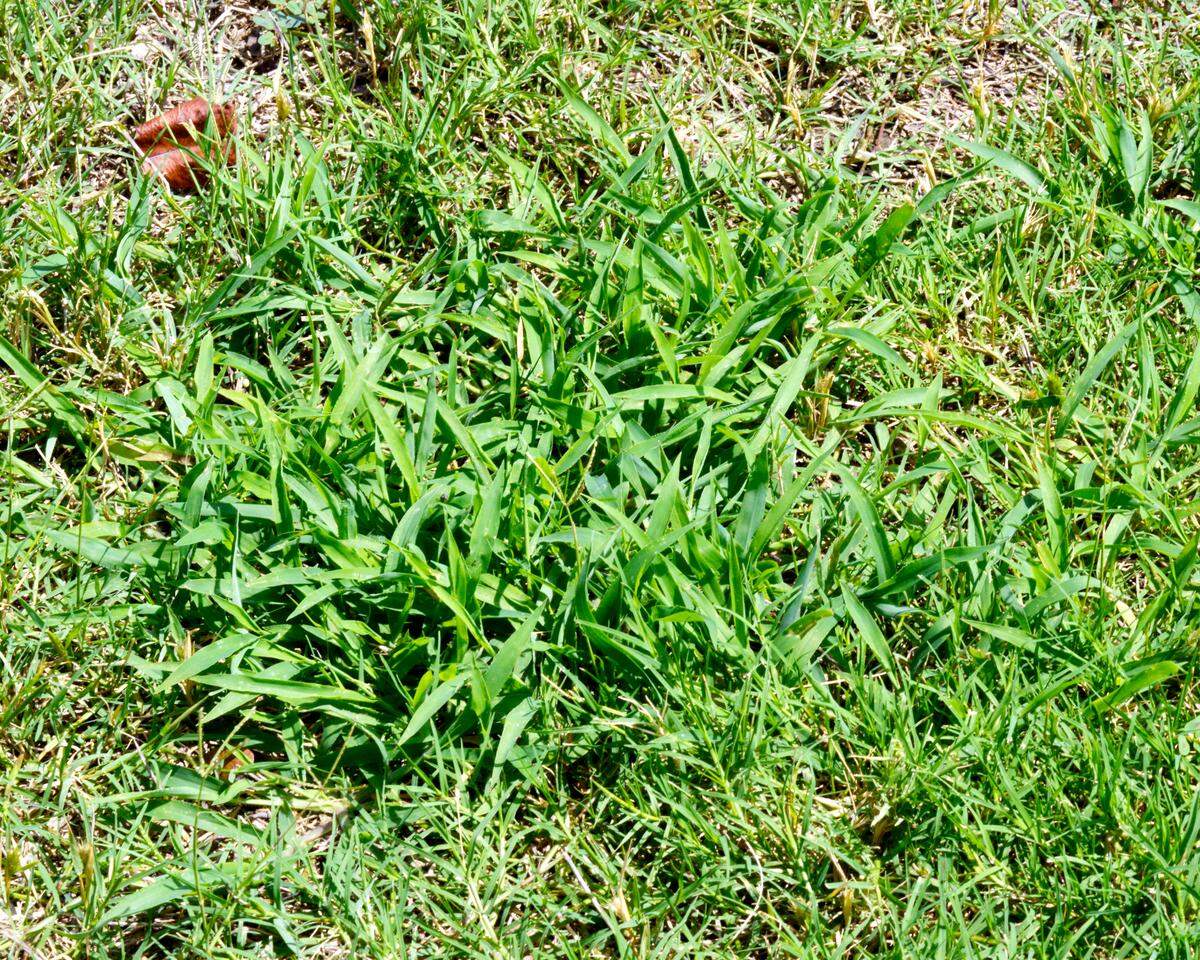
▪ It’s almost time for spring application of pre-emergent herbicides to prevent germination of crabgrass and grassburs. That timing in Fort Worth and its suburbs is March 5-15 and the list of products would include Dimension, Halts, or Balan granules. They’re safe on any type of lawngrass, but they’re only effective if you apply them before the weed seeds start to sprout. And, because our growing season is so long here in Texas, a follow-up “booster-shot” application will need to be made 90 days later — June 5-15.
▪ Start your spray program for peaches and plums to protect them from plum curculios — the worms that devour the fruit. First spray comes when the trees are in bud, second when 75% of the petals have fallen. That spray should be made in late evening, just before dark, after the bees have stopped flying. Continue spraying on 10-day intervals until harvest.
▪ Pears, apples, and other rose-family plants that are subject to fire blight should be protected with a recommended spray while in full bloom. However, good fruit tree management is also critical in dealing with this damaging disease.
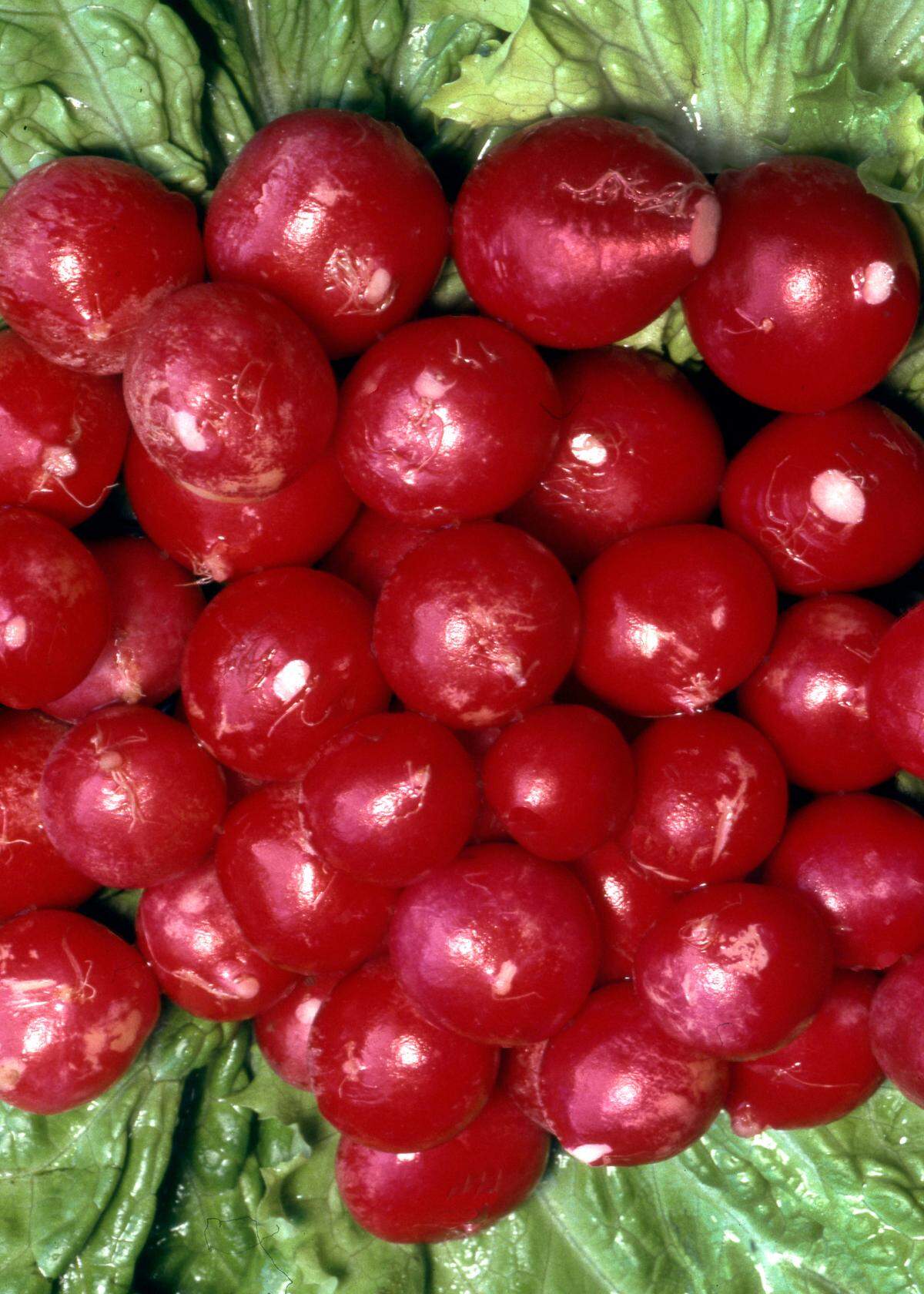
▪ Frost-tolerant vegetables including leafy and root crops. The recent cold weather put us behind schedule so don’t put these plantings off any longer. It’s time for cabbage, broccoli, cauliflower, and Brussels sprouts. Choose healthy, vigorous plants that are toughened up to outdoor conditions. Hurry to plant Irish potatoes from certified seed potatoes. Also, from seed, plant carrots, beets, turnips, radishes, spinach, lettuce and chard.
▪ Back to your lawn for a moment, if you have winter weeds there are a couple of things you can do to address them. For the non-grassy types called collectively “broadleafed” weeds (clover, dandelions, henbit, chickweed, plantain, and many other less common types), apply a “broadleafed weedkiller” spray containing 2,4-D. Most also contain two other active ingredients.
While you can certainly find these in convenient hose-end spray bottles, you’ll get excellent results with more precision, less herbicide used, and less chance of drift if you’ll use a tank sprayer with a nozzle set to deliver relatively fine droplets. Hose-end types tend to push out too much active ingredient over too wide a swath, possibly hitting plants and places where you don’t want to be applying them. It’s also a good idea to include one drop of liquid dishwashing detergent per gallon of mixed spray to help the spray adhere to glossy and funnel-shaped leaves.
Don’t mow for several days before or after you spray, but when you can see the herbicide doing its job, drop your mower down one or two notches and scalp the grass. That will remove most of the grassy weeds and the remains of the broadleafed weeds. It will also trim off all the winter-killed stubble so that sunlight can reach and warm the ground to get the grass growing more quickly.
Wait until late April or May to start planting new grass from seed or sod. If you have a real emergency and need bermudagrass sod, it could be planted now, but seed won’t germinate in our cold soils. As for St. Augustine, it’s better to wait a few weeks to plant. Be especially wary of re-planting St. Augustine where prior plantings have failed beneath trees. It must have upwards of six hours of direct sunlight per day to do well and there’s no point in spending more money or doing excessive pruning if the grass is likely to fail anyway. We’ll be talking more about that later in the spring.
Along that same line, wait to fertilize to your warm-season grasses (bermuda, St. Augustine or zoysia). Soils are still too cool for them to utilize the nutrients efficiently. Wait at least until late March in the Metroplex area.
To finish up with things that do need to be done now, if you have established trees or shrubs that you’re planning on moving to another part of your landscape, this is absolutely last call to get that job done. That bus is pulling out of the station. Once their buds break and new growth begins you’ve waited too long. For some types you’re already there.
To our friends at BRIT…
You’ve probably already read or heard that the Botanical Research Institute of Texas recently cataloged their 1,500,000th specimen (Rhododon ciliatus, Texas sandmint) into their system. They’re part of the Fort Worth Botanic Garden, and those pressed-plant specimens represent many decades of botanic collecting. I visited BRIT years ago while they were still in downtown Fort Worth, and they surprised me by showing me a specimen my dad had collected in Brewster County back in the 1930s or ‘40s while he was in the biology department at Sul Ross in Alpine.
My dad and my uncle both had their Ph.D.s in botany from the University of Nebraska. They ended up at Texas A&M, my dad Omer in range management and my uncle John in botany, so I grew up around herbaria like BRIT. Hats off to those folks for their great work!
This story was originally published February 28, 2025 at 5:50 AM.