
Don’t have room for a garden? Don’t worry, here are some plants you can still grow
Were you introduced to the concept of growing your own groceries during the pandemic? Have supply chain issues and increasing prices caused you to think about doing that again in spring 2022? It’s not a bad plan, and this is the time to be planting many of the crops your family likes most.
But space can be a limiting factor. Let me choose a few of the best crops for smaller-space gardens and let’s see if we can work up a plan for your place. It’s a great family project as well.
Avoid the space gobblers …
Let’s get these out of the way first. These are plants that need too much room to justify their existence in small urban gardens. Unless you have several hundred square feet for your garden plot, these are the ones to avoid.
• Sweet corn. You must have a large, square planting block to ensure full ears that are fully filled out. Corn is pollinated by wind, and unless you have a large block you won’t get good pollination.
• Watermelons, cantaloupes and other spreading melons. The plants cover too large an area. It’s cheaper just to buy fruit at the grocery.
• Okra. The plants are tall and large, and unless you are willing to commit a great deal of space to this one less-popular vegetable, it’s not a good investment.
Best plants for pots and small spaces …
Gardeners who have very little room — perhaps nothing more than a patio or balcony — will do well with these.
• Leaf lettuce. There are many types available from seed. (Forget buying transplants — that’s an expensive way to get a few leaves of lettuce.) Many types are very decorative and actually can be mixed into your flowerbeds. They’re also handsome in pots and they mature in 40 to 50 days.
• Cabbage. It doesn’t take much room to grow a few heads of cabbage, but you need to get started. Cabbage matures best while the weather is cool. Plant one of the hybrid varieties, and watch for pretty little white butterflies. They’re the adults of cabbage looper larvae that will devour the heads in just a couple of days. When you see the butterflies or when you see the first holes being chewed, dust the plants with Bacillus thuringiensis biological worm powder. Leave it in place for several days and it will kill the larvae without harming the heads for human consumption. You can easily wash it off later.
• Broccoli. Just as with cabbage, broccoli does very well in spring’s cool weather. Set out potted transplants and keep them growing actively by feeding and watering them regularly. Again, use the “B.t.” to prevent loopers from damaging them as well.
• Peppers. Whether you like bell peppers, sweet bananas, jalapenos or one of the many other types of colorful and productive edible peppers, these are easy and very decorative, whether in pots or in beds.
• Tomatoes. If you grow them in 4-foot wire cylinders tomatoes will be the family favorite vegetables. Stick with varieties that produce small to mid-sized fruit. The large-fruiting types stop setting when daytime temperatures climb over 90F, so their productive season is very short. You will be doing well to get more than four or five fruit off a Big Boy or Beefsteak tomato.
Stick instead with cherry, pear, Super Sweet 100, Roma, Early Girl, Better Boy, Fantastic and other varieties producing fruit that is tennis ball-sized or smaller. Give them full sun and ample space to grow to full size without crowding. If you grow tomatoes in pots they’ll need to be at least 7 gallons or larger.
Herbs would be great …
There are dozens of plants that fit into the group known as “herbs,” and out of that population many of them are refined little plants that would fit a compact urban space very well. In fact, they’re nice along paths and walks where you can brush into them and release their delightful aromas in the process.
• Mints. Everybody needs a few mint plants on hand for cooking and iced tea. But spearmint can be a bit unruly, so it’s nice to have it either planted in pots or hemmed in by concrete. It loves shade and moisture, so plant it beneath a water faucet. And try a few of the other, more exotic (and less invasive) types of mints, too.
• Basil. This is at the top of my list each spring. There are so many kinds and all of them bring something nice to the garden. Fresh basil is so much better than anything you buy in the store, and it’s a whole lot less expensive. You can’t have a garden without a few plants or pots of basil.
• Rosemary. I feel almost as strongly about rosemary. It’s great in recipes, and it’s sensational in breads. Taller types, for the most part, are more winter-hardy, but even they met their fates in February 2021 in North Central Texas. It’s easy enough to replant when needed, or you can grow it in pots.
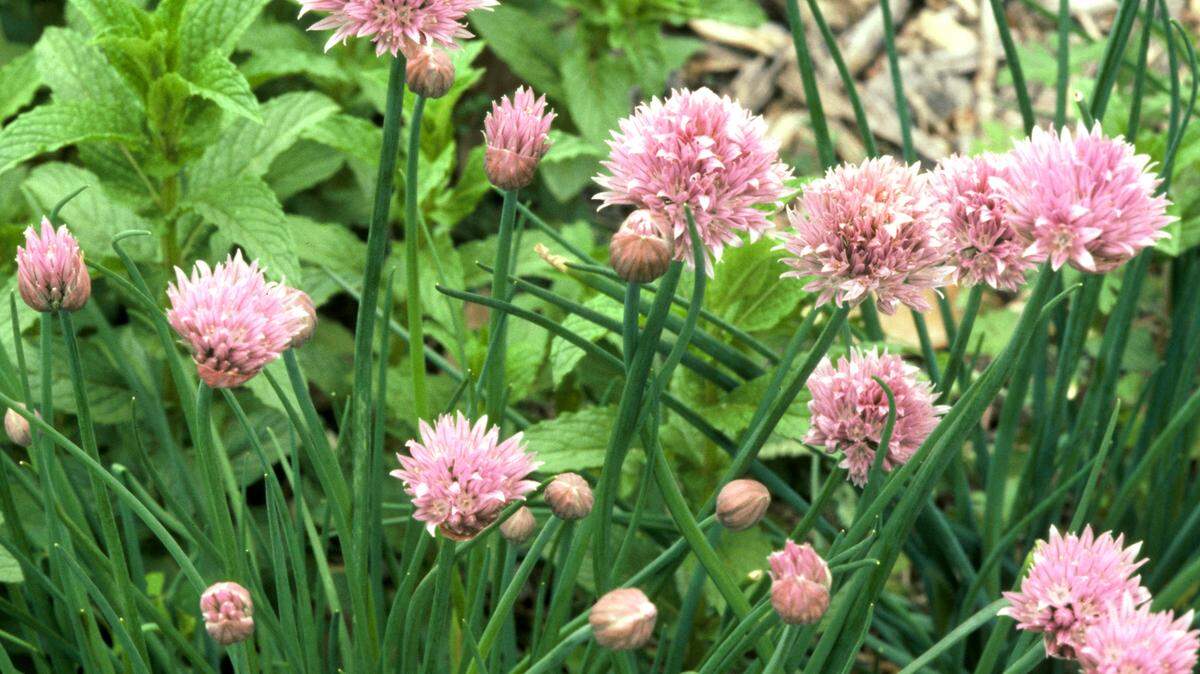
• Chives. These are handsome little members of the onion family. They make lovely bordering herbs with their grassy leaves and purple blooms. Dice their leaves and use them in salads, on potatoes and in dozens of other ways.
• Parsley. OK. I don’t eat it any more than most people, but I really enjoy looking at it as a bed border in my garden. It’s a biennial. It will grow larger and larger the first year. It will survive the winter, but then it will bolt into bloom the second spring, so don’t try to nurse it through the winter. Just consider it to be an annual and move on. Oh, and larvae of the beautiful black swallowtail butterfly feed on parsley leaves, so if you’re into butterfly gardening you have to have parsley.
You can hear Neil Sperry on KLIF 570AM on Saturday afternoons 1-3 p.m. and on WBAP 820AM Sunday mornings 8-10 a.m. Join him at www.neilsperry.com and follow him on Facebook.