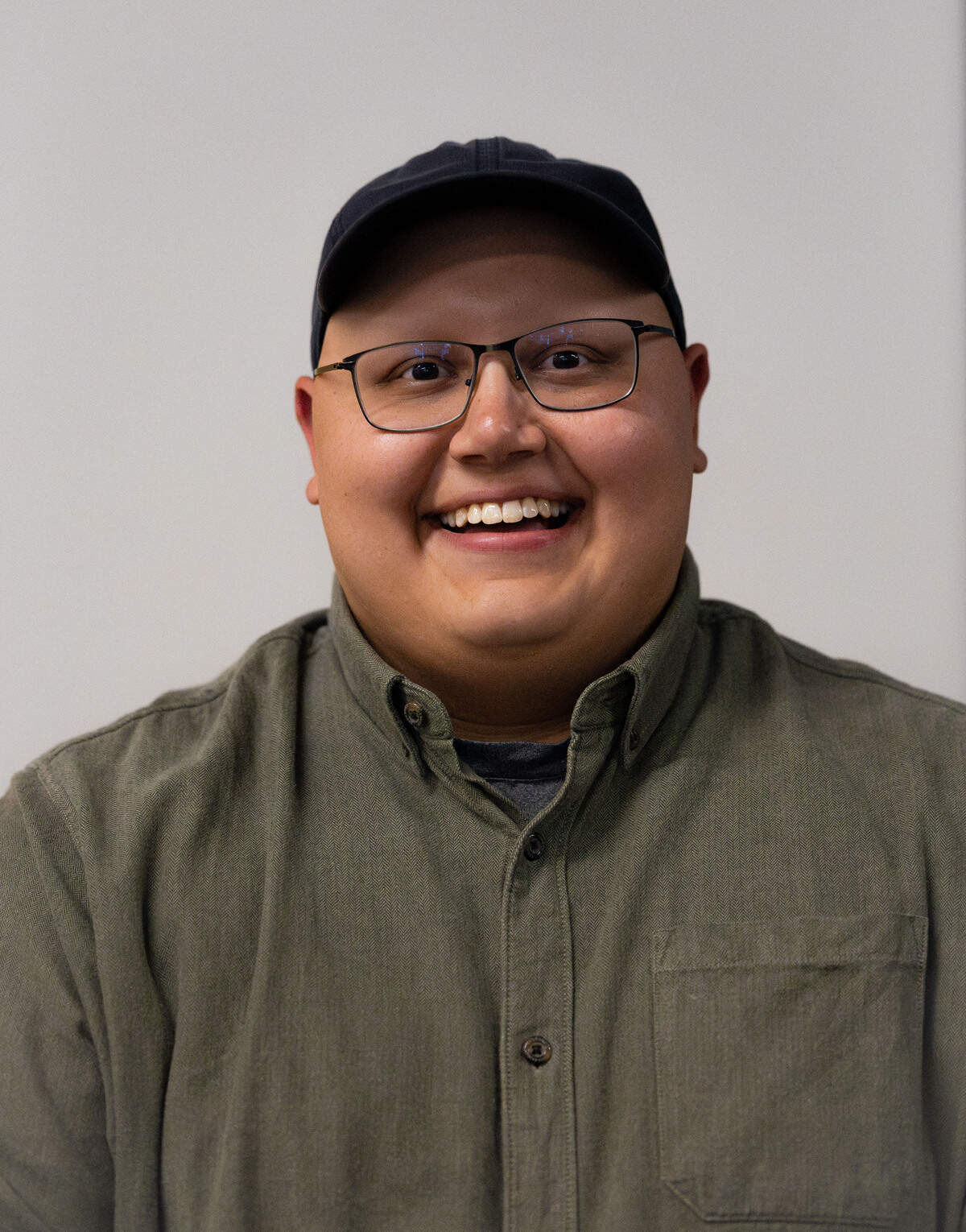
Rob Corddry on playing college football coach in Fort Worth-filmed ‘The Senior’
Rob Corddry and Mary Stuart Masterson were not too familiar with the story of Mike Flynt, who returned to the college football field at 59 years old.
The pair star in a new movie based on Flynt’s life called “The Senior,” in theaters Friday. The movie filmed in and around Fort Worth in 2021 and 2022, and held a premiere in Bedford last week.
Flynt was a linebacker at Sul Ross State University more than five decades ago in Alpine, Texas. In 1971, while going into his senior year, Flynt was kicked off the team for fighting.
At a college reunion in the summer of 2007, Flynt expressed regret to his fellow teammates about being kicked off the team. After his friends dared him to come back, Flynt soon learned that he was eligible to play and worked to make the Sul Ross roster at 59-years-old.
Corddry plays Sul Ross State head coach Sam Weston, who is based on the real-life coach Steve Wright. Masterson plays Eileen Flynt, wife to Michael Chiklis’ Mike Flynt.
Ahead of the film’s release, Corddry and Masterson spoke to the Star-Telegram about making the movie, playing real-life characters and how they liked Fort Worth.
This interview has been edited for clarity and length.
Star-Telegram: Mike Flynt’s story is something of local legend here in Texas. Had either of you heard of Mike’s story before this project?
Rob Corddry: No, I hadn’t. I must have been taking a news break at the time [laughs], I don’t know. Because it was everywhere, you know? I mean, “Good Morning America.” It was just the whole country was talking about it. We were talking about it before, I’m sort of glad that I hadn’t been aware of this story so I could, selfishly, enjoy it for the first time.
Mary Stuart Masterson: I had not heard the story at all. Again, I was probably taking a news break [laughs]. I loved it right away, because it had all the sauce. It was family story, redemption story, football movie. And here’s this really inspiring person, and then it’s true. That always seems like you might not believe it if it weren’t true, because it’s so extraordinary. Then you meet him, and you’re like, “Okay, it’s true.” Then you see Mike Chiklis actually play it, credibly, and you’re like, “Okay, you people.”
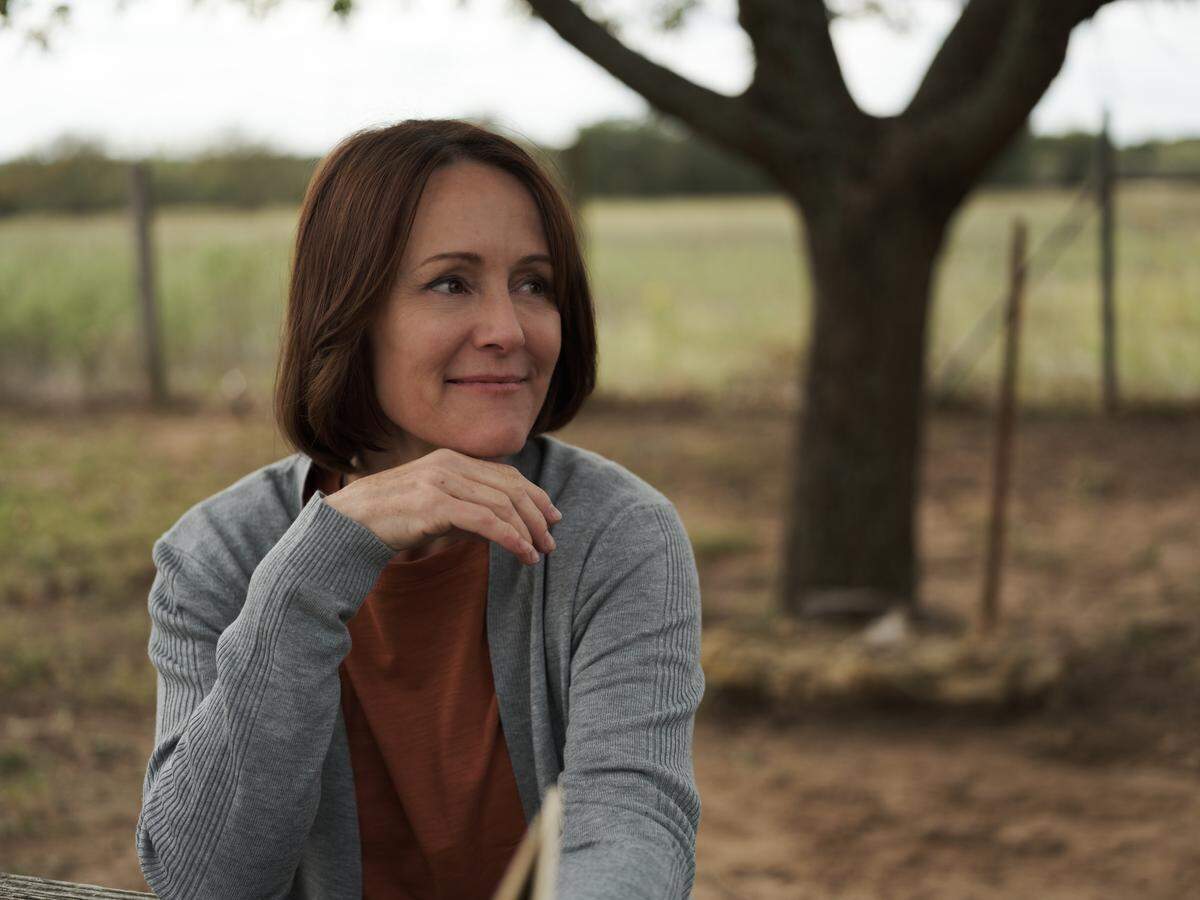
S-T: I believe Chiklis was also the same age (59) as Mike when the movie was shot. I’m curious for you both as actors, when you play a real person do you want to meet the actual person beforehand? Or do you want to do your own thing?
Corddry: The coach in real life, he’s just all football and kind of an eccentric guy from what I’ve heard. He wasn’t really interested. To tell you the truth, I don’t know how necessary it is. I did a movie called “W.” about George W. Bush. I played Ari Fleischer and I actually spoke to him before I did the role, and I don’t know if I got any value out of that whatsoever. I told Josh Brolin, who played [Bush], the first day I said, “Yeah, I actually spoke to Ari Fleischer.” And [Brolin] said, “Why?” [Laughs]
Masterson: Immediately, when I read the script and I met Rod Lurie, the director, I said, “First of all, I just am curious how much she stood up to him?” Just wanting to make sure that it wouldn’t just be “stand by your man” and not much there. Kind of wanted to have a conversation about that, and wanted to meet her. I met her, and it was over zoom because of Covid, but I recorded her voice because I wanted to accurately portray how she sounded. I knew I wouldn’t look exactly like her. I didn’t want to do an impersonation, there’s no reason to do that.
We did a little work on the script, and that was really great, because I asked her some questions about standing up to him. We were talking about Peter Pan Syndrome and all this stuff [laughs], we had a great conversation. Then I was like, “OK, she’s gonna be my ally for this role.” And then I was like, “OK, bye.” I show up on set, and then they’re right there. I’m like, “Oh, no.” Headsets, watching the monitor. That made me really nervous, uncomfortable. Because if I was watching somebody play me, I would be like, “What is this?” It’s a lot of pressure, but she completely surrendered to it. Was just supportive and actually really good at letting go and being just a resource and making sure that the themes of the story were captured in the right way. She was great. I got over myself, and I got used to it [laughs].
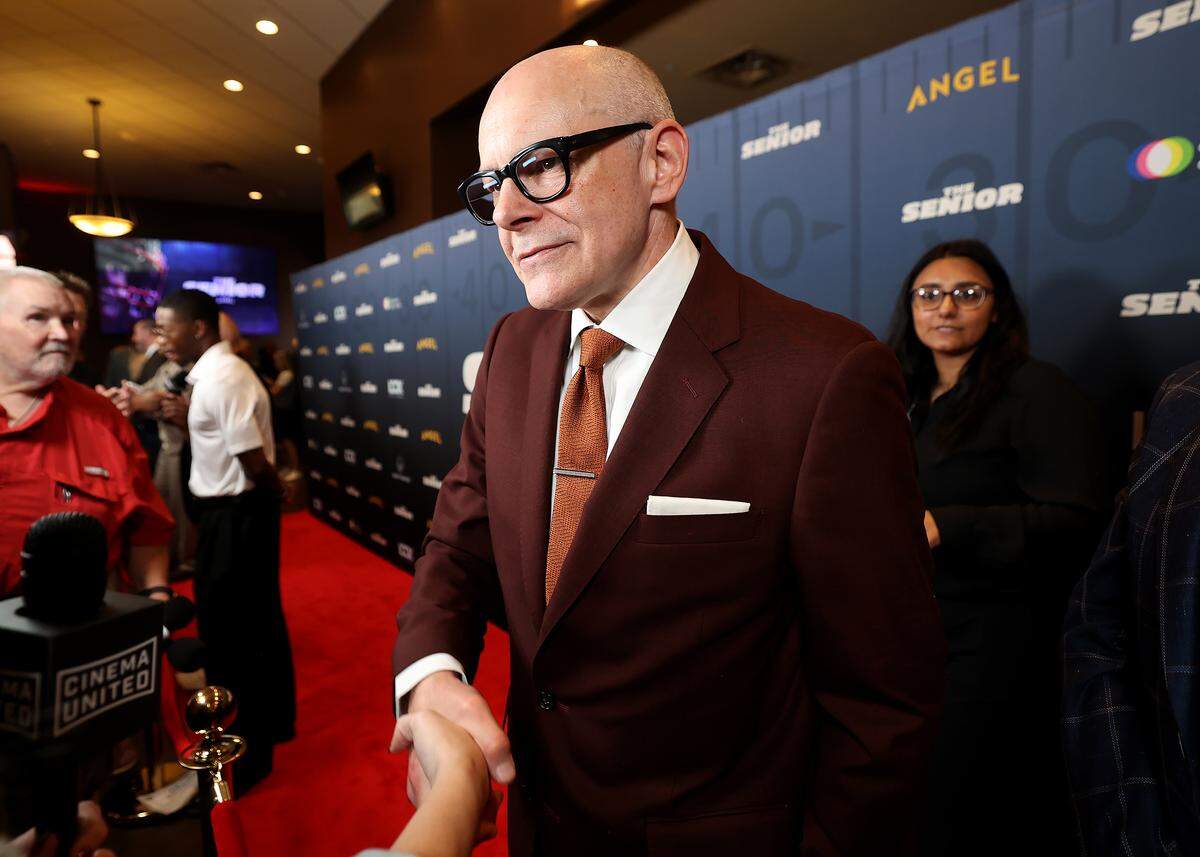
S-T: There’s some behind-the-scenes footage during the end credits that shows y’all meeting with the Flynts.
Corddry: It’s really cool. I mean, it’s kind of necessary to, just to remind the audience that what you watched is true. It really happened. Because you kind of forget. I’ll get so involved in the story that you forget that this is actually true.
S-T: Not sure if you know this, Rob, but the coach you play in the movie, Steve Wright, actually resigned at the end of that 2007 season.
Corddry: Wow, I didn’t know that. Well, I might have known that at the time, but he was coaching again somewhere. By the time we were shooting it, he was coaching somewhere, I believe division three.
S-T: This story takes place in Alpine, Texas, but was filmed in the Fort Worth area. How was the experience being in Fort Worth?
Masterson: I love Fort Worth. I have family down in Houston, Galveston, Austin. My dad was from Angleton, so I have sailed a number of regattas over in Dallas. But I had not spent any time in Fort Worth. The Fort Worth ... Dallas [divide], I knew that much. These are not the same. It was just really nice staying there.
Corddry: It’s a charming city.
Masterson: Beautiful, and I really enjoyed it. Especially the downtown area, it was really nice. I really enjoyed it.
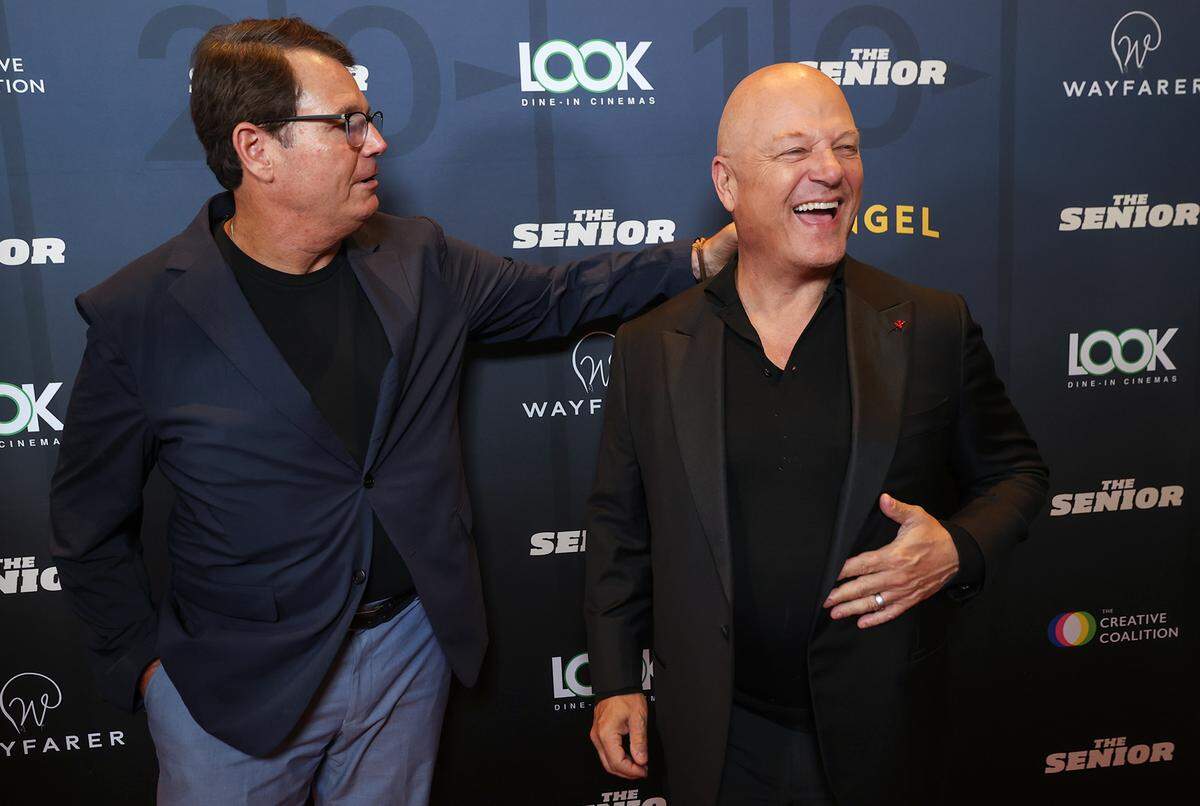
S-T: I was talking to Michael at the premiere and he was surprised by how big the stadiums were here.
Corddry: We thought we were shooting on a college field, and when we found out it was a high school, we said, “Of course it is.”
Masterson: Everything is bigger in Texas.
S-T: Last thing: What do you hope audiences take from the movie?
Corddry: I hope they take their money and they put it in my pocket. No, I hope they get the same experience, and I’m actually fairly confident they will, have the same experience that I had. I shot the movie, I lived it for however long we were shooting it. I watched it twice this week and still get choked up and find myself like, marveling at the fact that I’m still getting choked up at this movie that I know inside and out. It’s not that I hope audiences will respond that way, I’m just confident they will.
Masterson: For me, what I think is different about this movie. It’s the typical sports movie, with all the stuff that makes you cry and all that. But what I love about it is it’s people of a certain age can still dream and still be seen and still contribute and still inspire. That’s one piece. The other piece is that men can be good to each other, and can be soft and can be hard. This is important.
I know it addresses toxic masculinity and all this stuff, it’s pretty clear in the movie. To do that inside of a football movie that works as a football movie is pretty cool. People of a certain age, too, being “The Senior.” Being at the center of the story, without taking anything away from the young folks, I think, is really nice. It’s really a movie for everybody.
“The Senior” releases in theaters Friday.