Keep eyes on the stars tonight, Texas: Lyrids Meteor Shower to peak after midnight
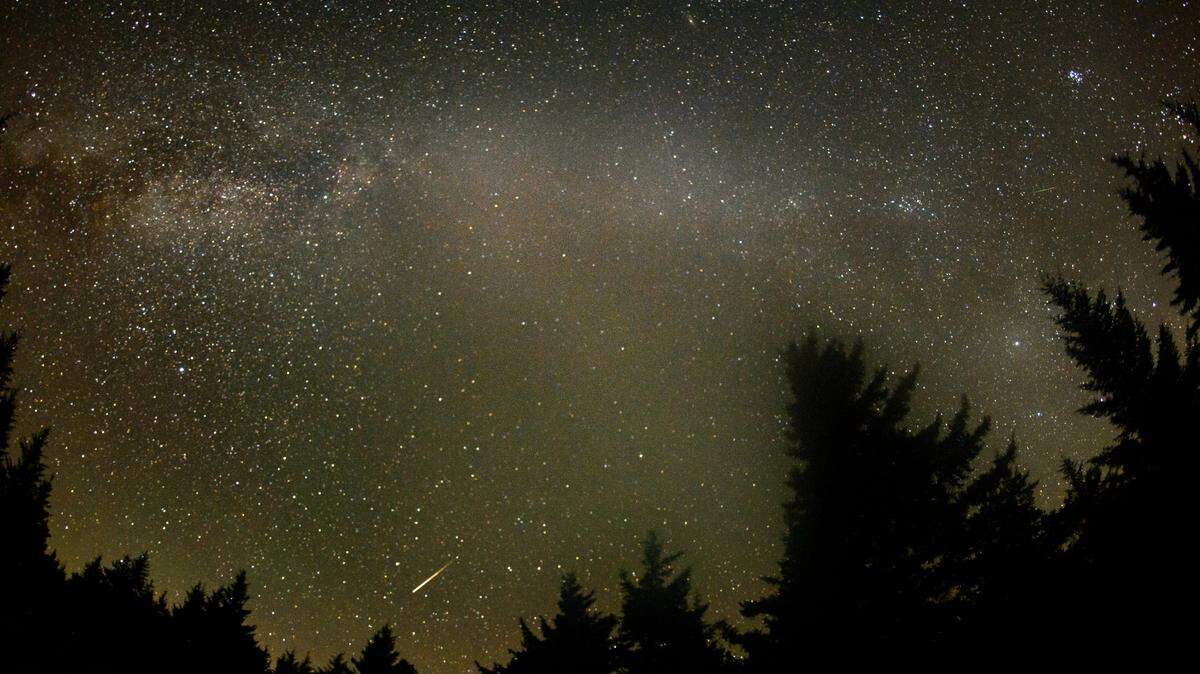
Look to the stars tonight in North Texas to catch a glimpse of the Lyrids Meteor Shower — a phenomenon brought on by the debris of a comet that passed 200 years ago.
UTA Planetarium Director Levent Gurdemir said the Lyrids Meteor Shower happens in April every year because that’s when Earth’s orbit passes through the comet particles.
The dates of the shower usually occur between April 16-25, Gurdemir said, and it’s estimated to peak Friday evening with possible visibility in the Saturday early morning hours.
The “peak” means the highest number of meteor events in the sky, usually one, maybe two, per minute, he said.
Lyrids Meteor Shower is typically not intense. Gurdemir said the chances of observing a bright meteor, also known as a shooting star, are low, but not impossible.
Similar to planets, comets follow an orbit around the sun, although their path is not perfectly circular. Because of this, comets can extend farther out into the solar system, Gurdemir said.
When comets come closer to the sun, their orbits intersect with the planetary orbits, including the Earth. The comet that left debris causing the Lyrids Meteor Shower is predicted to pass by again in 200 years.
When can I see a meteor?
Gurdemir said the ideal time to see a meteor is after midnight — so North Texans hoping to catch a glimpse should stay up Friday night into early Saturday morning.
“For some of us, [Saturday] is not a work day — that’s great,” he said. “If people are staying up late tonight, after midnight they need to look in the sky, especially in the east direction.”
Meteors will originate around the constellation Lyra, which has a bright star called Vega in its constellation.
For watchers with a telescope, Gurdemir suggests looking out for the Ring Nebula, which can be seen inside the Lyra constellation.