
Already botched your New Year’s resolution? Or haven’t made one yet? Fear not
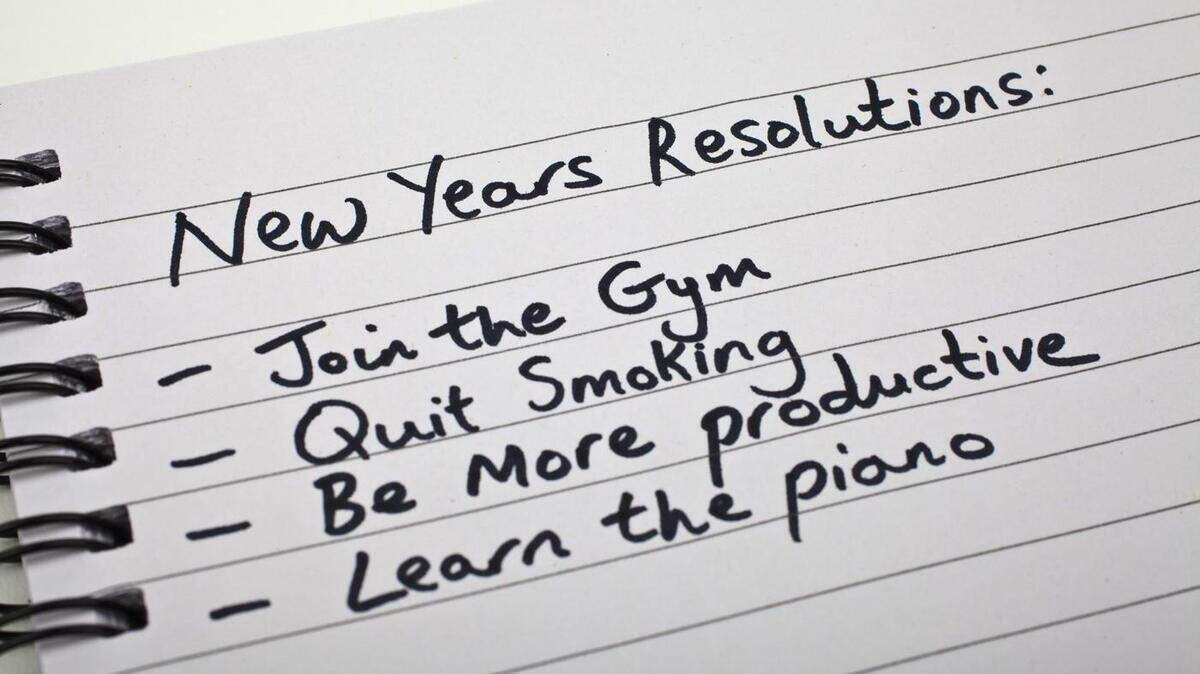
Already missing the mark on your New Year’s resolution? Or still haven’t picked one? That’s not a problem, according to Jared Kenworthy, a professor of psychology at UT Arlington and author of “Health Behavior Change: Theories, Methods and Interventions.”
If you’ve already missed the mark, you can still get back on track and may benefit from reshaping your resolution, Kenworthy said. And it’s never too late to start a resolution if you haven’t yet.
New Year’s resolutions, despite the name, can be made any time of the year, Kenworthy said. At their core, resolutions are just decisions to dedicate yourself to changing something. The key is to be kind to yourself, build accountability into your goals and make sure your goals are specific and attainable.
Since most resolutions are health related, Kenworthy said it’s important to have friends or colleagues know what your goals are and help hold you accountable.
Want to quit smoking, but you have friends who smoke? Tell them that, no matter how much you ask, they’re not to let you bum cigarettes off of them. If you can, make resolutions a group decision with friends, family or coworkers so you can keep each other on the right track.
We make resolutions at the new year because of cultural and social support and pressure to do so, Kenworthy said, so use that to your advantage.
“Build some positive peer pressure,” Kenworthy said. “The more people in your social group doing it with you the better.”
And being specific is important too. A lack of specificity is one of the primary reasons resolutions fail.
Don’t just say, “I want to eat healthier.” Make it measurable. Say to yourself, “I’ll go plant-based with my meals three days a week,” or, “I’m going to use an app to count my calories and not go over X amount.”
Or, “I am going to work out at the gym twice a week the first quarter, three times a week the second, four times a week the third and five days a week the fourth.”
Set reasonable, measurable goals for resolutions on weight loss or weight gain. And be sure to talk to your doctor about what a healthy weight or lifestyle looks like for you. Everybody has different needs when it comes to nutrition and exercise.
Kenworthy said most people probably don’t set their goals specifically enough because they don’t really think about it or don’t know better, but others lack specificity because it gives them more wiggle room or allows them to give up when the going gets tough, whether they realize that’s the reason or not.
Make sure your resolution is something you actually want and are willing to work toward, and track everything diligently.
“It may sound silly to keep a spreadsheet or a diary, but scientifically we know it helps,” Kenworthy said.
Self-tracking is something a lot of people don’t think about. Keep a record of your progress, and also note setbacks and what you do to overcome those setbacks. Keeping track of specific metrics built into your resolution, as well as being able to look back and see what you’ve done to get past obstacles, can work to motivate you to keep going.
And all the same applies to non-health-related resolutions. Whether it’s saving money, traveling more, being more present in a relationship or being more mindful of how and where you spend your money, these methods can help you make sure you don’t break your resolution.
In the end, Kenworthy said, the most successful resolutions are those that have concrete specifics, support from peers, consistent tracking of progress and setbacks and are something you really want to do.
This story was originally published January 6, 2022 at 5:30 AM.