
How Smarter Energy Use Can Help Lower Electricity Bills in Texas
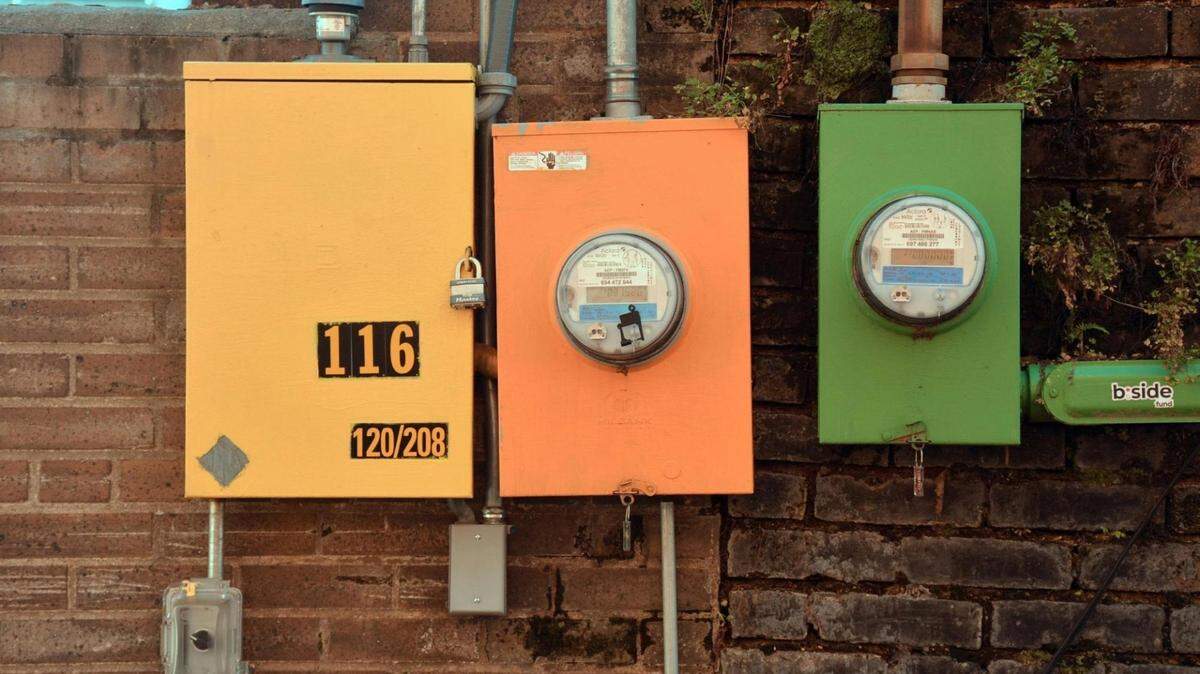
In Fort Worth and Tarrant County, rising electricity bills have put additional stress on households trying to manage other living expenses. Energy costs now take up a larger amount of families’ monthly budget than they did just a few years ago, leaving many Texans wondering what is driving these increases and whether there are practical ways to lower their bills without sacrificing comfort.
As for the why, there are several structural changes currently affecting Texas’s energy system and a new shift in how electricity is being priced to consumers. While individuals themselves cannot influence the market prices or be part of long-term infrastructural decisions, the best way to decrease your electricity bill is to adapt how and when you use electricity. It sounds simple, but the idea is gaining more traction as utility providers rethink traditional pricing models.
What’s Making Electricity Costs Higher Across Texas
Electricity pricing in Texas reflects a balance between supply, demand and the cost of maintaining a reliable grid. In recent years, demand on the energy grid has steadily grown as population growth has accelerated, especially in urban areas like Fort Worth. More residents mean more homes that require air conditioning during the hot summers, and a higher baseline energy use throughout the day.
At the same time, Texas has experienced a rise in energy-intensive activities beyond residential use. Large data centers, industrial facilities and other operations that operate all day and night have become a more prominent part of the state’s energy usage. These facilities typically consume electricity around the clock, increasing the demand patterns that once had downtimes, especially overnight.
Meeting this ever-increasing demand requires greater investment in transmission lines, substations and modernizing the energy grid. Infrastructure upgrades are essential so the grid can still function during periods of extreme heat or cold, but those costs are ultimately reflected in higher electricity rates. Even as renewable energy use continues to expand, natural gas remains an essential component in Texas electricity generation, which means fluctuations in those prices also influence electricity costs. In all, these factors help explain why electricity bills have gone up, even for customers who feel their habits haven’t changed at all.
Why Timing Can Affect Electricity Bill Costs
One of the less obvious aspects of electricity pricing is that not all kilowatt-hours cost the same to produce. Electricity is generally less expensive to generate during low demand, such as overnight, when fewer people are typically using appliances and air conditioning.
During late afternoon and early evening hours, demand rises sharply as homes, businesses and public spaces all draw power simultaneously. As it gets dark, you turn on more lights in the house, the automatic streetlamps light up the road, and you throw laundry in the washer and dryer to finish before bedtime.
Traditional fixed-rate electricity plans average these costs into a single price, regardless of when energy is used. On the other hand, time-of-use (TOU) plans adjust prices according to the actual demand placed on the grid. Under this price plan, electricity used during off-peak hours is priced lower, while usage during high-demand windows will carry a higher rate. For households willing to adjust some of their routines to use energy during less grid-demanding hours, this pricing model creates opportunities to better align energy consumption with lower-cost times.
Even Small Adjustments Can Add Up Over Time
Shifting when you use the most energy doesn’t necessarily require any significant lifestyle changes. Many high-consumption activities can be adjusted to a more flexible schedule. Laundry, dishwashers and other appliances can often be moved to late-night or early-morning hours without too much disruption to one’s schedule.
Cooling and heating can play a major role as well. Pre-cooling a home before peak hours and allowing the temperature to rise slightly during the late afternoon can reduce strain on the grid when electricity is most expensive. Charging devices is another surprising area where timing matters. Phones, laptops and electric vehicles can typically be charged overnight, again when demand on the grid is lower.
As separate components, these adjustments may seem modest, but over the course of a month or year, they can influence how much electricity is purchased at premium rates. The goal isn’t to use less electricity overall, but to use it more strategically.
How Time-of-Use Plans Fit Into Modern Energy Management
As energy demand patterns have changed over the years, some retail electricity providers are introducing plans designed to make these timing differences more visible to their customers. Rhythm Energy’s PowerShift plan is one example of a TOU structure that encourages customers to move what they can to off-peak hours by offering lower overnight rates and higher peak-period prices.
Rather than overpromising that bills will definitely go down, these plans place more control in the hands of customers. Savings can entirely depend on how closely their usage aligns with lower-cost windows, which means outcomes can vary from household to household. For residents who already have flexible schedules or use smart thermostats and other smart appliances, the transition is often relatively straightforward.
What distinguishes new TOU offers is the use of modern digital tools that help customers understand their consumption patterns easily. Usage dashboards and instant notifications can make it easier to see when electricity is being used the most, and how that timing affects monthly costs. It turns energy management into a more transparent bill.
Moving Away From Passive Billing: Making Informed Choices
Rising electricity costs likely won’t reverse overnight, given the amount of growth and infrastructure investment underway. For Fort Worth and Tarrant County residents, however, this does not mean higher bills are out of your control.
Understanding how electricity is priced opens the door to making more informed decisions. Time-of-use (TOU) plans are a way to shift away from one-size-fits-all pricing models. Ultimately, the transition is less about compromising and more about flexibility. Households that can choose plans that align with their routine are better equipped to handle rising energy costs.
The information provided in this article is for general informational and educational purposes only. It is not intended as legal, financial, medical or professional advice. Readers should not rely solely on the content of this article and are encouraged to seek professional advice tailored to their specific circumstances. We disclaim any liability for any loss or damage arising directly or indirectly from the use of, or reliance on, the information presented.
Members of the editorial and news staff of star-telegram.com were not involved with the creation of this content. All contributor content is reviewed by star-telegram.com staff.