
Bitcoin Futures Are Reshaping Modern Trading
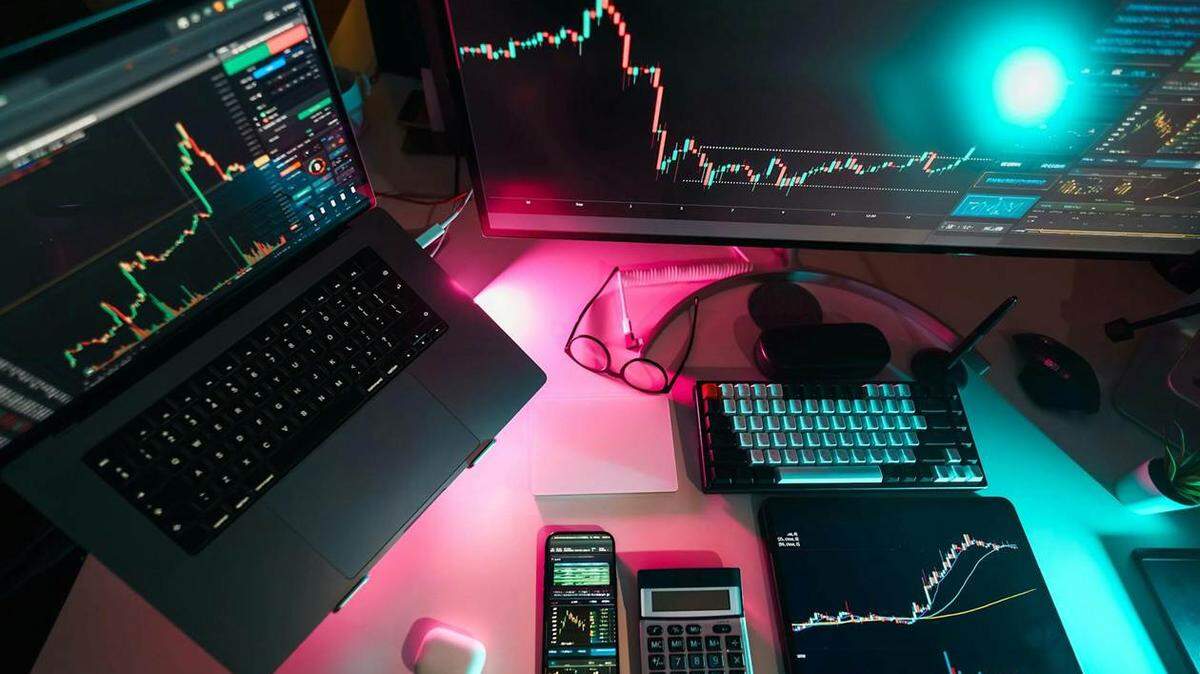
Bitcoin began as a simple thesis. Buy the asset, hold through volatility, and wait for long-term appreciation. That approach still exists, but it no longer captures how participants interact with the market. The problem is not access. It is how to manage risk and respond to price swings that can unfold in minutes. Bitcoin futures offer a solution by giving traders structured tools to engage price action with more precision.
From Passive Exposure to Active Positioning
Spot Bitcoin investing relies on directional conviction. You buy expecting the price to go up over time. This approach can restrict how traders react when the market changes. They have to accept losses along the way, and their money often stays tied to one main idea.
Futures contracts changed that structure. They allow traders to take long or short positions without owning the underlying asset. This introduces directional flexibility. If price trends upward, they can position long. If sentiment weakens, they can position short. Exposure can now be adjusted instead of being fixed.
For traders who are familiar with stocks or commodities, the process feels quite similar. Concepts like margin requirements, leverage ratios, and contract sizes operate in ways they already recognize. This familiarity makes it easier to learn and lets Bitcoin blend into their existing trading routines. Because of this, the market begins to feel less isolated and more linked to the broader derivative of space.
Volatility as a Factor in Strategic Planning
Bitcoin is highly volatile, often showing sudden price swings and quick changes within the same day. This can be challenging for those holding it long-term, as the ups and downs may cause stress. On the other hand, active traders often view this volatility as a chance to fine-tune their trading approaches.
Futures contracts offer traders a practical tool to manage this kind of price volatility. Instead of just holding through price changes, they can design approaches around these fluctuations. Approaches such as momentum trading, mean reversion, and hedging can be applied. For instance, an investor holding spot Bitcoin might take a short position in futures to help limit potential losses, which lowers their overall risk without needing to sell their coins completely.
Volatility influences aspects such as funding rates, liquidation thresholds and margin needs. This means price movements aren’t just about rising or falling values. Traders who understand how these factors work together can better handle their positions. Those who overlook them risk facing sudden losses.
Execution Turns Theory Into Pressure
Many traders begin with research. They study leverage, liquidation mechanics and position sizing. On paper, these concepts appear manageable. In practice, execution introduces pressure.
Once you open a position, price changes have instant effects. When you use leverage, even a slight change in price can have a big impact on your profit margin. Liquidation levels can be reached more quickly than you might think, and emotions often start to cloud judgment.
This move from theory to practice is where many traders find it challenging. It shows the gap between knowing how the system works and actually trading in real conditions. Futures trading demands discipline under real-time conditions. Without that discipline, even well-planned trades can fail.
Trading BTC futures on Kraken or similar platforms gives traders access to these options. However, just having access doesn’t make things simpler. Before making a trade, it’s important for traders to know exactly when to enter, determine how much risk they can handle and plan when to close their position.
Risk Management Plays a Key Role in Outcome
Risk management is important in futures trading. Although leverage allows for more efficient use of capital, it also raises the chance of losses. What looks like a safe position can turn risky fast when the market becomes volatile.
Before entering their trade, traders need to evaluate the risks. This involves knowing how much money is at risk, defining clear points where the trade should be exited, and being aware of how near the position is to liquidation. Managing position size is essential because taking on too much risk can force liquidation, even if the overall market outlook is still solid.
Managing risk consistently matters just as much. A single careless trade can erase gains earned from many successful ones. That’s why seasoned traders tend to focus more on controlling risk than on guessing market changes perfectly. By limiting losses, they improve their odds of staying in the market over time.
Market Structure and Education
As Bitcoin futures become more popular, regulators keep emphasizing the importance of transparency and education. Regulatory agencies provide resources that help explain important risks tied to derivatives and digital assets. These include risk from leverage, market ups and downs, and why it’s crucial to fully understand the contract details.
While user-friendly trading platforms might make futures seem simple, the reality is more complicated. Traders need to pay close attention to things like margin calls, funding rates and when contracts expire. Those who enter the market without enough understanding often don’t see how fast losses can add up.
Education plays a key role in narrowing that gap. Understanding how these parts interact often leads to better decisions when trading. It also reduces reliance on speculation and reactive behavior.
A Shift in Market Identity
Bitcoin is no longer defined solely by long-term ownership. It now accommodates various trading strategies that rely on derivatives infrastructure. Futures contracts play a key role in this change. They allowed participants to express their views on price movements, control their risk exposure, and handle market fluctuations through tailored financial tools.
This does not replace the role of spot investing. Many participants still prefer direct ownership for long-term positioning. However, futures expand what is possible within the same market. They introduce flexibility, but they also demand accountability.
The growth of Bitcoin futures reflects a change in how traders approach the asset. Participation now involves more than conviction. It requires planning, execution, and risk control. As more traders adopt these tools, the market continues to develop into an environment where strategy carries as much weight as belief.
Investing involves risk and your investment may lose value. Past performance gives no indication of future results. These statements do not constitute and cannot replace investment advice.
Members of the editorial and news staff of star-telegram.com were not involved with the creation of this content. All contributor content is reviewed by star-telegram.com staff.
This story was originally published March 27, 2026 at 7:00 AM.