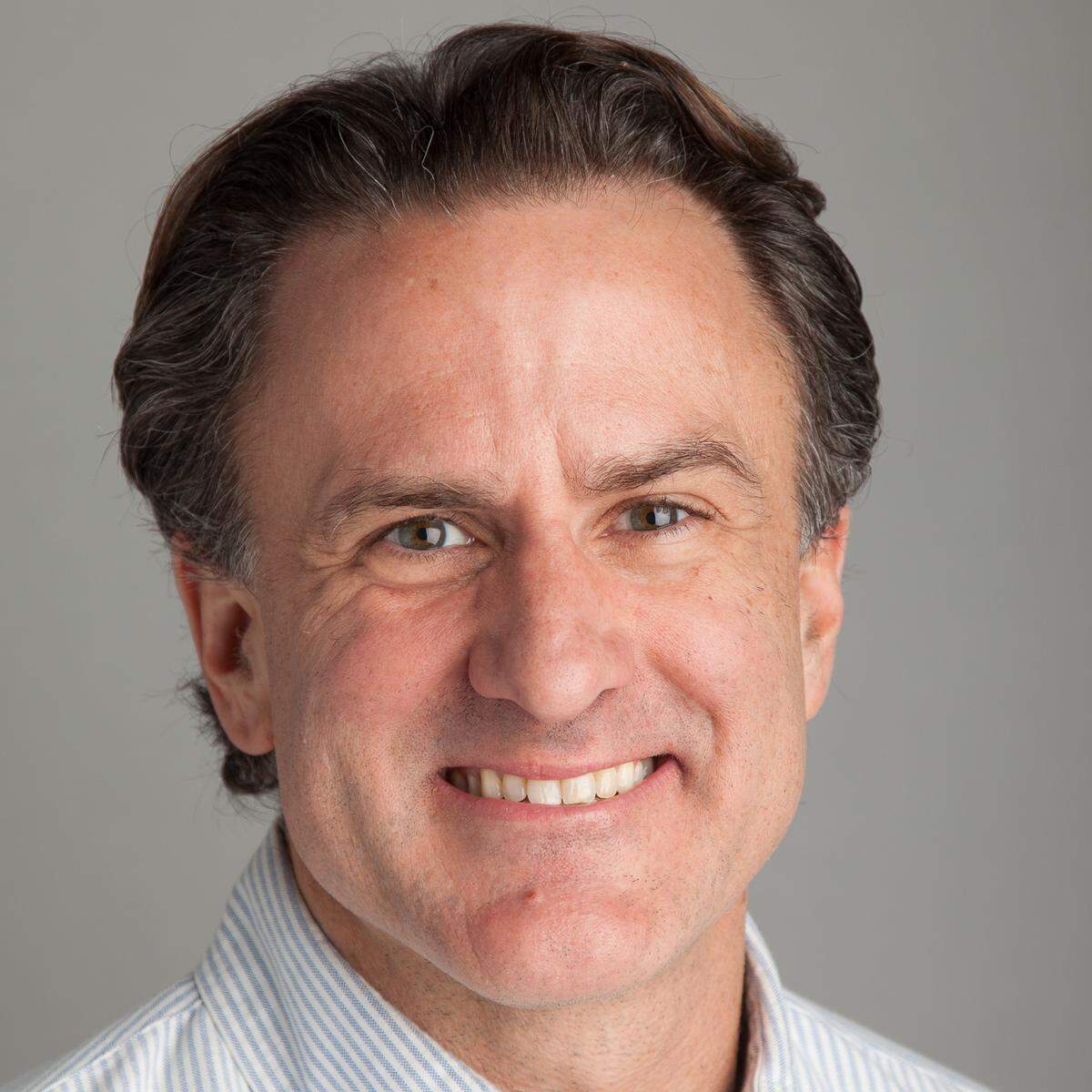
Baylor’s new AD explains why retaining Dave Aranda is the right decision
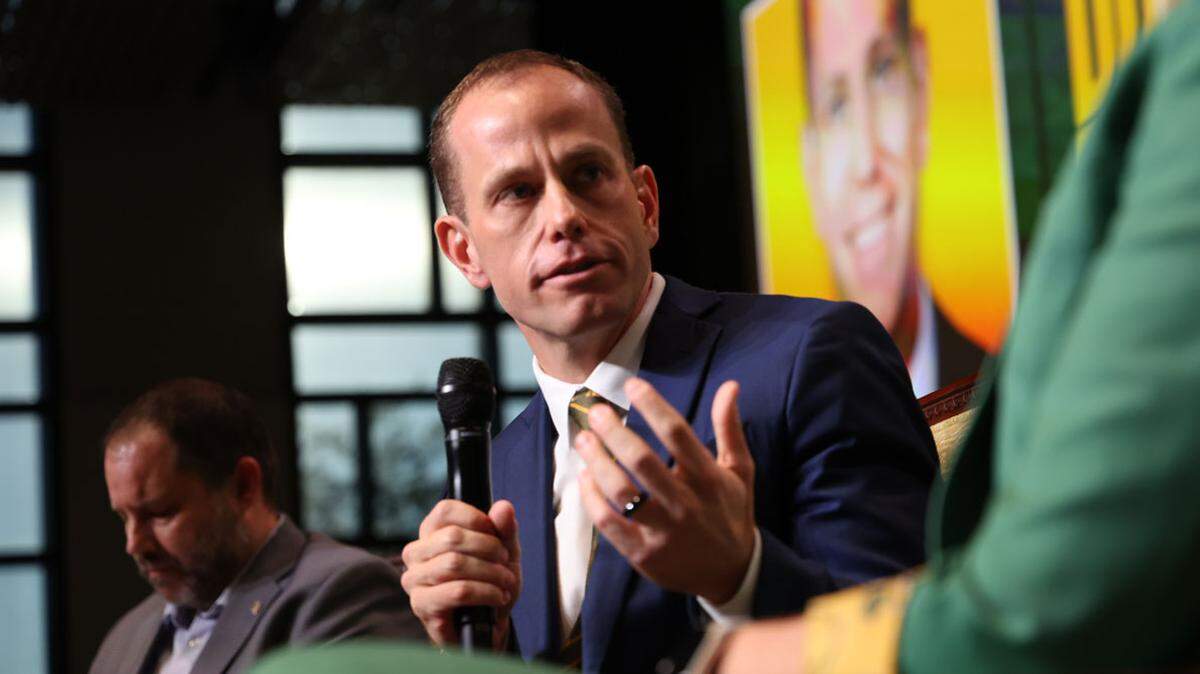
As Baylor’s latest athletic director, one of Doug McNamee’s unwritten goals is to break a cycle that has seen the last three people in his job forced to resign.
In 2003, Tom Stanton resigned in the wake of the fiasco situation created by the men’s basketball team under head coach Dave Bliss.
In 2016, Ian McCaw resigned amid the fallout of the mishandled Title IX and sexual assault allegations that engulfed the university.
In 2025, Mack Rhoades resigned for “personal reasons.” According to Baylor officials, Rhoades lives in the Waco area but has not been active publicly since his exit.
This led to the hiring of McNamee, who despite his ties to the university and Waco, his arrival was initially graded as curious. Hired in December, McNamee is a Baylor alum who previously worked in the Baylor athletic department, 7 1/2 years ago. That was before he left to accept different positions with Magnolia, the successful company started by BU alums Chip and Joanna Gaines.
McNamee inherits a job at a time when the athletic department is in a down cycle; the football team finished with a losing record under coach Dave Aranda, the men’s basketball team is in danger of missing the NCAA Tournament for the first time since 2018, and McNamee is no different from any other athletic director in that he must find more money from the Baylor community to keep pace in NIL spending.
On Sunday, the No. 18 ranked Baylor women’s basketball team will play at No. 11 TCU in a game that will be featured for ESPN’s College Game Day.
In a recent conversation with the Star-Telegram, McNamee addressed an array of topics about the state of his new department.
Star-Telegram: Why was retaining Dave Aranda the right decision for Baylor?
Doug McNamee: We have to remember this is a coach who is one year removed from a fluke play at the end of the game at Colorado that was the difference between second and a first place tie in the Big 12. We are one season removed from that season.
The ‘25 season was incredibly disappointing. The vibe around the program spoke for itself and I understand that question; why (keeping Aranda) was a real decision. I want to be respectful of that decision (from Baylor president Linda Livingstone) because it was made before me. I respect that.
I see that she made the right call, and it was in the best interest of the university for 2026 because after visiting with Dave and seeing what he’s done (since McNamee) arrived, I understand and support the decision. I have a lot of respect for him and the work he’s doing.
S-T: Why did you want this job?
DM: The timing to leave (his job at Field & Stream network) couldn’t have been worse. We had a lot of things going and had launched the network.
This speaks to the respect I have for Baylor, and a calling I felt for the job; it’s my alma mater, and if it wasn’t for that and being college athletics it would not have gotten my attention. This felt like a God-ordained moment.
This place has been so good to me; Baylor has the highest level of commitment. I have two degrees from here. I was not leaving central Texas. We’ve been season ticket holders since I left.
S-T: One of the concerns for most schools not in the Big 10 or SEC is the potential of more power conference consolidation, and specifically the fear of “being left out.” Is that a concern for you?
DM: I think we will be OK. The first part we have to do is to position ourselves to have that seat, and that means to focus on what will happen here, and on our university. This is not a back room deal that will be decided away from your ability to position your university as best you can.
Assuming we operate at our best, I am speaking as the rare combination of an R1 university, a Power 4 conference school with an elite academic profile, and an unapologetically strong faith component. We position ourselves in one of one capacity there. We serve a unique space.
S-T: Are any new facilities on the to-do list?
DM: The great news is that the heavy lifting there has been completed. The short term pain of that was done prior to the NIL era. There are no massive projects on the horizon. We have to some facility enhancements for baseball.
S-T: The NCAA revenue share with student athletes was supposed to serve as a ‘cap’ of $20.5 million, but in practice it looks like a floor; how does Baylor maintain the ‘need’ to go over that figure?
DM: Fair question. I watched it from afar before I got here, and I saw that $20.5 million as the ceiling and thought, ‘It’s going to be a hustle.’ That level of financial burden is significant. And, as you said, it became the floor. That is the minimum expectation.
From an external perspective, what are our capacities? Because that is where the arms race transitioned to. Everyone looked around and said, ‘Where is this going to go?’ I approach those conversations with a level of humility because I haven’t been around long enough to know.
To compete I feel strongly we are in a good position because of our larger community, both in terms of individuals, and businesses, to ensure that we can compete and increase what we need to be successful.