
Earlier is important: The years before pre-K matter even more
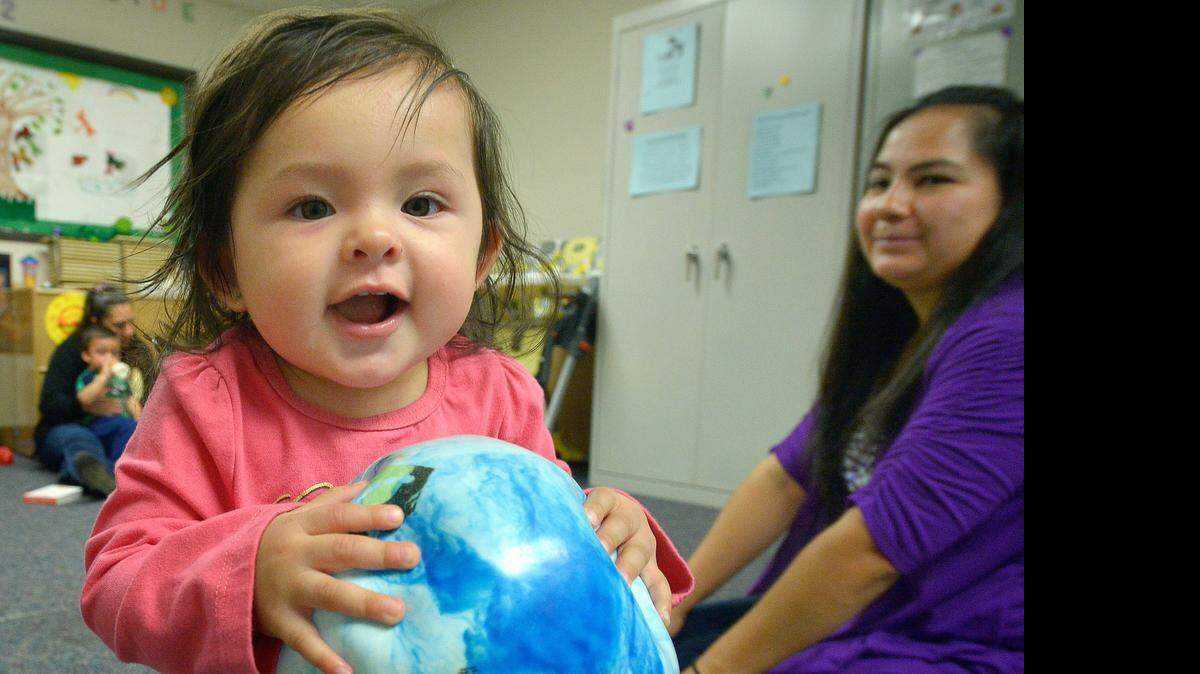
Pre-kindergarten is at the forefront of concerns over education efficacy, focusing on education and care that occurs when a child is 4-5 years old.
In the U.S. House and Senate, some 35 bills have been drafted regarding universal pre-K. Closer to home, the Fort Worth school district is implementing universal pre-K, now midway through a three-year rollout.
Early education for 4- and 5-year-olds is important, as is every learning and development year that comes afterward. But the universal pre-K conversation is missing one key point: Early childhood education begins years earlier.
We know that 85 percent of brain development occurs by age 3, establishing the essential foundation that supports a thriving human being.
In the first three years of life, this intensive time of brain development depends on positive, consistent experiences that enable a person to build and maintain effective relationships, solve problems and mediate the world effectively.
In every important year after the third year of life, we build from this amazing neurological development.
The economic impact of a focus on these years — or lack thereof — has been well documented by James Heckman, a Nobel Prize economist out of the University of Chicago.
From his work, as well as others, we learn that the return on investment during the early childhood years is 7-10 percent (higher when the focus is on 0-3 years).
No other time in our lives rivals the intense time of brain development and learning that occurs in the first three years. And yet, in terms of educational development, we continue to devote our resources and our conversations to everything that occurs in the years that follow.
Children will be more successful if they arrive at school brain-ready, regardless of when their schooling begins — first grade, kindergarten or pre-K.
Conversely, children who arrive significantly behind in their development are likely to struggle throughout their educational careers, regardless of how good their pre-K program has been.
We need to give due respect, consideration and resources to the 0-3 years. It is not only in the best interest of our children, but also those of our families and our community.
We should advocate for local funding, currently distributed through the Workforce Boards and into our Child Care Management Services subsidy system, to give special consideration to ensuring the success of the 0-3 age group.
We also need to ensure that other families, those that do not receive subsidies, can afford quality 0-3 care.
Zero to Three, a well-known and well-respected advocacy organization, has recently issued a policy agenda that suggests, in part:
“Expand comprehensive early development and learning opportunities… Increase funding for high-quality infant-toddler child care through significant increases in mandatory child care funds and the designation of funds in any pre-K funding stream to ensure families have access to care that supports their babies’ development and incentivize states to raise quality…”
Access the full document at: http://www.zerotothree.org/policy/2015-policy-agenda/2015-policy-agenda_final.pdf
These first three years must be part of all of our conversations about the importance of early childhood education. We need to support quality early experiences — from the beginning.
Even though 90 percent of brain development occurs by age 5, we invest only 5 percent of our public education dollars in early education — and most of it is on pre-K programs for 4- and 5-year-olds.
Of course, we don’t do enough for pre-K, but we invest even less in the years that make pre-K succeed — the time in our lives when we are developing, growing and learning faster than we ever will again.
Lyn Lucas is vice president of the Work Family Division at Camp Fire First Texas in Fort Worth.