
Commission should heed study on quakes
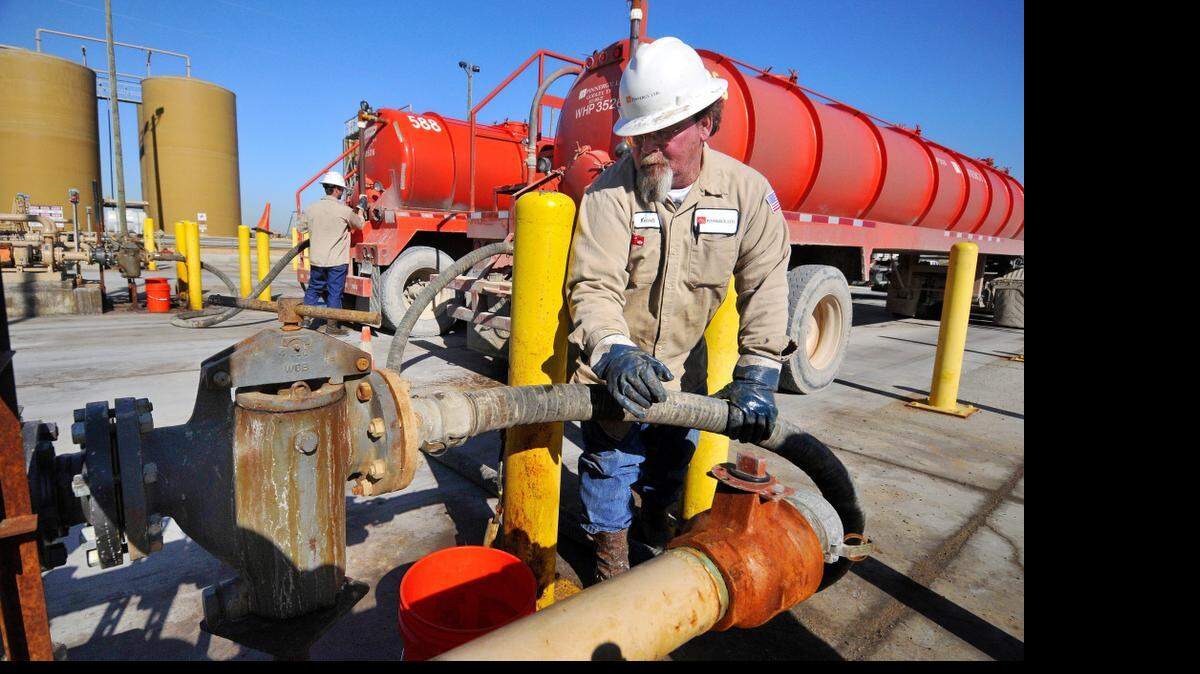
Results of studies from North Texas and from Oklahoma released this week are almost as earth-shattering as the earthquakes they examined.
An analysis published in Nature Communications, a science journal, concluded that the series of earthquakes that hit the Azle and Reno area northwest of Fort Worth were “most likely” caused by oil and gas activity, specifically wastewater injection wells and the drilling process.
Similarly in Oklahoma, where last year there were 585 earthquakes that measured 3.0 or greater, a state agency determined “that the majority of recent earthquakes in central and north-central Oklahoma are very likely triggered by the injection of produced water [i.e., wastewater] in disposal wells.”
A couple of earlier studies of temblors in Dallas-Fort Worth said it was “plausible” that seismic activity had been caused by injection wells that dispose of hydraulic fracturing (fracking) wastewater thousands of feet underground.
With the scientific studies now going from “plausible” to “most likely” on the causes of many recent quakes, the oil and gas industry and the state regulatory agency must take serious note and be aggressive in developing appropriate new rules and procedures for drilling and injection wells.
The North Texas study, written by researchers from Southern Methodist University, the University of Texas at Austin and the U.S. Geological Survey, produced a 10-year model that showed that high amounts of fracking put strains on fault lines that were already stressed.
While not saying they were 100 percent sure, authors of the study said they could rule out local water table changes and other natural increases to tectonic stresses as causes for the earthquakes in North Texas.
For area residents who experienced the 27 quakes from November 2013 to January 2014, the analysis confirms what they already believed but the industry and the Texas Railroad Commission had denied for a long time.
The commission, which regulates the oil and gas industry, last year hired the state’s first seismologist in response to the earthquakes.
It passed rules requiring companies to provide more information about seismic activity before drilling disposal wells.
All the time, however, commissioners and seismologist Craig Pearson have urged residents not to jump to conclusions.
Executive Director Milton Riser says he has invited the authors of the North Texas study to brief commissioners on the study’s findings.
Pearson said he wants to know more about the study’s methodology before reaching a conclusion about links between drilling and quakes.
This is a crucial issue and a complicated one. All gas wells are different, and there have been many drilling rigs and many injection wells that have not been surrounded by seismic activity.
Obviously more study is needed, but it is important for the Railroad Commission not to ignore this new scientific data. Instead, members must understand it and act on it.
It is incumbent on the commission, with its regulatory authority, to produce rules that will help ensure that drilling and disposal processes are safer for residents.
While recent earthquakes in North Texas have been considered minor, producing little damage, the fact that they are happening and being felt is at the least unnerving.
A proactive approach from the commission could help settle some of those nerves.
This story was originally published April 22, 2015 at 5:01 PM with the headline "Commission should heed study on quakes."