Five for Fighting says stage name flopped: ‘As a marketing strategy, it failed’
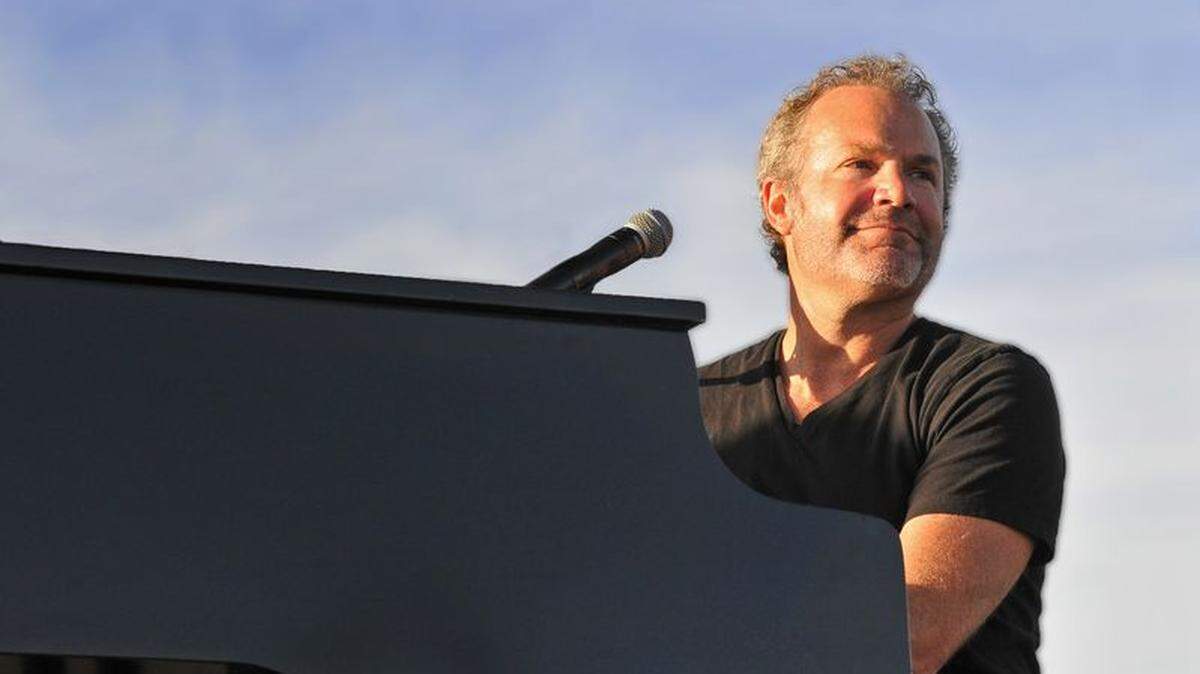
The confusion created the type of curiosity that any business would covet, but all of these years later, the moniker that John Ondrasik came up with off the top of his head worked, and it didn’t.
At least not in his head.
The singer-songwriter has been going for more than 25 years, and to this day it’s the name that people still don’t quite get.
“’Five for Fighting’ isn’t a band,’” said Five for Fighting, aka John Ondrasik, in a phone interview. “The real story is in the late ‘90s a record company came to me and said I needed a band name.
“I went to a hockey game that day and [the Los Angeles Kings’] Marty McSorley dropped the gloves and got into a fight, and was given a ‘five minute’ penalty.
“So I told them, sarcastically, ‘Five for Fighting.’ They said, ‘We love it!’ I said, ‘You’re insane.’ As a marketing strategy, it failed. On the other hand, it’s been a blessing for me. As a sports fan, I have been able to play some of the biggest sporting events in the world. John Ondrasik doesn’t get those gigs, but ‘Five for Fighting’ opened the doors.”
Doors that remain open for Ondrasik, 60. Along with Vertical Horizon, he is scheduled to play The Bomb Factory on Sunday in Dallas.
He talked to the Star-Telegram about his career, “Superman” and his biggest onstage mishap.
We recently lost Ozzy Osbourne; how do you define his impact on music?
His bass player, Rudy Sarzo, was a mentor for me when I graduated from college. He was playing with Whitesnake. Everyone knows the crazy stories about Ozzy, but he was one of the funniest people on earth. You can’t be without him without laughing. He had his demons like most of the guys did, but I think he was a lovely person and he really did rise to the occasion with his concert before he passed. I know his wife, who is equally as powerful, and frankly she saved him and allowed him to live to an old age.
What song that you produced had the single greatest impact on your life?
“Superman.” It was my first song that became popular, and being that song that celebrated the heroes of 9-11 in New York ... I mean, that just doesn’t happen for a young songwriter. And the song still resonates.
The song that fell into the culture was “100 Years.” That became the soundtrack for everybody’s home movies at some point; a wedding, or a funeral, a birthday, graduations — it still seems to find its way into the culture.
As a performer, do you ever go to a concert and wonder if the show is prerecorded or lip-synched?
For sure. You are talking to an opera singer. I trained operatically. All of my favorite singers trained operatically — Freddie Mercury, Steve Perry. In today’s age, people are so comfortable using tracks.
We don’t, but we have the orchestra that is the track. It is a show, but for an old codger like me, I do get annoyed when people lip-synch. I do understand it for a Super Bowl or something, but at a live show, if you are lip-synching that’s a little bit lame.
I may be an old curmudgeon, but I think the level of musicianship has suffered a little. On the other hand, now you don’t have to be a virtuoso to make good music.
You have a degree in math from UCLA; what was your plan to do with that?
I had an aptitude for the sciences. My dad was an astrophysicist. I thought, ‘What’s the degree that I can get pretty easily and not spend 20 hours a day coding?’ That’s what I was doing. I thought about teaching. I think I would have wound up in a tech job.
You went to Ukraine after you recorded “Can One Man Save the World?” What did you see that changed your view of either life or the world or the conflict itself?
[The war in Ukraine] is getting lost. I would also have to throw in when I went to Israel last year. I was in Israel the first night of an attack. I was in Ukraine when warning signs went off, in Kyiv. There weren’t a lot of attacks when I was there, but people have to live their lives during a war.
They do their laundry. They go to the grocery store. I was talking to a woman who was 70, she was leading the orchestra behind me. She spent an hour with me teaching curse words, so I could curse [Vladimir] Putin.
The day after the attacks in Israel, the beaches were flooded with people. It is this ability to live their life in terrible circumstances. Those experiences changed me and made me more grateful for what we have in this country.
What was your inspiration to do the Five For Fighting string quartet tour?
It started when we were asked to do symphony shows. That was an incredible experience, to have a 32-piece orchestra behind you. It felt like a rebirth for me, and we wanted to do that in smaller markets.
I can’t afford to bring a symphony that big on the road, so we reduced the arrangements and I love it. It keeps everything fresh. My daughter is opening for me on these days; it’s “Dad and the string quartet.”
Do you have a favorite performer whom you played with that meant a lot to you?
The easy answer is Paul McCartney at the 9-11 concert for New York. The more personal answer is when I wrote a few songs with Stephen Schwartz, who did “Wicked.” That was a “pinch me” moment.
As you get older, how do you prepare yourself to be able to hit the high notes that you are known for?
Operatic training. Classic training is critical. You won’t know this unless you are an opera fan, but opera performers come into their own in their 50s. I’m 60. It’s about taking care of my health as my voice.
That said, are some days better than others? To this point the voice is there and good as it’s always been, maybe even better, and I manage it. These days you are seeing acts still going; Mick Jagger is running around at 80. I just did a gig with Alice Cooper.
Biggest onstage screwup?
The 9/11 concert for New York. I’m a young songwriter. This is Madison Square Garden. Place is sold-out. It’s in front of 23 million live on television.
They were having all kinds of technical difficulties with that show. We were using earpieces, and we couldn’t get them to work. They say, “Five for Fighting” and I go up and I start, and immediately it’s 100 decibels levels of white noise in my ears.
I had two choices: Stop, or sing by braille. I start singing “Superman” and I couldn’t hear a thing, but I see this guy in the stands singing the whole thing, so I just sang it with him. For the entire song.
If I had to do it over again, I would take the earpieces out, but I was so scared and nervous. Live TV is where you get serious butterflies. It’s like sports in that you never know what’s going to happen.
Thanks for your time and continued success.
This has been a lot of fun, and I hope to see you all at the show.
This story was originally published August 11, 2025 at 8:50 AM.