Ex-Texas, North Carolina coach Mack Brown offers advice for dealing with media | Opinion
He came back once, but do not expect Mack Brown to return to coaching again, and while he’s not sure what he will do in retirement, he should advise all coaches who speak to the media.
The ex-head coach at the University of Texas and North Carolina was always good in front of the camera, but it wasn’t until after he was pushed out at UT did he fully grasp the other side of the microphone. When he worked as an analyst for ESPN on its college football telecasts, he got it.
“My five years in the media helped me as much as anything, because coaches all get convinced that you were after them, and you’re trying to get them fired, and you’re trying to find every little thing, and then [the coach] gets angry. They get the chip on the shoulder, and then you have to ask the hard question,” Brown said.
“I got with ESPN, and they said, ‘You need to ask the hard questions [to coaches].’ I said, ‘Yeah, but then you want me to ask the guy to come and interview with you, and he’s gonna be [angry], and he‘s not gonna come, so you can’t have both ways. You gotta have one or the other.’
“But I really learned that you all’s jobs are hard in that you’ve got to find something that nobody else has got, and it’s got to be interesting enough for somebody to read it, but needs to be factual. And you’re not really sure all the time what’s factual and what’s not, and then you’re going make the guy mad when you write it.
“I’ve always thought that if something was written that was inaccurate, I was mad. I didn’t like it. If it was accurate and we messed it up, I was good. I never had problems with that, but I would tell [Texas football media relations director John] Bianco, ‘Call [that reporter] and tell him, ‘That’s not true, that’s just not right, and he should want to know that it’s not right. It’s not the truth. He’s gotten his information from the wrong place.’”
There is a lot going on in this statement, and a shot at empathy.
As much as the Internet has effectively destroyed the traditional media model that existed for 80-plus years, and made “hard questions” an increasingly sucker’s bet, the two sides still need each other. Maybe not in the same way they once did, but this is still a mutually beneficial relationship, even though what the two parties want are construed as polar opposites.
Let’s look at Brown’s assessment of the media line by line:
No. 1: “Coaches all get convinced that you were after them, and you’re trying to get them fired.”
Categorically false.
The dull reality is media members who cover a team don’t want a coach fired. Now, if that coach is mean, that same member of the media will not drop a tear when that person is canned, but they’re not going to wish for that person to lose their job.
The fan, wealthy booster or high-ranking administrator may feel differently, but that is a different animal group than the media.
No. 2. “You’re trying to find every little thing.”
Because there is an audience for it.
But no more is it “every little thing.” These days, it’s more like “any single thing” that hasn’t already been pre-scrubbed and bleached but rather is genuine, sincere and authentic.
No. 3. “Then [the coach] gets angry. They get the chip on the shoulder, and then you have to ask the hard question.”
Common occurrence. Or it was.
No. 4. “I got with ESPN, and they said, ‘You need to ask the hard questions [to coaches].’ I said, ‘Yeah, but then you want me to ask the guy to come and interview with you, and he’s gonna be [angry], and he‘s not gonna come, so you can’t have both ways. You gotta have one or the other.’”
The football, or men’s basketball coach, is usually the highest-paid public employee in that state. Without infringing on the person’s personal life, that there is an increased acceptance to not being permitted to ask for a modest degree of accountability to questions that really aren’t that hard is embarrassing.
Paranoid, and enabled, coaches will push out those who flash the temerity to ask something other than, “Coach, talk about your greatness.”
What USC’s Lincoln Riley and Colorado’s Deion Sanders have been allowed to do is a disgrace to those respective administrations that sign their checks.
Lincoln has all but shut off any degree of access to his underachieving team, and Deion went so far as to have a columnist from the Denver Post banned from asking any questions at his press conferences. Both schools signed off on these silly measures because, although they pay them millions, they are terrified of them.
If the media member works for a “broadcast partner,” the team, the school or the league, the hard question is as welcome as a brick through a window. Most of the people who work in these situations have, out of fear of losing their job, unknowingly transitioned to the role of influencers.
(No judgment. A check is a check. Some of them are huge.)
No. 5. “I really learned that you all’s jobs are hard in that you’ve got to find something that nobody else has got.”
True, and it’s not that hard. It’s just sports.
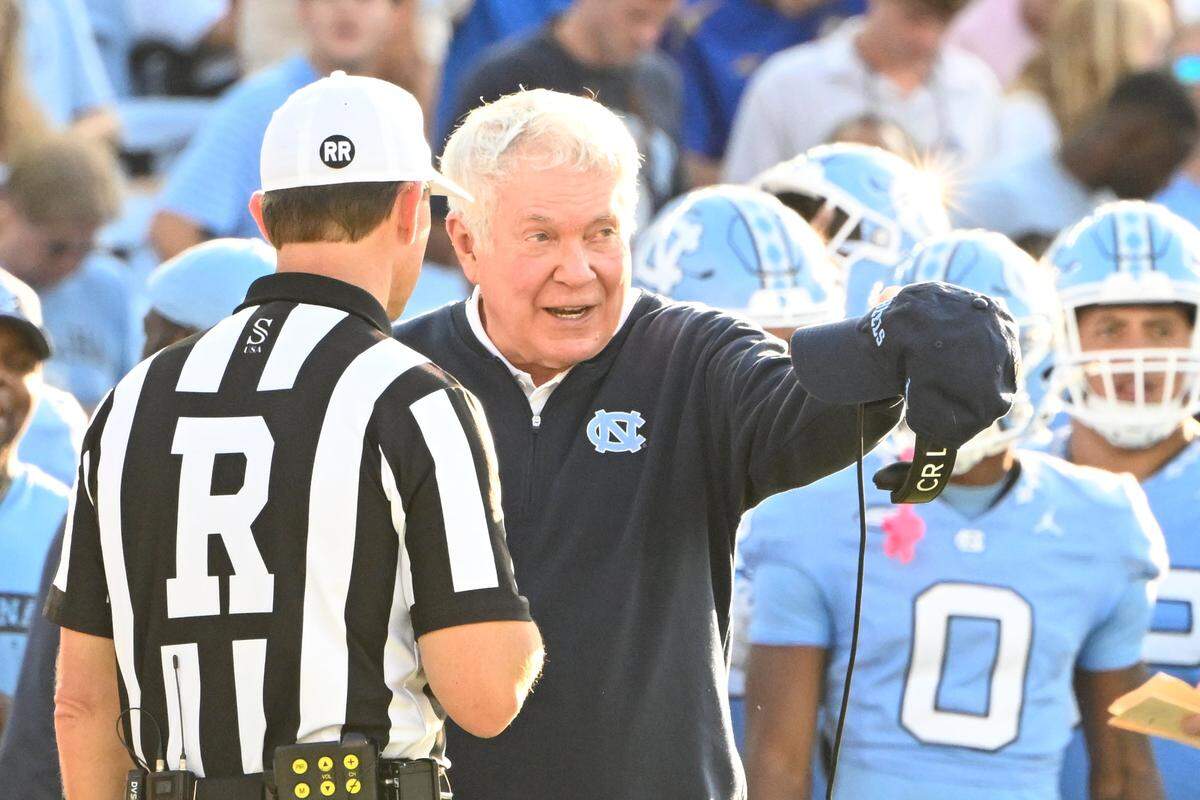
No. 6. “It’s got to be interesting enough for somebody to read it, but needs to be factual.”
Facts. That’s the model. It’s what drives interest; whatever you think of the now deceased former Fox News chief Roger Ailes, the man understood what creates interest in storytelling and narratives -- conflict.
It’s no different than “The Bachelor.”
No. 7. “You’re not really sure all the time what’s factual and what’s not, and then you’re going make the guy mad when you write it.”
Tragically true. Never has there been so much information available at our fingertips, and we question, or doubt, most of it.
No. 8. “I’ve always thought that if something was written that was inaccurate, I was mad. I didn’t like it.”
Fair. People in my profession blow it, routinely, without thinking of the consequences. Guilty. It’s not fun.
No. 9. “If it was accurate and we messed it up, I was good. I never had problems with that.”
There may be some revisionist history here, but his sentiments should be, and traditionally are, the norm.
No. 10. “I would tell [Texas football media relations director John] Bianco, ‘Call [that reporter] and tell him, ‘That’s not true, that’s just not right, and he should want to know that it’s not right. It’s not the truth. He’s gotten his information from the wrong place.’”
There can be a gray to this; what a coach may see as “Green,” the media member can see as “Blue.”
The relationship between the coach/player and a member of the media is traditionally complicated; it’s a weird dynamic, but a little empathy never hurt anyone.