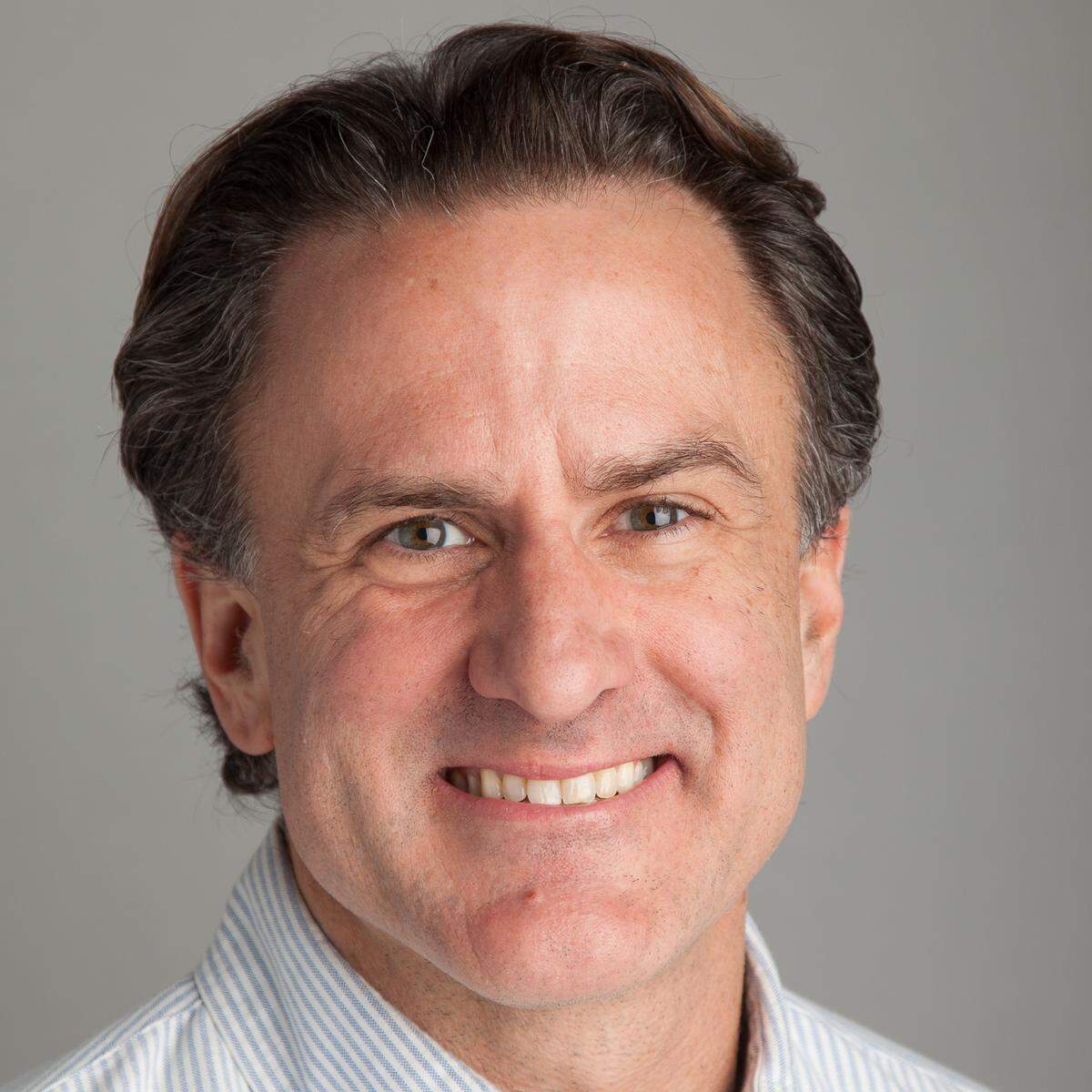
Former SMU great, Eagles and Colts defensive lineman dealing with early dementia
The first sign came about three years ago, and Harvey Armstrong admits even recounting it is a bit embarrassing.
He accidentally left his dog in the car. He loves that dog.
“How can I leave my baby in the car?” he asked. “The second was when I forgot to get my daughter from school.”
The third he said, “came during an interview when I forgot the question I was answering.”
Armstrong is 63. Some of this can be explained by aging, but he knows a disproportionate amount is on football.
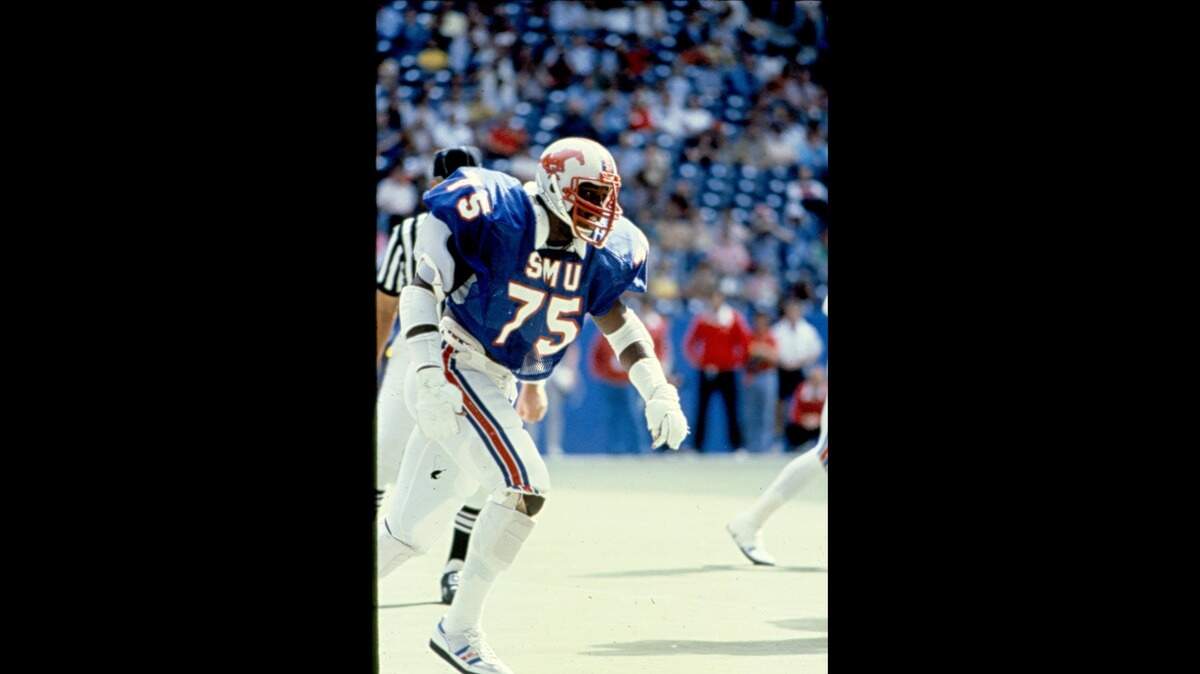
Armstrong played at SMU from 1978 to 1981, for the Philadelphia Eagles from 1982 to ‘84, and five seasons for the Indianapolis Colts. His last season was 1990.
Armstrong does not regret his career but he’s another case of an older ex-player dealing with the effects from football during an era when no one had a clue what was coming. Or, worse, those in charge knew and didn’t care.
He’d like a little bit more help from the NFL, and wants people to know there are a lot of guys we all watched, and cheered for, are just like him.
“I want to be transparent,” Armstrong said, “I have been diagnosed with early stages of dementia.”
1980s football was a recipe for dementia
Armstrong played 111 career NFL games, and over 40 games during his time at SMU where he was named an All-American.
That’s a lot of tackles. Sacks. Collisions. So many hits that count even though they don’t appear on a stat sheet.
A lot of impact on AstroTurf, the thin layer of carpet over concrete that was the preferred surface during his college and pro career.
“I can’t count the times I, ‘got my bell rung,’” Armstrong said in a phone interview from his home in Atlanta. “I had a stinger so often I was wearing a special neck brace so my head wouldn’t flop back. There were times I’d go to the sideline with no feeling on my left side. You don’t feel your left arm.
“You get these burners from your head all the way down your side.”
Despite his condition, Armstrong still watches football. He’s like a lot of former players, they can’t give it up.
“Would I play again?” Armstrong asked. “I’d line up tomorrow and get in my stance.”
Even when he sees plays that remind him of his career that he’d like to forget, but his body will not let him.
Specifically he was watching the game between the Dolphins and Bengals in Sept. of last year when Miami quarterback Tua Tagovailoa suffered a scary concussion during the game. After a hit, Tua was on his back with his arms raised and his fingers locked in a contorted position.
“That happened to me numerous times,” Armstrong said. “The difference was they let you continue to play.”
He took a deep breath.
“I think the Super Bowl was the only game this season I watched from kickoff to the end,” he said. “I watch it, but I think it’s too soft right now. Honestly, I’m kinda bitter about it.”
Treating CTE and getting the NFL to pay for it
Traveling solo is difficult. There was an incident Armstrong found himself at the wrong gate at the airport. He doesn’t drive as much any more. Sticking to a routine is paramount.
Armtrong had his daughters watch the Will Smith film, “Concussion,” the Hollywood production about Dr. Bennet Omalu, the man who discovered what is known now as CTE.
He talks to his former SMU teammate, Pro Football Hall of Fame running back Eric Dickerson, often to the point they call the other “their therapists.”
They have similar feelings about the NFL these days.
Armstrong is like a lot of former players who want the NFL to cover some of the costs for the medical treatment.
Armstrong said he’s paid thousands of dollars in medical bills to try to retain some quality of living, “but the NFL is basically saying, ‘There is nothing wrong with you.’”
Armstrong knows there is something wrong with him.
It’s been 10 years since the NFL agreed to pay $765 million to settle the lawsuit filed by former players who suffered effects from concussions during their pro careers. As part of that settlement, ex-players can seek medical treatment that is covered by the NFL.
Beasley Reese played for three teams in the NFL from 1976 to 1984. He recently retired as the NFL alumni president.
“I am sure the NFL is hiring the right people to protect their business, but the NFL does not want guys like Mr. Armstrong out there struggling, either, because they played pro football,” Reese said in a phone interview. “The problem so often is the players get separated from the herd and they don’t know what’s out there.”
Reese said there is a route for former players to obtain medical care covered by the NFL.
What former players have discovered is that the process to obtain that coverage can be lengthy, frustrating, and exhausting to the point many players just give up.
Proving one is living with the effects of CTE is a gray; the NFL created a system to ensure its not just giving away money to those who claim to need it but don’t.
For guys like Harvey Armstrong, the process has left him beyond frustrated.
Harvey Armstrong knows players today have it better
Armstrong estimates he had 15 surgeries as a result of injuries sustained from football, including 11 on his knees. Compared to what he’s dealing with now, cognitive decline, sore knees and shoulders are nothing.
He’s a member of the SMU Hall of Fame, played eight NFL seasons, and he says it was all worth it.
He’s made peace with playing football.
“I don’t think this generation will suffer as much as we are now. We didn’t know,” he said. “Don’t you dare feel sorry for me, but I paid a price.
“It gave me a great life, even though I am struggling right now. But I would do it again, I just wish we could find a better way to address these issues, and we had demanded better attention to our future.”
This story was originally published March 3, 2023 at 9:00 PM.