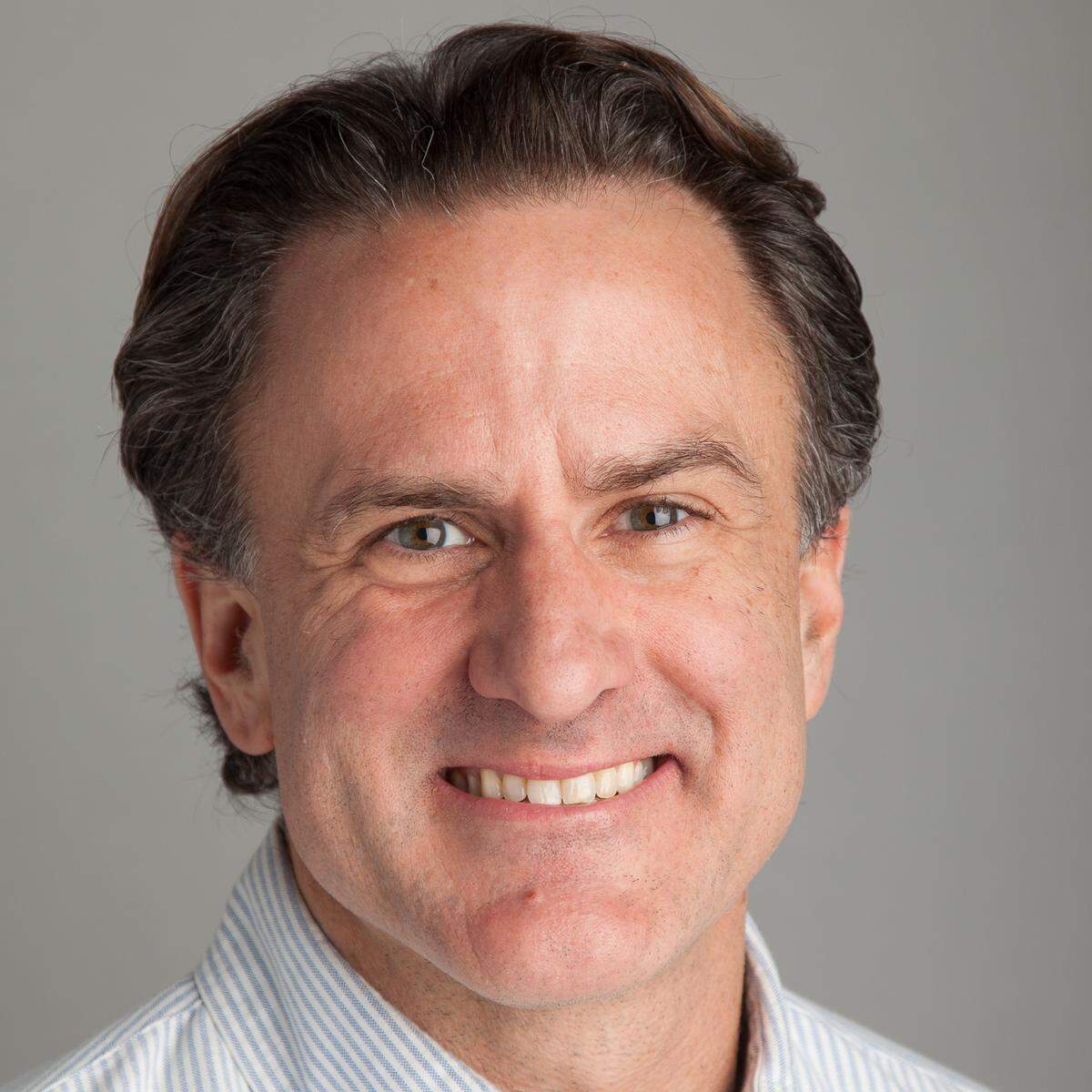
There is no NCAA NIL without the famous uncle of TCU forward Chuck O’Bannon Jr.
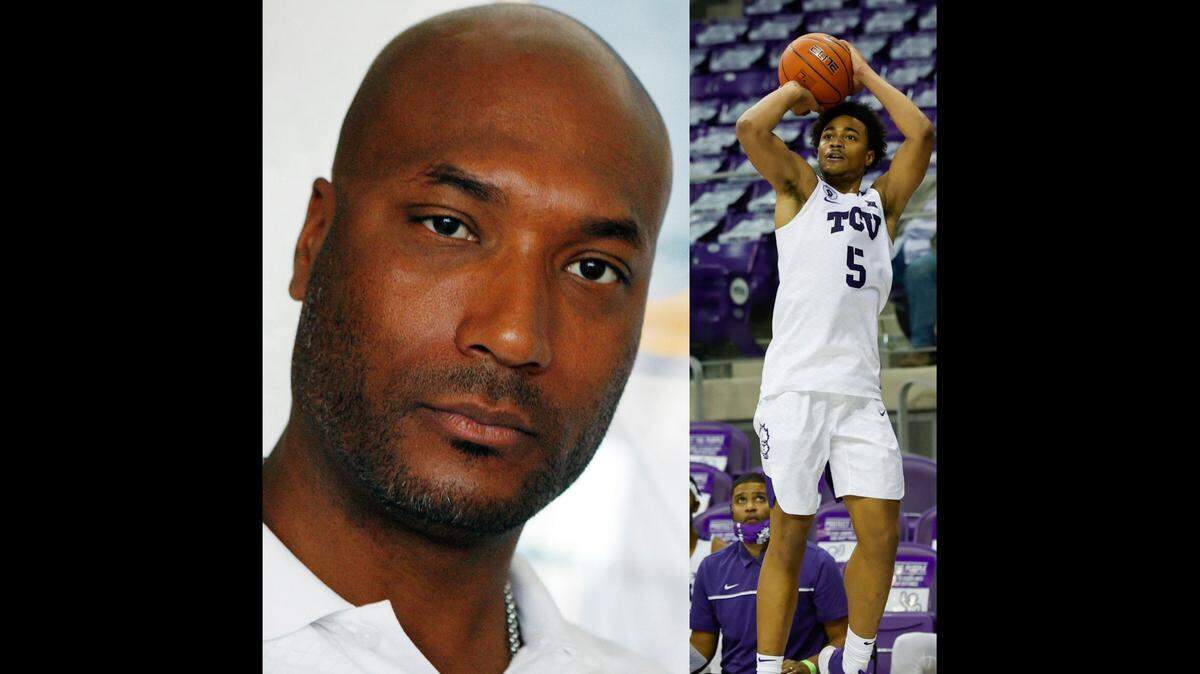
Chuck O’Bannon did not change college athletics, but some of his TCU teammates may not know that it was his uncle who did.
The reason why college players can get paid cash today is due, in large part, because of a measure taken up by O’Bannon’s uncle, Ed.
The current group of TCU players, and every single current student athlete today, would have been little kids when O’Bannon’s uncle took the NCAA to court.
The TCU forward knows that uncle Ed played a role in fighting the NCAA, which directly led to the Name Image Likeness (NIL) legislation, and other compensation, that altered college athletics unlike anything ever has.
“I knew a little bit of what he was doing, or what he was trying to do,” Chuck O’Bannon said in a recent interview. “Now that I’m older, it all makes sense. I get it now. Back then, I didn’t.”
It’s not a topic that comes up much at family parties.
“To me, I just didn’t think much of it,” he said. “It all happened way before I was in college. I really didn’t know how things were for a college athlete. I had an idea of what they were for my dad and my uncle, who were national champions. They had a different perception than your average, normal everyday student athlete.
“It is totally different now. But, I think it was different for them based on who they were.”
That’s about the extent of Chuck O’Bannon’s knowledge of it all.
Today, Chuck O’Bannon is a guard for the TCU Horned Frogs as they prepare to play their first NCAA Tournament game since 2018. Both the NCAA Tournament, and all of college athletics, feel different because of his uncle.
The thin veil of amateurism is gone from the NCAA.
Along with Chuck O’Bannon’s father, Charles, Ed O’Bannon led UCLA to the national title in 1995.
Ed O’Bannon was an NBA lottery pick that year, and he lasted in the NBA for two seasons before he found success overseas, playing another eight years.
Charles O’Bannon was a second round pick in 1997, and he lasted in the NBA for two seasons, and also had success playing overseas, which is where his son spent much of his youth.
Around 2008, Ed O’Bannon noticed that the popular Electronic Arts (EA) video game “NCAA Basketball” featured a depiction of a player who looked a lot like him. Because, it turns out, the figure on the screen was based on him.
EA sports creators based both its popular college football and college basketball games on NCAA players, who did not receive any compensation while the NCAA did.
“Using a player’s face in a video game was over the top,” TCU coach Jamie Dixon said. “That was one bridge too far.”
O’Bannon’s suit claimed the NCAA’s rules were illegal, as they prevented student-athletes from being compensated for the use of their NILs.
This was an expensive legal process that took years as the NCAA spent millions to keep the amateur model in place.
In 2014, a court ruled the NCAA’s rules were a violation of antitrust laws, which was the trigger to changes that no one exactly knows how they will ultimately alter college sports.
The early results included the end of the popular video game, as EA wanted no part of the potential price hike. EA had to pay about $60 million as a result of the lawsuit. The college football game is expected to return as EA has worked out a deal to make this possible.
NCAA schools are now able to give student athletes the full cost of attendance, which is different than a full scholarship.
The rule, which was approved in 2015, allows schools to provide monthly stipends to players.
In September of 2021, under pressure from state legislators, the NCAA finally passed a measure to permit student athletes to make money from their own name, image and likeness.
“I think we are in Day 2 of all of this. We can understand players can make outside money, but we don’t know what it’s going to become, or how it’s going to continue,” Dixon said. “I think some teams will have more one year, and not as much the next.
“There is real talk among the NCAA and athletic directors there will be rules and regulations,” he said. “I don’t know how they are going to do it, but they have to do something.”
A couple of Chuck O’Bannon’s teammates have taken advantage of this new NIL world, namely guard Mike Miles and forward Ed Lampkin.
“It is different now only because social media has made it different,” Chuck O’Bannon said when referring to the change in college athletics today compared to when he was a freshman at USC in 2017. “A lot of people are starting to follow this a lot more.
“People who weren’t interested in college basketball before, because of social media, they may see it now. They’re almost forced to be interested, and that’s all it takes.”
So for all of the players who get paid as a result of being in March Madness — and for the thousands of other student athletes who get paid a little extra money — give an assist to Ed O’Bannon.