Professor, father of tot with heart ailment, wins battle with TCU over remote teaching
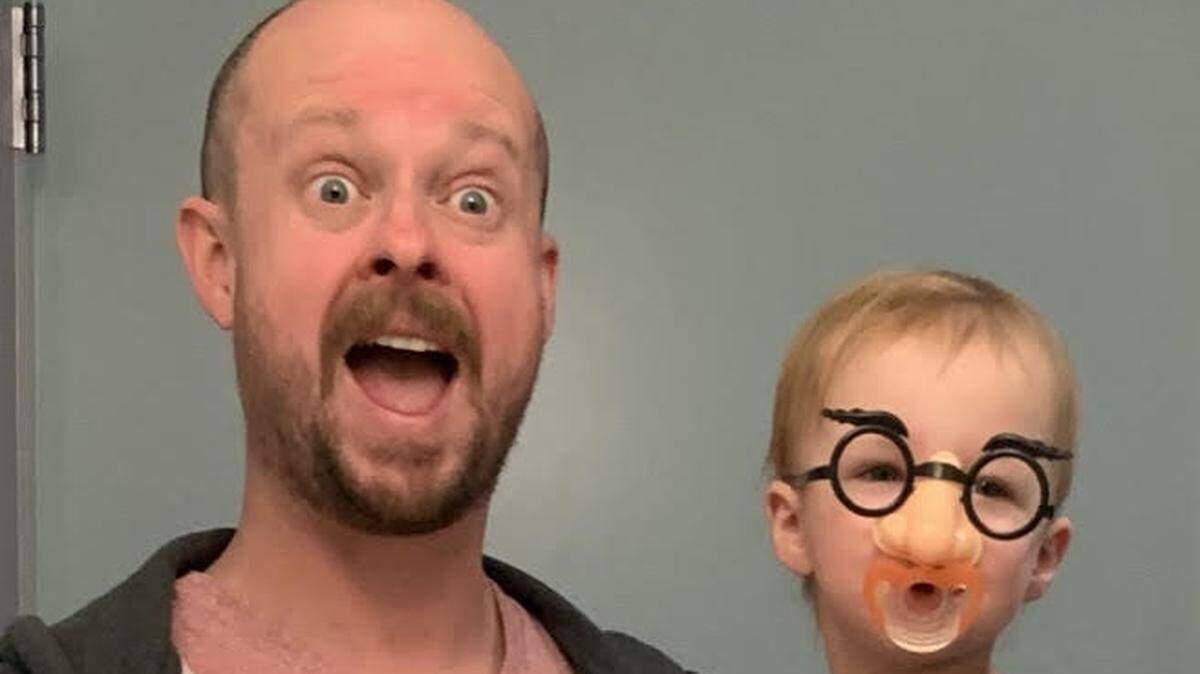
TCU English professor Jason Helms is one of a rapidly growing number of teachers and educators who are scared about the prospect of returning to the classroom when the academic year begins in about seven weeks.
He is 38, and he himself does not fall into any of the at-risk groups for contracting COVID-19.
However, the same cannot be said of his 2-year-old daughter, who has a rare heart condition that experts have said makes her vulnerable to the virus. Doctors advised Helms and his wife to avoid going out in public during the time of the coronavirus.
Helms’ desire is to teach his two fall classes at TCU in person, but because of his daughter’s condition he wants to do it remotely.
Earlier in the week, TCU appeared to be unwilling to give him that option, however, after pressure from faculty, and increased scrutiny from the media, TCU changed its policy late Thursday afternoon.
“This is not a request because I want to do this but it’s because I need to do this,” Helms said in a phone interview before the policy change. “We can totally do it, too. We all taught from home in the spring. They don’t want us to.”
TCU wants to provide an in-class experience for its students, although it will now allow professors to teach remotely in the fall of 2020.
“We won!” Helms wrote in a text message.
In an email sent to faculty on Thursday afternoon, TCU provost Teresa Abi-Nader Dahlberg wrote, “Based on the results of the Provost’s COVID-19 Accommodations Survey, discussions this week, and the evolving impact of the pandemic, the university will be providing additional flexibility for course delivery to both students and instructors.”
Helms is an example of a growing crisis in education. Teachers, especially older ones who are potentially in at-risk categories or caring for those who are, were fighting returning to the classroom in August to start the 2020-21 academic year with the nation gripped by coronavirus concerns.
Meanwhile, universities, such as TCU, are under financial strain to open their classrooms, and dorms, to offer the “full college experience,” which comes with it the higher price. The classroom is what separates a TCU, and other high-priced universities, from the less expensive, online learning “website” schools.
In a Zoom call with Abi-Nader Dahlberg and 300 members of TCU’s faculty on Wednesday night, the conversation grew tense.
According to people on the call, Dahlberg said that under the Americans with Disabilities Act (ADA) that TCU was not going to permit professors to work remotely as an accommodation because it does not work with essential work duties.
“She said, ‘We know that because it’s part of the core mission at TCU, because we have done it for 147 years,’” Helms said. “That’s when it all exploded.”
Faculty members, already upset by the school’s cuts to benefits and retirement packages announced in the past three months, expressed displeasure at the thought of being forced back into a classroom that could actually be a health hazard.
TCU chancellor Victor Boschini previously told the Star-Telegram’s Drew Davison, “We are asking each faculty member to do what they think is best for their individual course and their health and safety and that of their students. So far I have heard of about three to four different plans for how they will teach.”
Helms, who was on sabbatical during the spring semester, said that in May he was told that teaching online in the fall would not be a problem.
In following up on that request, Helms said that in early June he filed a claim with TCU because he was seeking to teach online under a provision in the ADA.
On June 17, Helms Tweeted: “A bit of personal news: I have requested the opportunity to work from home for the fall semester because of my daughter’s heart condition. I found out this afternoon that it was rejected because it is my child’s condition and not mine.”
The Tweet went viral. He was contacted by other professors and teachers who had the same concern, and media outlets.
Helms said he was contacted by TCU’s vice chancellor of human resources, Yohna Chambers. The two spoke on the phone, and she said Helms should apply through the Family and Medical Leave Act (FMLA). He said he has not heard from her since that call.
Chambers initially responded to an email to an interview request from the Star-Telegram Thursday at 3 p.m., but she did not respond to questions. A few hours later, TCU changed its policy.
Helms said he received dozens of emails and requests from teachers all over the United States who are finding themselves in a similar situations — they are fine, but they may live with someone who is at risk.
He has multiple notes from physicians who said, given the nature of his daughter’s heart, to limit contact outside of the home.
His daughter, Harper, was born in 2017. At birth, she was diagnosed with Transposition of the Great Arteries (TGAD). Shortly thereafter she required open heart surgery that lasted eight hours.
Helms said she gone into respiratory arrest three times. He said she has experienced frequent breathing episodes that have led to hospital visits.
“The cardiologist sent out a letter that said, ‘If Texas opens back up, you don’t open back up. You need to stay home for your child. If you work remotely, work remotely,’” Helms said.
His preference has always been to teach his courses, and now, after some anxious moments, he can from a more secure locale.
Editor’s note: The writer had previously worked at TCU, but is not employed there now.