
UIL’s split-division format has helped create great moments for Fort Worth area
Saturday’s baseball state championships at Dell Diamond in Round Rock closed the book on the first two-year cycle of the University Interscholastic League’s split-division format, and Texas high school sports haven’t looked quite the same since.
The overhaul was sweeping. Volleyball, softball, baseball and basketball were each carved into two brackets, with playoff teams sorted into Division I or Division II based on district enrollment.
UIL basketball, which once crowned six state champions, now hands out 12 titles. Two years later, the format has had ample time to settle in and is here to stay.
Here are the major takeaways:
Hitting the history books
For Texas high school sports historians, split-division doesn’t just change the game; it changes how you read the scoreboard of history.
The UIL still acknowledges state semifinal appearances in its annual programs, but no longer tracks them in its online archives. The old milestone of a “state tournament appearance” has quietly vanished, because the state tournament itself no longer exists. What remains is a new era that demands a new lens for measuring greatness.
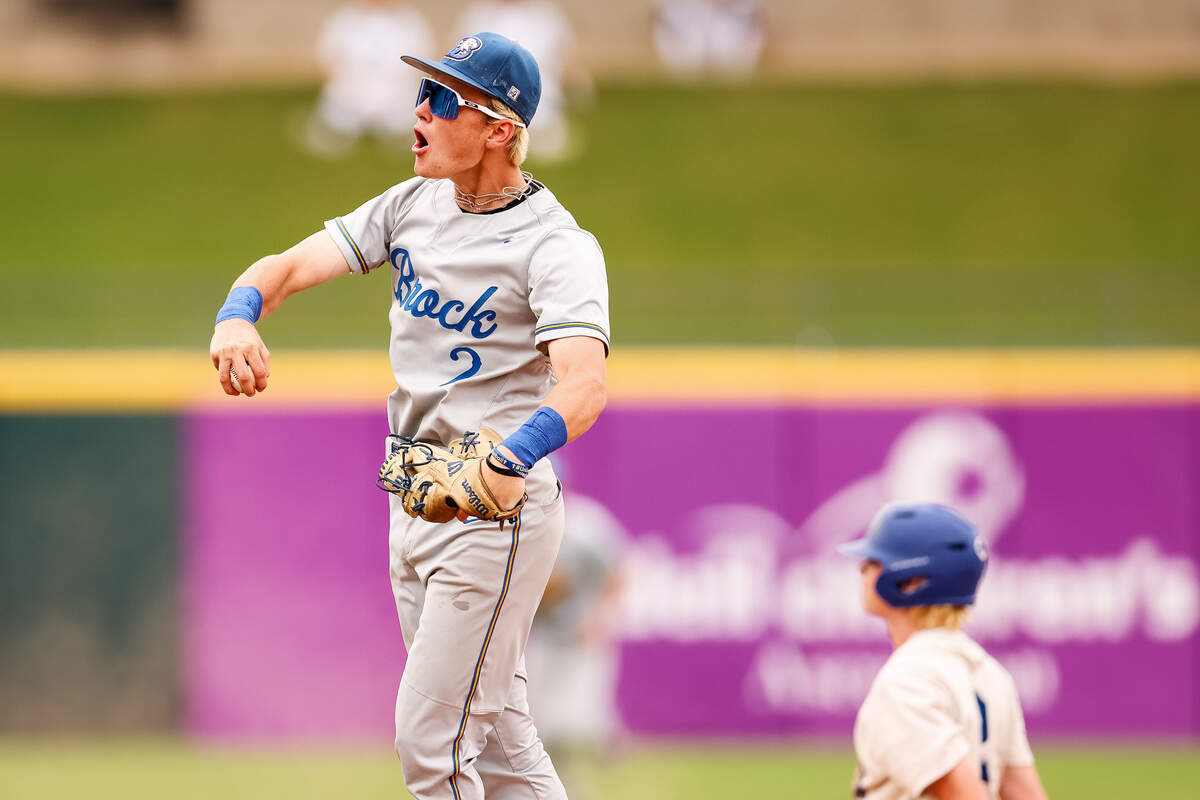
How will the history books view long-term success? Southlake Carroll baseball boasts five state championships, all earned before the bracket split. Aledo baseball has three, with back-to-back titles coming after.
Objectively, running the full gauntlet of a classification’s elite is a steeper climb. That’s not a knock on Aledo, a program that could have won either way.
But odds are that Carroll, or any team before the split, had a more challenging path.
Some say it’s easier to win in the new format. Others argue that the old one was unnecessarily difficult and lacked competitive balance. Both sides have a point, and neither is entirely wrong.
What’s harder to argue against is this: When kids hoist a state championship trophy, the last thing on their mind is the path they took to get there. The tears at the final buzzer are just as real.
The nerves, the grind, the late nights and early mornings — none of that changes because the bracket does.
Kids couldn’t care less about the team in front of them.
They just want to play.
High school sports will always evolve, and tighter enrollment divisions are a reasonable response to the growing talent gap between programs. Not every matchup has been a nail-biter.
Blowouts happen, and, no, teams aren’t guaranteed to face the very best in their classification. But the deeper question has always been less about competition and more about what community-based athletics is actually for.
Impacting strategy, experience
The split hasn’t touched every sport equally.
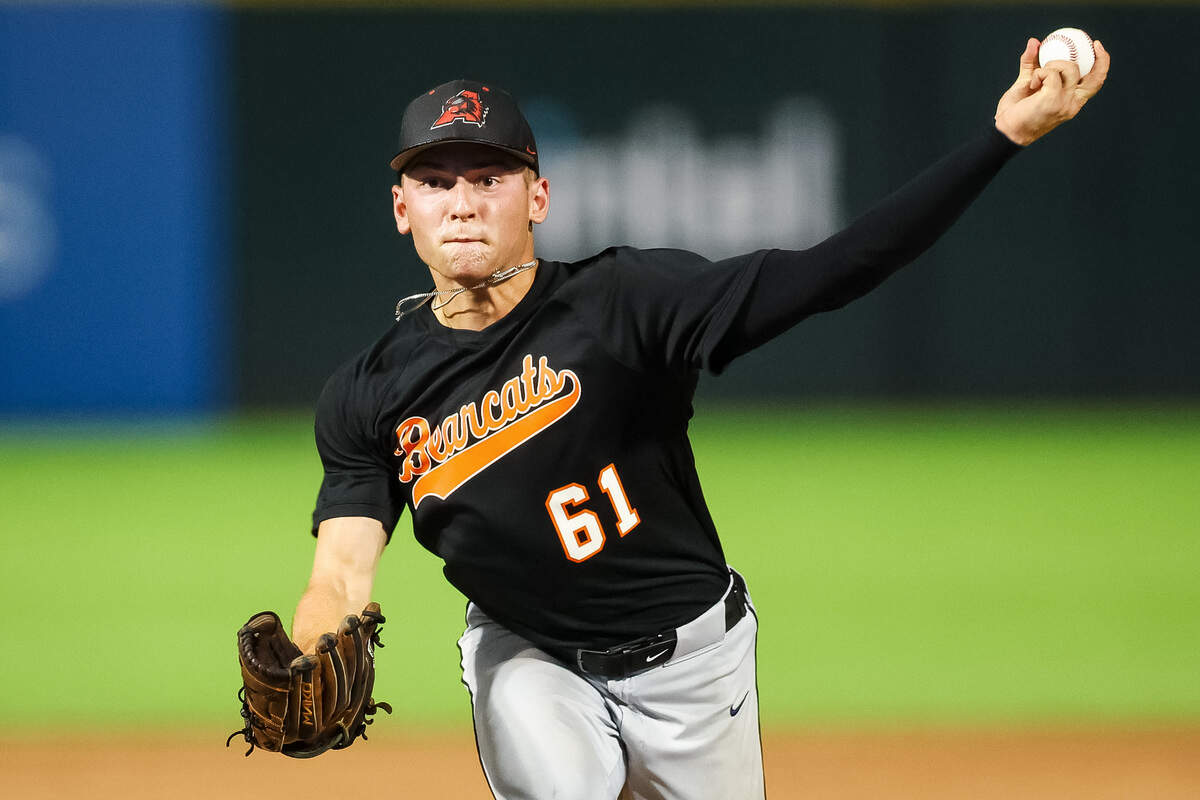
In baseball, the strategic shift has been dramatic. Best-of-three semifinal series replaced single-elimination death matches, rewarding programs deep enough to rotate multiple capable starters.
State championship games include well-rested arms and teams operating at full strength. That creates a situation where, regardless of what happened in the semifinals, you’re getting the other team’s best.
Basketball tells a different story. Under the old format, a trip to the Alamodome in San Antonio for the state semifinals was a tradition. It was a full weekend experience.
“Maybe we can change [the semifinal format] and keep the state tournament together,” said former Boswell girls basketball head coach John Reese after the 2025 Class 6A Division II title game. “Because the split of it — I don’t think it really gives the young ladies an opportunity to enjoy the full weekend.”
Reese’s argument carries real weight. But something unexpected has filled the void: state semifinal games at neutral sites like Fort Worth ISD’s Wilkerson-Greines Activity Center.
Those neutral-site semifinal matchups have quickly become some of the best nights on the UIL calendar. The Alamodome, a 72,000-seat cathedral that always needed curtains to feel intimate, can’t replicate the electricity of a sold-out gym where you can feel the tension in the air.
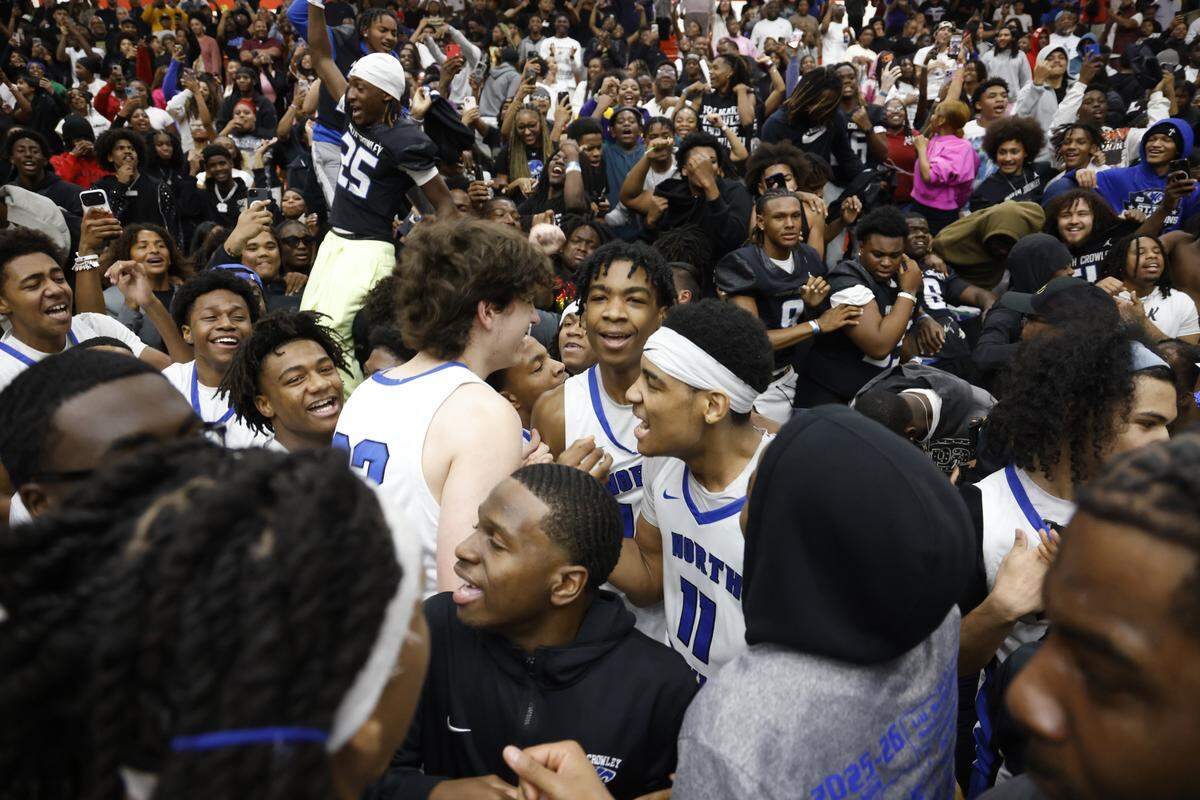
Those are the nights where tickets move hours in advance, you can’t hear yourself think, and the kids play the biggest game of their lives in front of the loudest crowd they’ve ever heard.
That’s a memory for life, one that rivals a state semifinal game in San Antonio.
Giving more communities a chance to shine
There’s a tendency to fixate on whether split-division waters down the competition. But for the communities and teams that have never held a trophy, that debate misses the point entirely.
High school sports, at its core, isn’t about deciding who’s best in Texas. It’s about a group of teenagers chasing a goal together, building work ethic and forging friendships that outlast the season. Winning a state title is the fruit of that labor, and split-division has let more communities taste it.
Fort Worth is one of Texas’ largest cities with over 1 million residents, yet has been underrepresented at UIL state events.
For the city, the last two years of split-division have changed that.
In 2025, Boswell gave Eagle Mountain-Saginaw ISD its first girls basketball state title, ending an 18-year championship drought for Fort Worth.
That same year, Eagle Mountain became the first school to carry the city’s banner to a volleyball state championship.
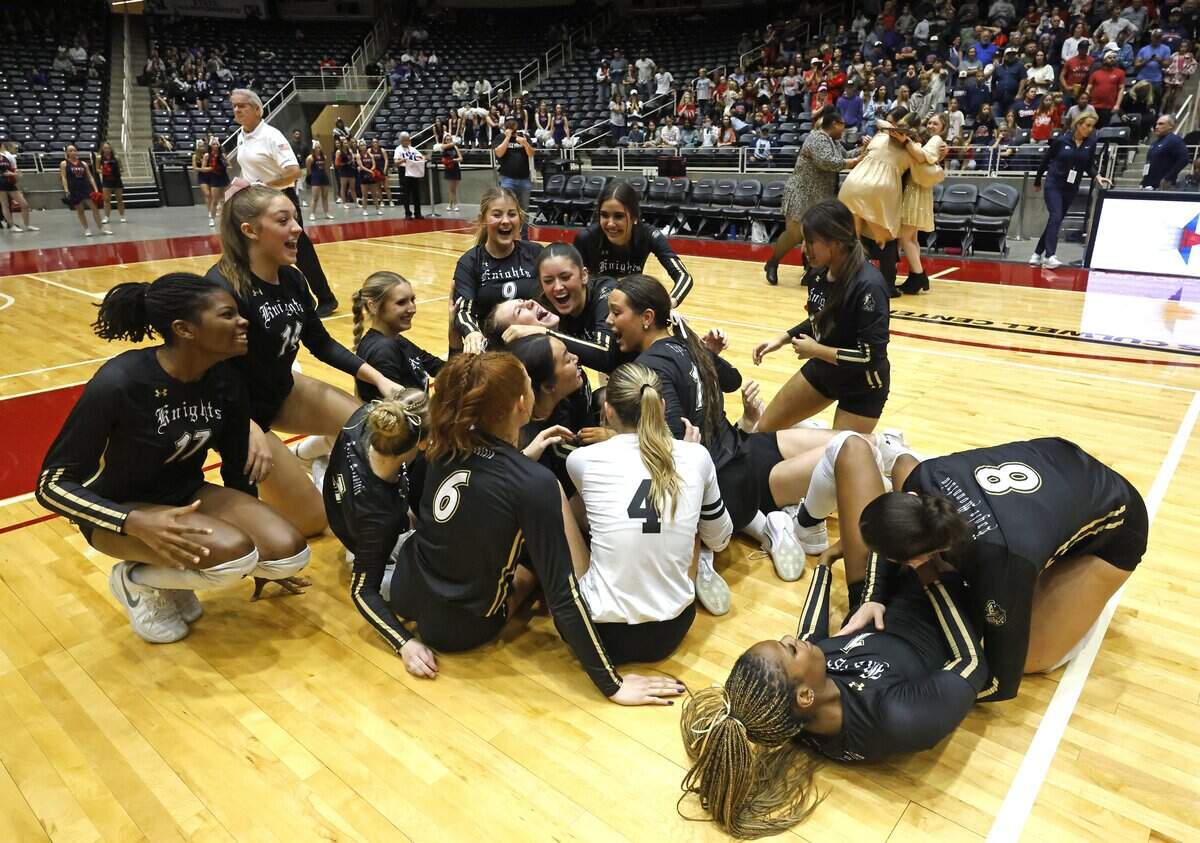
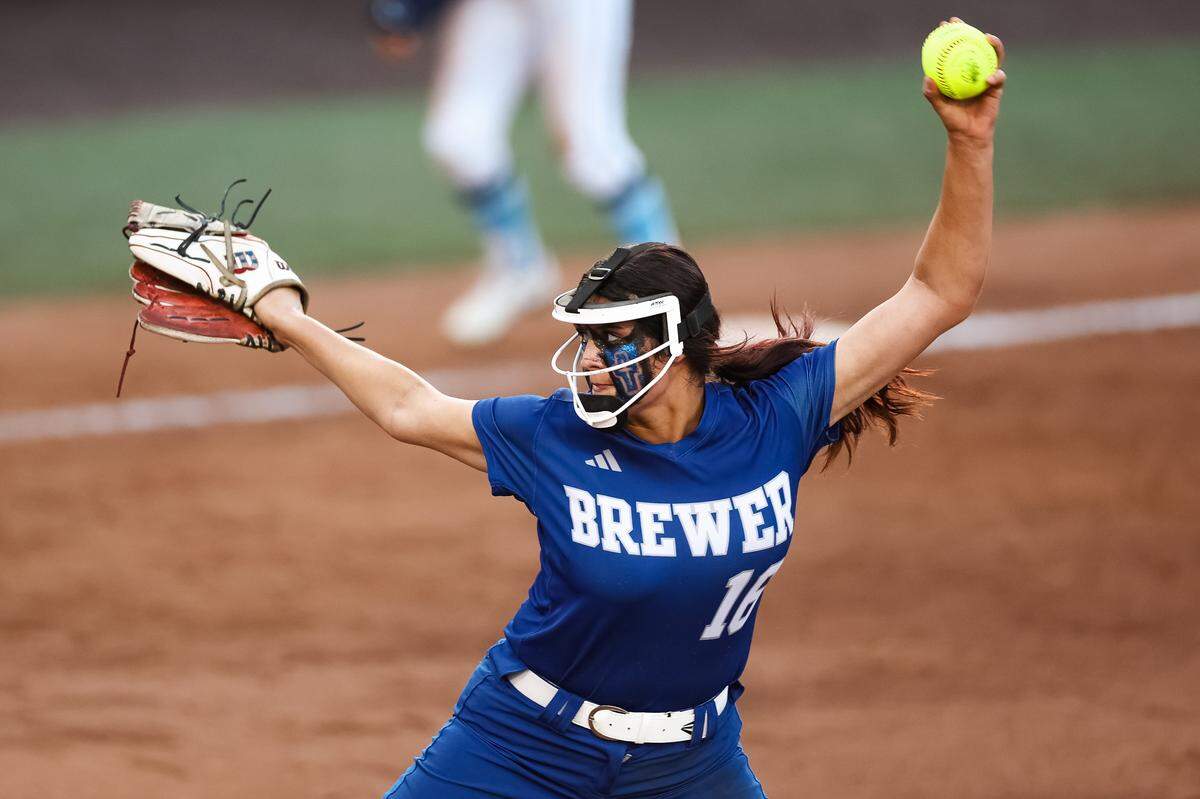
In 2026, North Crowley brought home the first boys basketball state title for a school inside Fort Worth city limits in 18 years. White Settlement Brewer added its own chapter, becoming the first school within city limits to play in a UIL softball state championship.
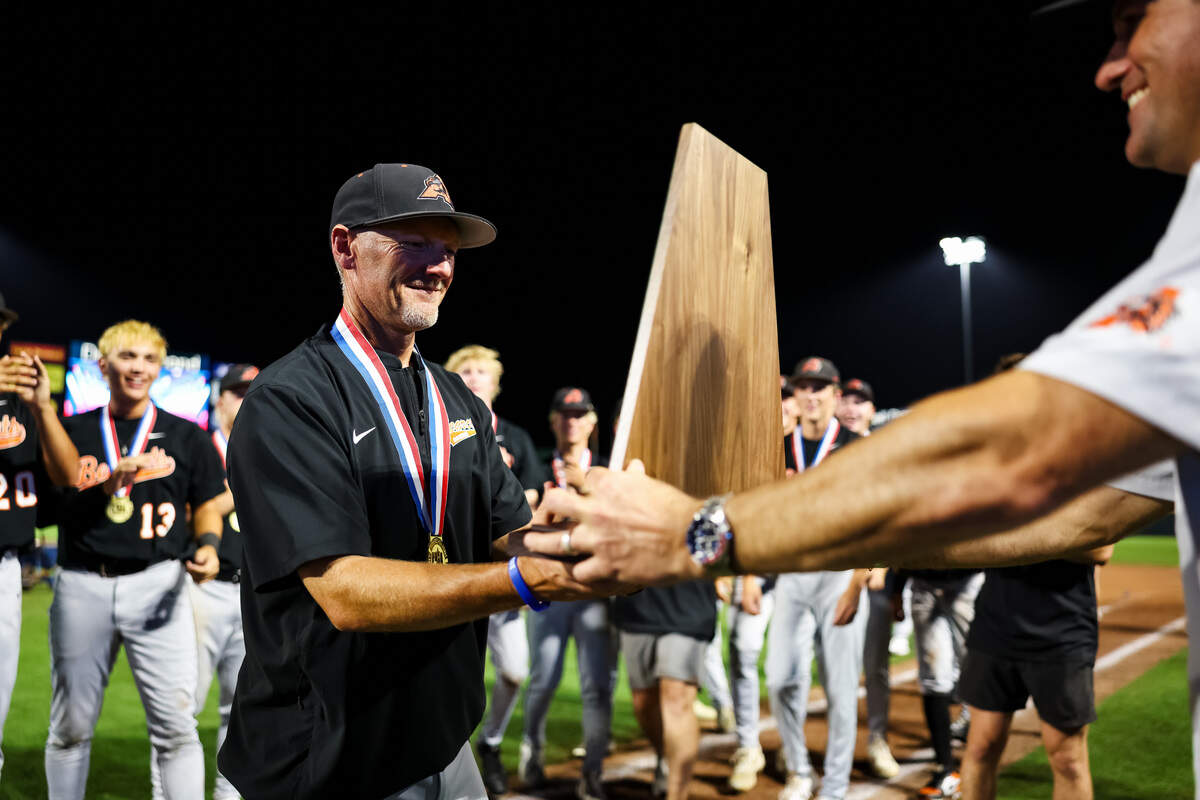
Then there’s Keller baseball. After making the playoffs every single season since 2002, the Indians finally broke through, capturing the program and the city of Keller’s first state championship.
It was the first in Keller ISD’s history.
Longtime head coach Rob Stramp walked off the sideline into retirement with a gold trophy in hand. It doesn’t get more storybook than that.
Could all those programs have won without split-division? Maybe. Each team was dominant enough. But double the opportunity provides a bigger chance for a moment that defines a school, a season and a community.
And for every kid in the Fort Worth area watching from the stands, seeing their hometown on the UIL’s grandest stage matters more than any bracket debate ever will. It plants a seed, sets a standard and lets young athletes know that anything is possible with the right mindset.
.jpg)