Ever wonder how bull riding is scored? Get educated for PBR Finals in Fort Worth
The PBR World Finals begin Thursday in Fort Worth, pitting some of the best bull riders against each other to compete for a $3.3 million purse.
The event starts at Cowtown Coliseum on Thursday through Sunday, then moves to Dickies Arena for the final rounds May 14-17.
PBR co-founder Cody Lambert, who works with No. 2-ranked rider in the world Brady Fielder as head coach of the Fort Worth-based Texas Rattlers, sat down with the Star-Telegram to explain how the scoring works for eight of the craziest seconds in sports.
While that’s a short amount of time, on top of a bull it can feel like years. Lambert explained the sport’s deceptive simplicity.
“The bull’s trying to get out from under you, and the rider’s trying to stay on,” he said. “That’s basically the concept of bull [riding], right? It’s as simple as a sport can be, but it’s one of the most difficult, because you’re dealing with an animal that’s so big — you know, the average bucking bull weighs about 1,700 pounds — and then they’re strong, fast and athletic and dangerous. You’ve got the physical factors, but you also have the psychological factors — the fear you can die doing this.”

The event is graded by two judges whose scored are averaged.
“There is a pool of professional judges, and they have to go through judge training, clinics and seminars to learn how to judge, and then they’re allowed to judge the smaller events,” Lambert said. “... There’s a ranking system for them for how consistent they are with their scores. Usually when they start out at the lower-level events, a veteran will be paired with a rookie, and that way, they can keep track of their average scores and things like that.”
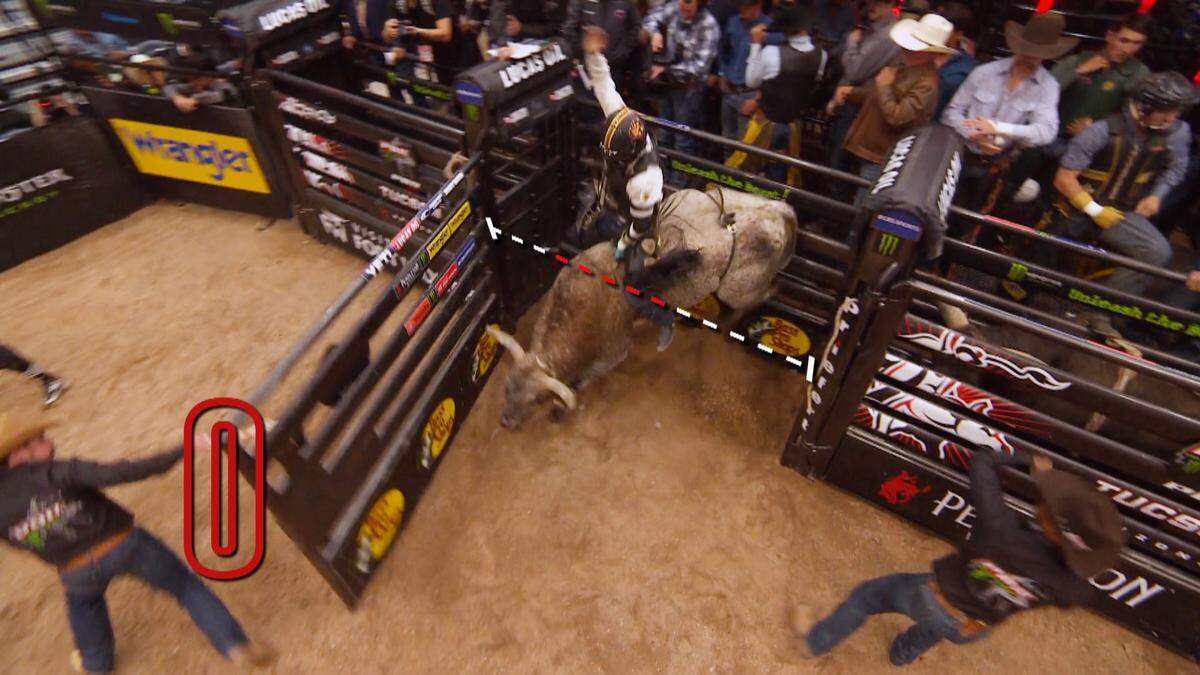
The ride starts once the bull’s shoulder or hip breaks the plane of the gate, and then the rider will try and hold on for eight seconds.
The judges look for several factors to score the riders, including control, rhythm and timing.
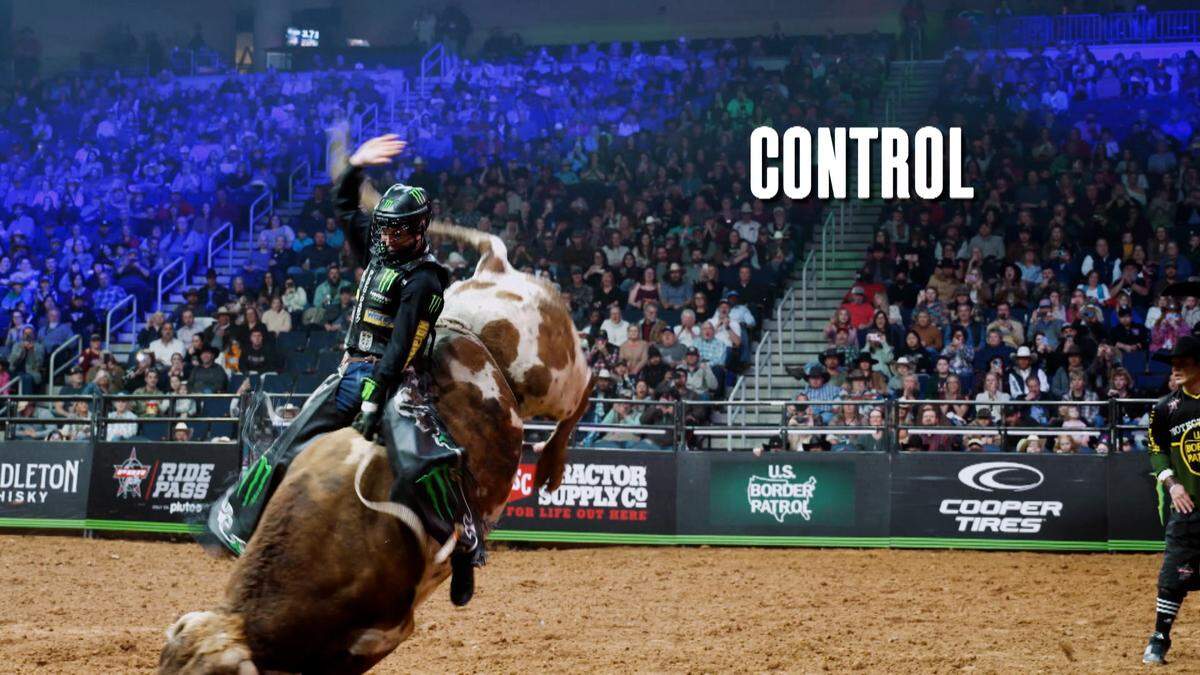
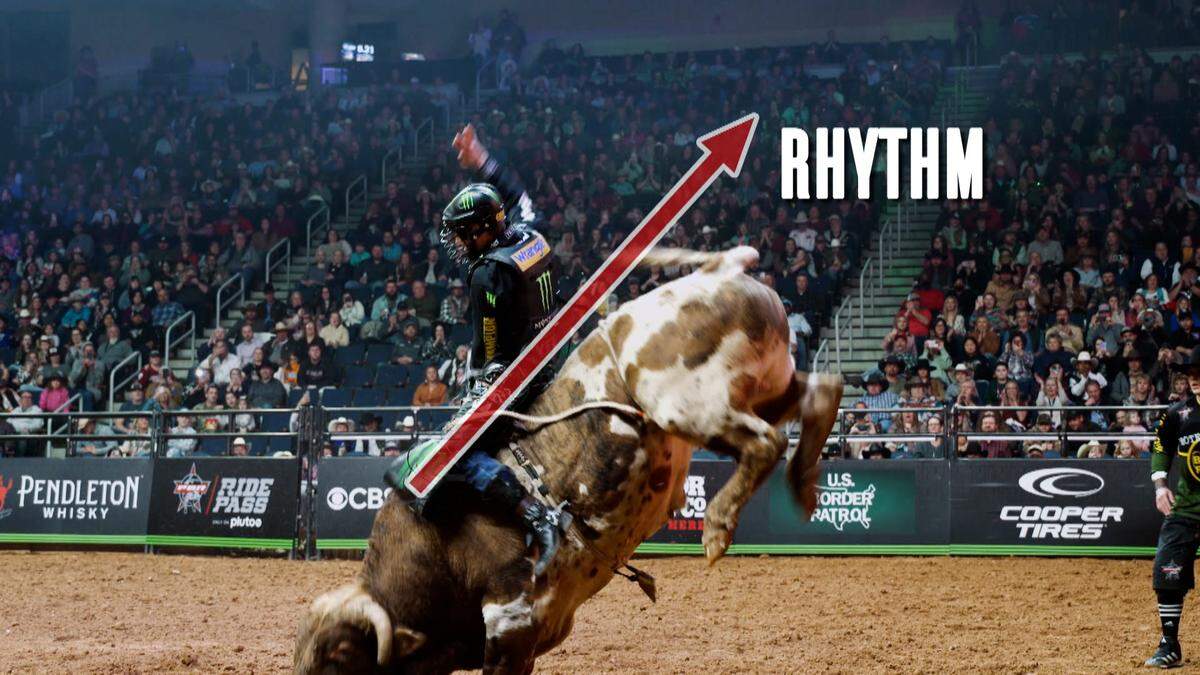
Lambert said these principles haven’t changed much since he rode in the 1980s and ‘90s.
“The fundamentals are exactly the same, and they will never change. Balance is balance, the truth is the truth, and the bull’s trying to get you off, and you’re trying to stay on,” he said. “The bulls are better. You’ve got to do the same fundamentals, but you just got to do them better. There’s less room for error than there was when I was riding.”
Riders receive a “no score” if they don’t last eight seconds, if they touch the bull with their riding hand or if they place their free hand, which must remain in the air, onto any equipment or the bull.
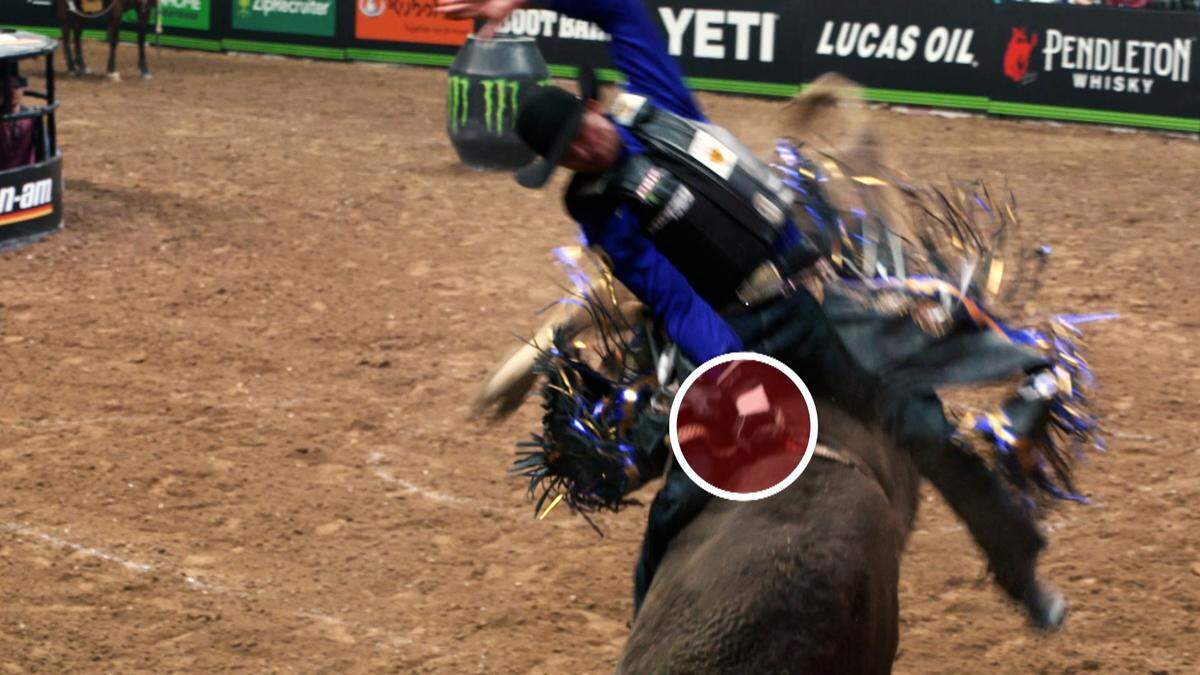
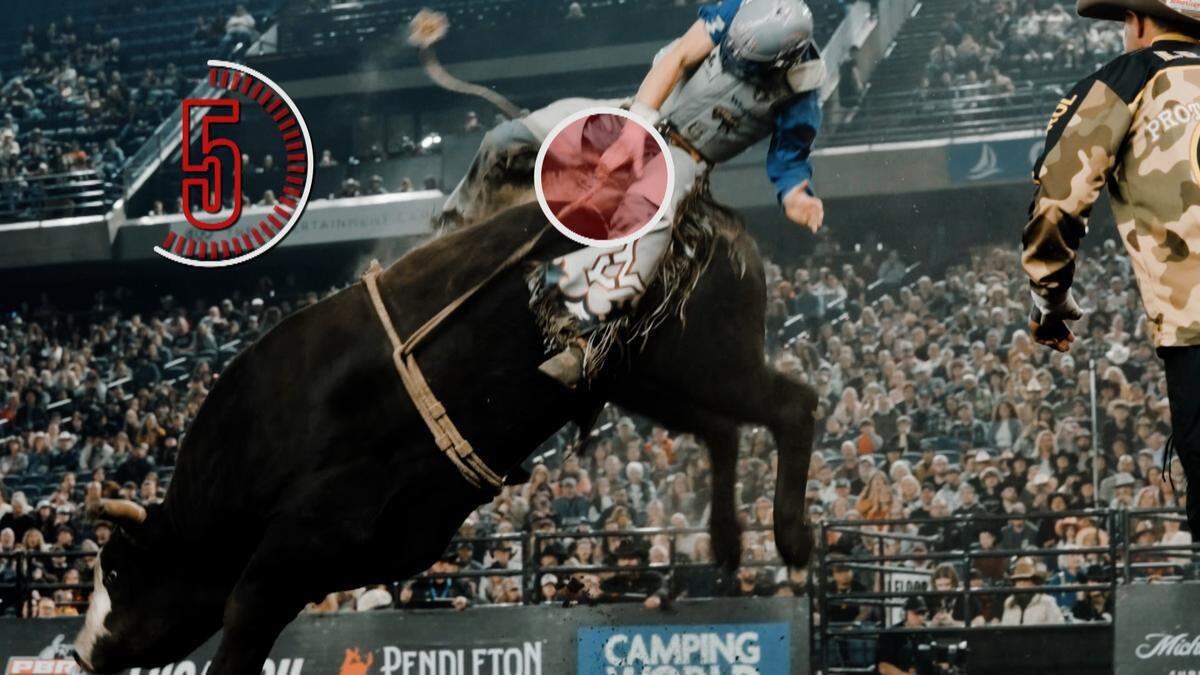

If the bull is deemed unfair, riders can request a re-ride by throwing a red flag to get another chance, but it wipes out their previous score.

To get the score, riders account for 50 points, 25 from each judge, and the bull accounts for 50 points for a total of 100 possible points.


The bull’s score is critical, Lambert said.
“Bull score dictates what the rider score is going to be,” he said. “... So scoring is really dependent .on how difficult the bull was to stay on. The harder the bull is to stay on, the higher he scores, therefore the higher chance the rider has to score if he’s able to stay on it.
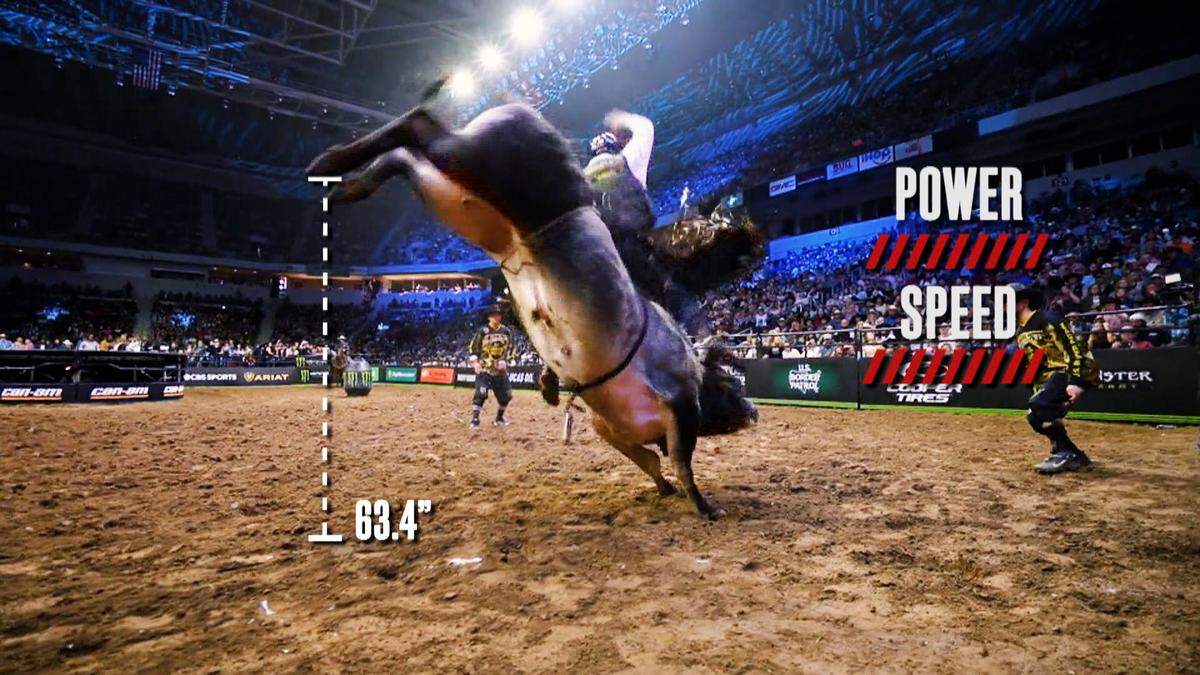
“So a bull is judged in five categories. The first category is called the buck, and that’s really basically how high the jump is. Second category is called the kick, and that is how vertical they get, how steep they get when they kick up with their back feet, how high their back feet get, how high and how steep their back gets.
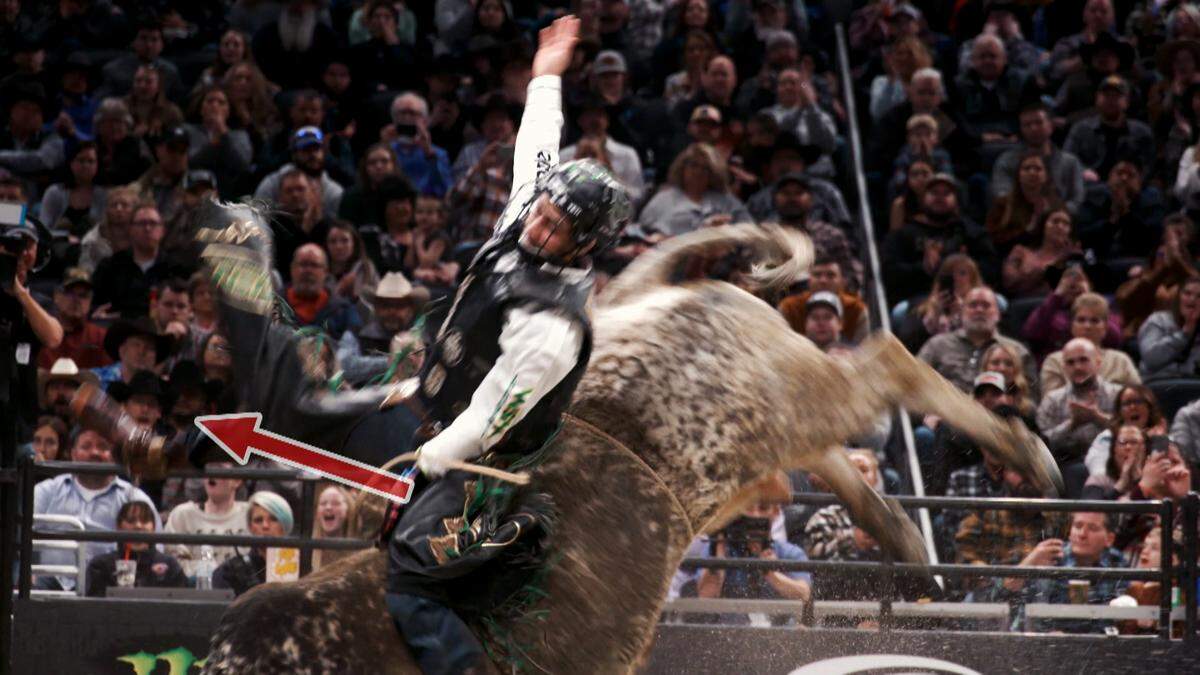
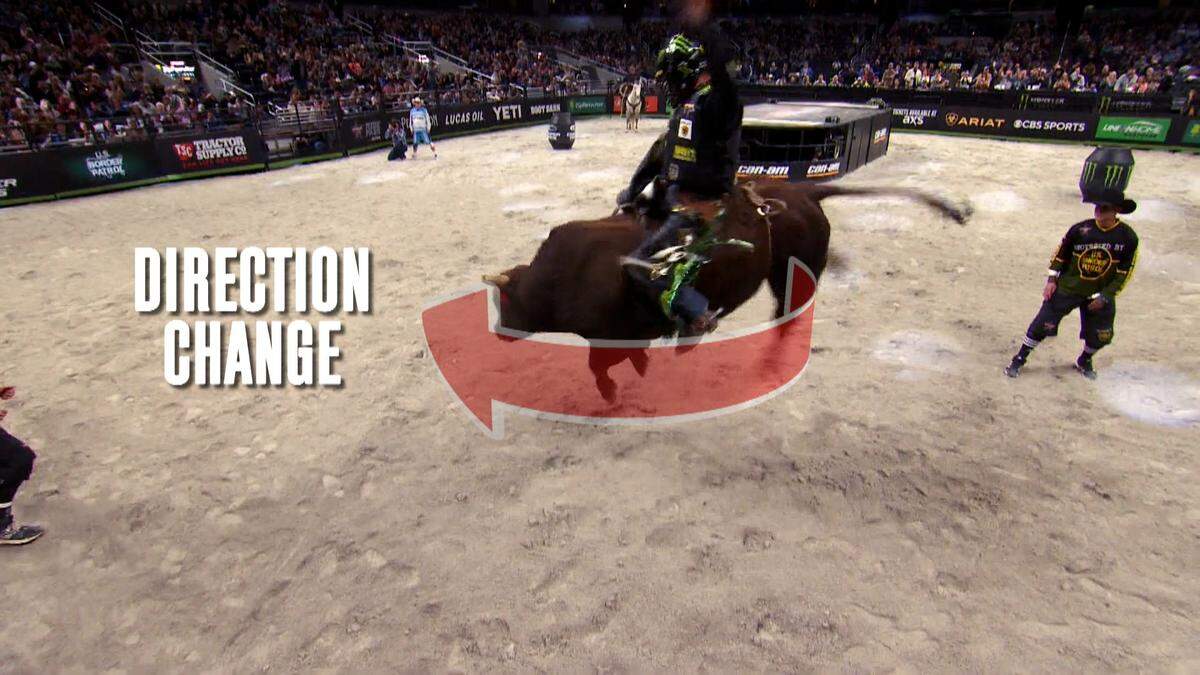
“The third category is direction change, so if a bull is spinning, he’s constantly changing directions, and it makes it harder to stay balanced on him, because gravity wants to whip you to the outside. So the center of gravity on a bull that’s going straight is a lot easier to find than one that is constantly turning, because it’s trying to throw you off the sides as well.
“The fourth category is intensity, and that’s where the judges really come in, is understanding intensity. It’s just how hard the bull’s trying to throw the rider off. The fifth category is all of it rolled into one, and it’s called degree of difficulty.
“... And so if a bull scores from one of the judges, he scores a 22 and the rider is able to maintain balance and correct posture throughout the ride and stay centered, and he makes the eight seconds, then he’ll get a point over the bull. So that would be a 23, that would be a 45 from each judge. That would be a 90-point score on that type of a bull.
“So the full score really, really matters. And the bulls are scored every single ride. Even if the rider’s unsuccessful — the rider will get a zero if he doesn’t provide eight seconds — but the bull will be scored anyway, and that score is just for the bull’s record, so they know where he stacks up.”
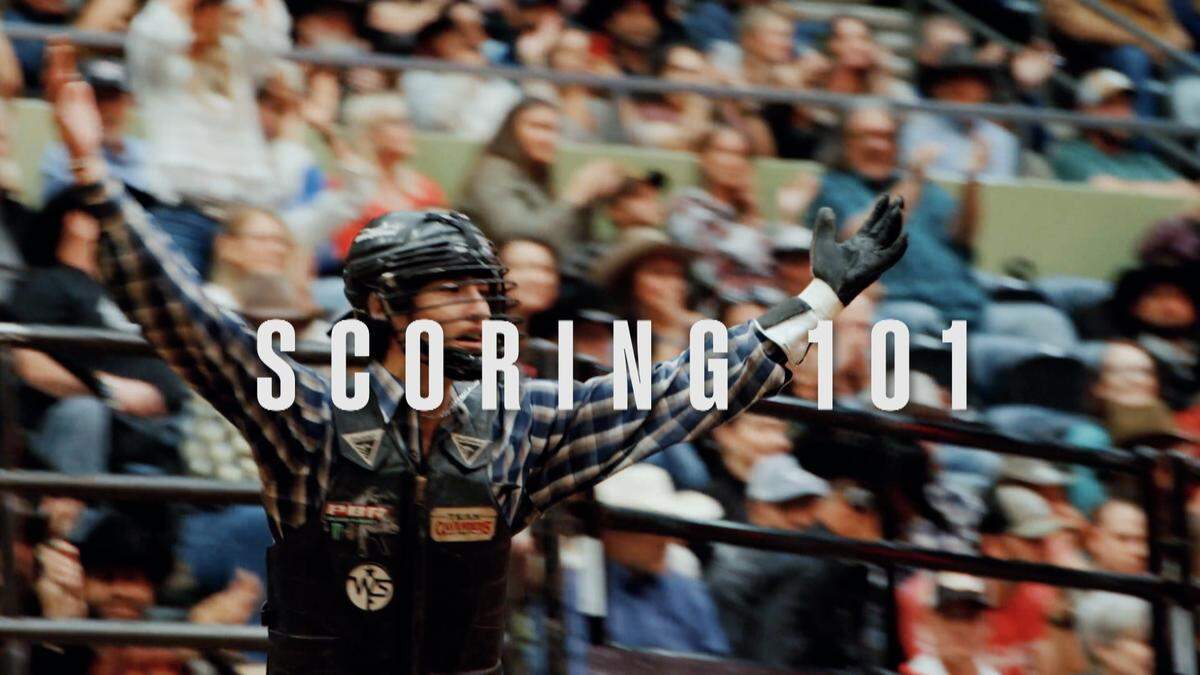
Fans can watch the PBR World Finals beginning at 8 p.m. on Paramount+.
This story was originally published May 7, 2026 at 5:00 AM.