
The Dangers of Drunk or Drowsy Driving
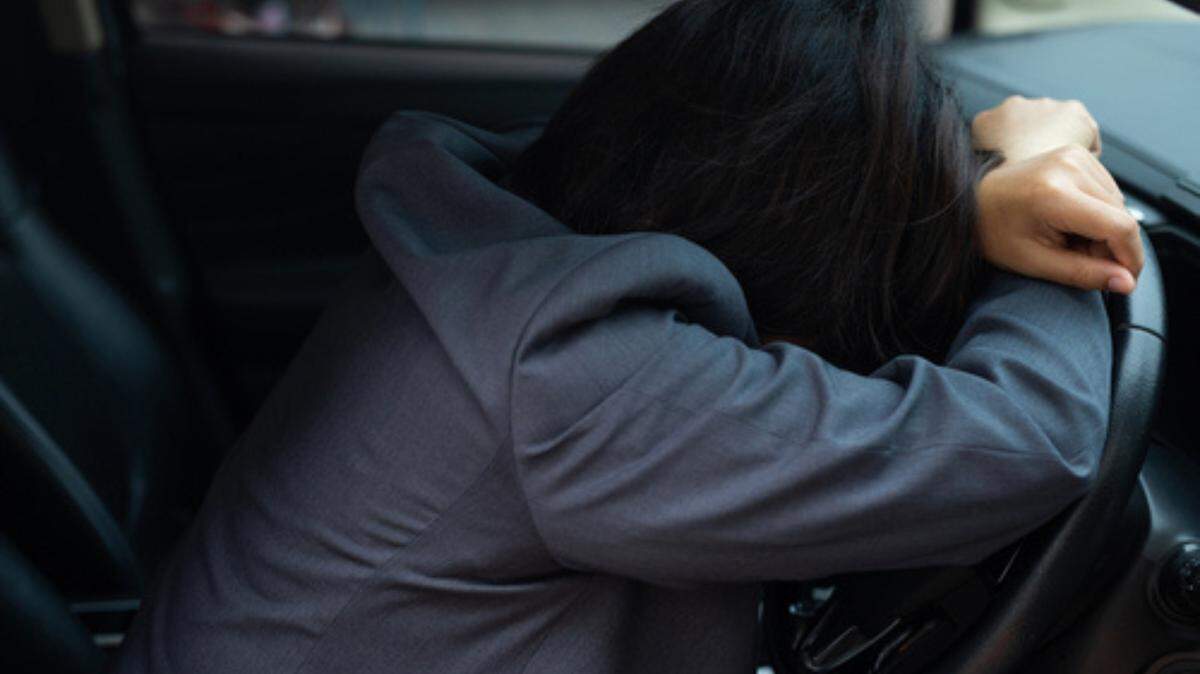
A person’s ability to operate a vehicle safely depends on their ability to remain alert and maintain control. When a person is under the influence of alcohol or is fatigued, the risks of a car accident will increase significantly. Understanding how alcohol and fatigue can affect the body and mind can demonstrate why these forms of unsafe driving can lead to severe consequences. For these reasons, people can face serious penalties when they drive while impaired.
How Alcohol Affects Drivers
Alcohol is a depressant that affects the central nervous system. Even small amounts of alcohol can affect a person’s mood, their sensory abilities, and their physical coordination. As blood alcohol concentration rises, these effects become more pronounced. Drivers who are under the influence of alcohol may experience:
- Reduced Reaction Times: Alcohol will affect the brain’s ability to process information quickly. This can make it difficult for a person to recognize potential dangers and respond quickly to changing traffic signals, slowed traffic, pedestrians, or unexpected hazards.
- Impaired Judgment: People who are intoxicated will often underestimate risks and overestimate their abilities. This can lead them to engage in unsafe behaviors like speeding, erratic lane changes, tailgating, or other traffic violations.
- Poor Coordination: Steering, braking, accelerating, and other aspects of driving will require precise physical control. Alcohol disrupts a person’s motor skills, which can affect their control of their vehicle.
- Blurred Vision: Alcohol can affect depth perception and peripheral vision, increasing the likelihood that a driver will misjudge distances or fail to notice nearby vehicles or pedestrians.
- Difficulty Concentrating: It is essential for drivers to be able to maintain close attention to the road. Alcohol can affect a person’s ability to focus on driving, which may cause them to miss important details and become involved in a drunk driving accident.
Drowsy and Fatigued Driving
For drivers, fatigue can be just as dangerous as alcohol intoxication. Long work hours, overnight shifts, sleep disorders, and extended periods of driving can all contribute to exhaustion. Fatigued drivers may experience issues such as:
- Slowed Reaction Times: Sleep deprivation can delay a person’s mental processes in a manner similar to alcohol impairment.
- Reduced Attention Span: Fatigue can make it challenging for a person to remain focused on the road.
- Mood Changes: Irritability and frustration may increase when a person is tired, which could lead to aggressive driving.
- Microsleeps: A person who is fatigued may experience brief, involuntary episodes of sleep that can last a few seconds.
DUI/DWI Charges
When a person drives after drinking alcohol, they may not only be responsible for causing an accident, but they may also face criminal charges. A person may be arrested for driving under the influence (DUI) or driving while intoxicated (DWI) if police officers who come to the scene of an accident believe that they were under the influence of alcohol while driving.
The penalties a person may face if they are convicted of DUI or DWI may include:
- Fines: Monetary penalties can range from hundreds to thousands of dollars.
- License Suspension or Revocation: A person’s license may be suspended if their BAC was over the legal limit, and a suspension or revocation may also apply if they are convicted of a drunk driving offense.
- Jail Time: Depending on whether a person has any previous DUI convictions, they could be required to serve time in jail. Incarceration will be more likely if a person has multiple DUI convictions, had a very high BAC, or caused an accident that resulted in injuries or death.
Legal Consequences of Drowsy Driving
While drowsy or fatigued driving may not lead to criminal charges as serious as DUI or DWI, a person who is accused of driving unsafely may still face penalties. A fatigued driver who is accused of causing an accident may be charged with reckless driving, which is also a criminal offense that could lead to penalties such as fines, jail time, and license suspension. More serious criminal charges may apply if an accident resulted in someone’s injury or death.
Legal Help for People Involved in Drunk or Drowsy Driving Accidents
The legal issues that may affect car accidents involving a driver who was intoxicated or fatigued can be complex. Victims of injuries may be able to take steps to recover financial compensation. People who are charged with DUI/DWI or reckless driving will need to determine how to defend against criminal charges. An experienced attorney can provide guidance in these matters, helping the parties involved in accidents determine how to resolve their legal concerns effectively.