It could take swing states a week to know who won presidency? Texas has the answers | Opinion
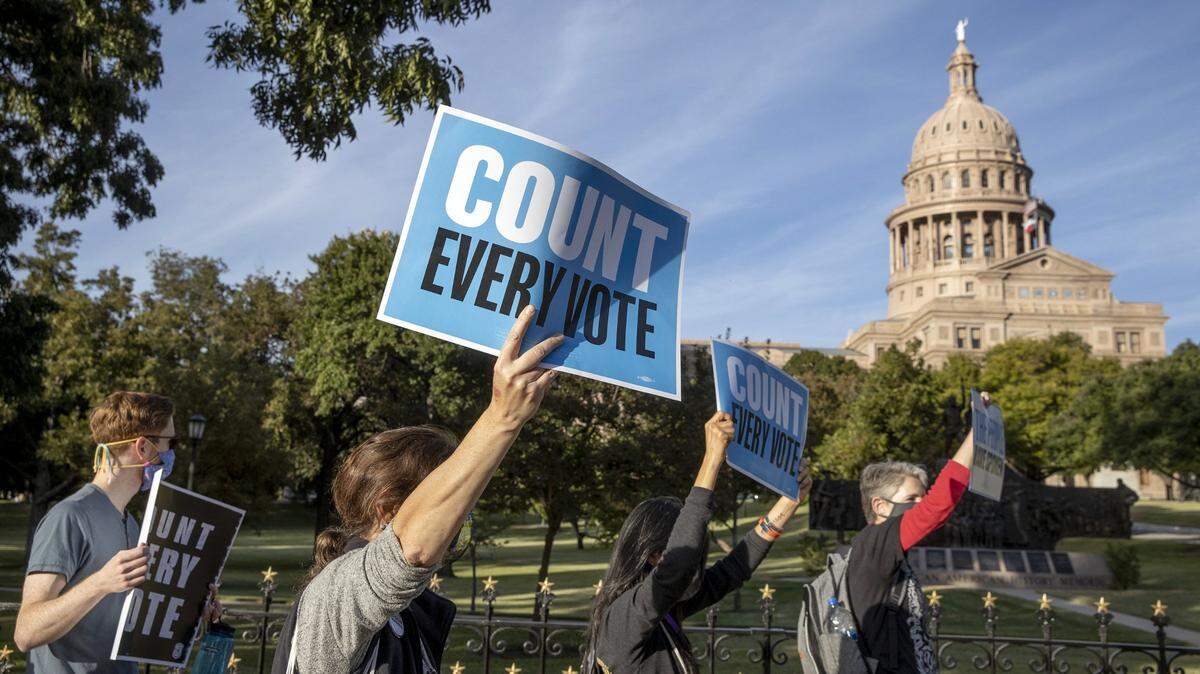
Warnings are already mounting: Don’t be surprised if we don’t know on election night, Nov. 5, who won the presidency.
It appears to be a historically close race between Kamala Harris and Donald Trump, after all. Some states will have to wait for nearly every ballot to arrive, be processed and be counted. It’s not unusual, especially in a nation so evenly divided.
All fair points. But if just a few more states would do things the way Texas does, we could lessen days of uncertainty — and thus suspicion — about the results.
Pennsylvania and Wisconsin are the main culprits. They are perhaps the likeliest states to determine the Electoral College results. And both, maddeningly, decline to do what Texas and smarter swing states, such as Arizona and Georgia, will do.
When election administrators in Texas counties release the first batch of actual results Tuesday night, they will include the complete tally of votes cast early — both by voters who showed up in person the previous two weeks and those whose mail ballots arrived before Election Day.
That’s typically a large percentage of the vote. It will tell us quickly which races are close and which may be over. Thanks to days of painstaking work allowed, and in some cases required, by state law, Texans can usually be sure they’ll know who won even the closest races by the next day, at the latest.
Texas law attempts to balance security, transparency and efficiency. Ballots cast early cannot be tabulated until Election Day, and they must be securely stored with rigorous measures specified under the law. But in the largest counties, including Tarrant, elections officials can begin the work to count those ballots after early voting ends Friday night.
The time is needed, an official in the Texas Secretary of State’s office notes, for tasks such as determining if write-in votes should count. County officials will work all weekend and Monday, if necessary, so that votes can be tabulated and released — but only after polls close Tuesday. Extra time on the front end relieves pressure when anxious candidates and voters are waiting for information on election night.
Mail-in votes, the subject of so much consternation, can be prepared ahead of time for counting. Voter signatures can be checked as votes roll in, as long as the transparency requirements for the county’s Ballot Board are met. That provides time for a voter to correct an error that might disqualify a vote, even as late as Election Day.
Deadlines are aggressive. Mail ballots sent within the U.S. must arrive within a day of the election. (Overseas ballots, including those for members of the military, have several more days to work their way here.) Counties must complete their counts within 24 hours.
In Wisconsin and Pennsylvania, the law prohibits the kind of advance work that Texas encourages. Ballots that could be processed and prepared for immediate tabulation are left to sit until Election Day. In Pennsylvania, they can’t be tabulated until the polls close on Tuesday. That, and the closeness of the race between Trump and Joe Biden, is why it took several days to determine the winner in Pennsylvania in 2020.
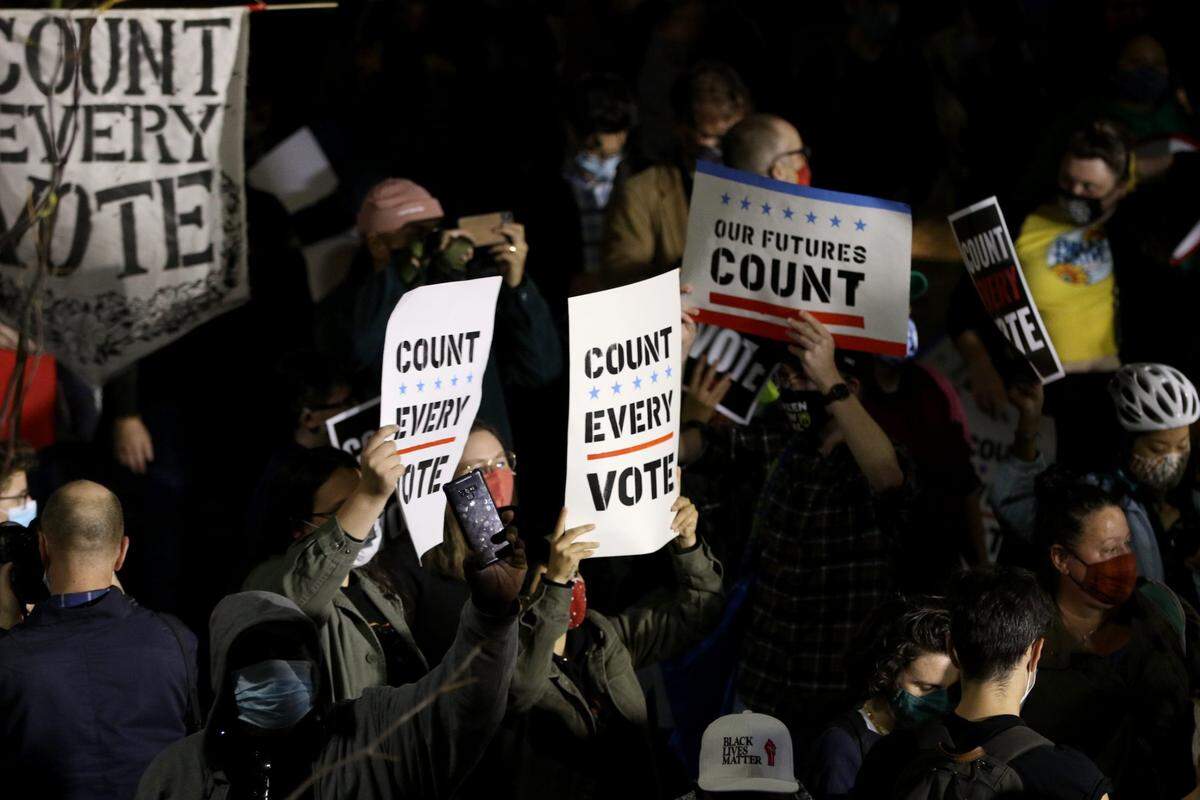
That combination undermines confidence in the election. In 2020, Trump and some of his supporters over-simplified the narrative, noting that Trump led early tabulations but that the lead switched as more votes came in. That’s not fraud; it’s math.
But trust in elections is built upon transparency and efficiency. It doesn’t take a conspiracy theorist to watch a process so unnecessarily delayed and wonder: “Could someone be using that to game an advantage?” Beyond the swing states, New York and California can take weeks to determine congressional winners, another blow to faith in elections.
The partisan leaning isn’t clear-cut, though. Some lawmakers in both swing states tried to improve their processes since 2020, but they ran into opposition, often from Republicans.
Maybe it will be moot; maybe the election breaks one direction or the other and it’s obvious, even if not entirely official, who won by the end of the night. It happened as recently as 2012 and 2016, although that year, Trump’s win wasn’t confirmed until well after midnight.
But if not, trouble will ensue. It would be a simple change for more states to follow the lead of, say, Georgia, where the top elections official said recently that he expects all but a handful of votes to be counted on election night.
In Texas, no one expects anything different. Any number of problems are possible — results could be delayed if judges order counties to keep polling locations open late because of equipment problems. Harris County, which faces the dual challenges of incompetence and sheer size, could keep us wondering whether Ted Cruz or Colin Allred will head to the Senate.
Texas elections are far from perfect. It’s too hard to register to vote. Our booming urban and suburban areas need better infrastructure to reduce wait times, and there’s a perpetual challenge of recruiting enough workers to get through an election cycle.
But when it comes to counting, when tensions and suspicions can run high, we know what we’re doing. We’ll quickly know the results of almost every election in the state and have ample reasons to be confident in them.
Every state could operate this way. It makes you wonder why some don’t.
This story was originally published November 1, 2024 at 5:31 AM.