Girl Scouts are great. But the Thin Mints and Samoas? They’re poison that we don’t need | Opinion
There you are, clinging to your New Year’s resolution, sweating those extra holiday pounds. And before you can even hang clothes off that new exercise bike, here they come.
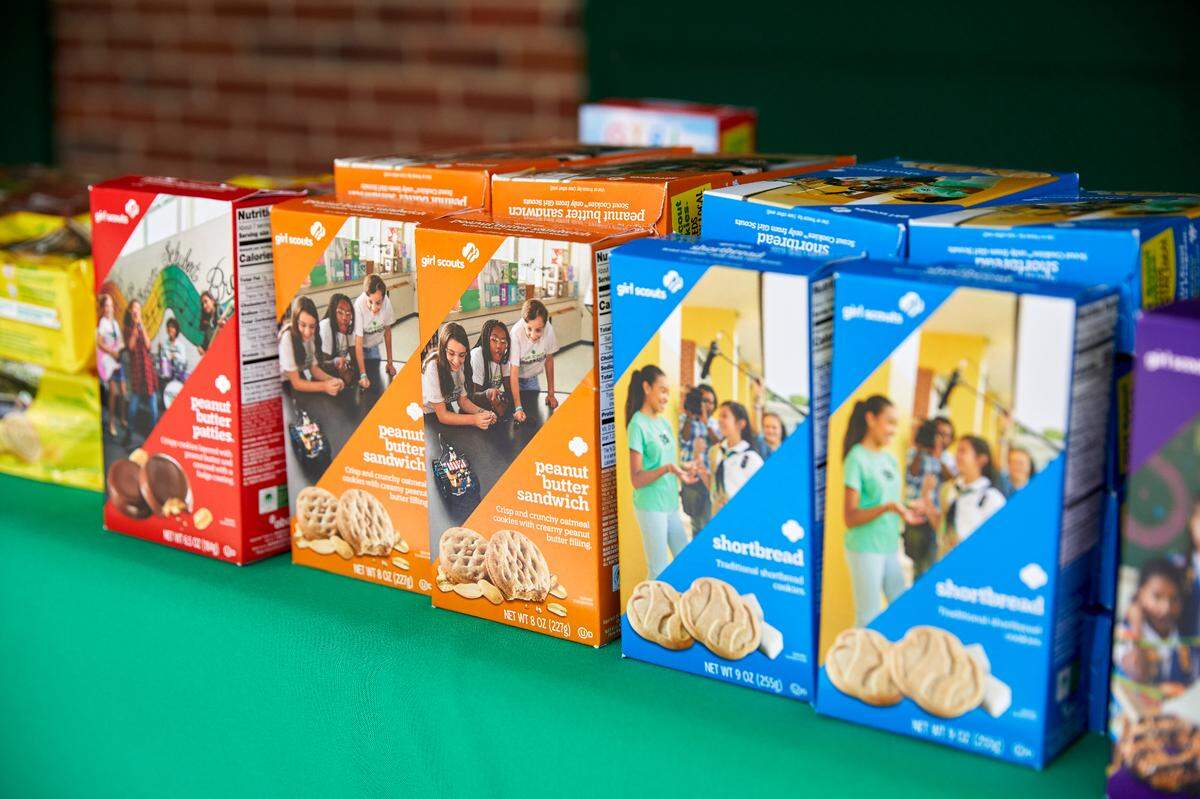
Thin Mints. Do-si-dos. Diets don’t stand a chance in the face of Girl Scout cookies.
They’ve become an American ritual. People delight when their cubicle neighbor shows up with an order form or they see brave troopers willing to pitch strangers from a table outside the grocery store.
If we’re ranking culpability for the nation’s health and weight problems, Girl Scout cookies are waaaaaay down the list.
But Americans are drowning in sugar. Sodas, juices and the obvious sweet foods get the bulk of the blame. Look at any processed food label, though, and you’re likely to see sugar in a product that you would never expect, such as mayonnaise.
Many “sugar-free” products come with sweeteners by another name, such as maltodextrin, cellulose or dextrose. There are dozens, hidden behind impenetrable chemical names or sounding downright healthy. “Monkfruit” surely can’t be bad for you.
In Texas, the cookie dilemma is compounded by the timing of scouts’ big fundraiser. Before we can shed at least what we added from holiday egg nog and Grandma’s rum balls, here comes your lone shot at those Samoas you crave.
At least the timing has a purpose. Around here, cookie sales better happen in our brief cold period, or scouts may be delivering a product obliterated by the Texas sun.
“No one wants melted, messy cookies,” said Maria Gregorio, market coordinator for the Girl Scouts of Texas Oklahoma Plains.
And you have to participate, right? What kind of monster wants to deny young girls a chance to learn entrepreneurship and project management, to go to camp? Scouting is great for children, and if you have to put on a couple of pounds to support it, too bad.
If the guilt isn’t enough, there’s often straight-up coercion. You love your friends and their kids, don’t you? How can you possibly tell the boss that you want fewer than five boxes from her daughter?
Scouting is good for kids. Gregorio listed the skills that cookie-selling develops and the significant benefit for troops in this 80-county region: nearly $1.6 million in 2022, she said.
“It’s girls learning how to be entrepreneurs, learning how to set goals and attain them and have fun doing it,” she said. “The girls are very hardworking, they set ambitious goals and typically reach them.”
We all know parents who dominate the selling, though. I’m not sure what a girl learns from her father or mother haranguing co-workers into record-setting sales.
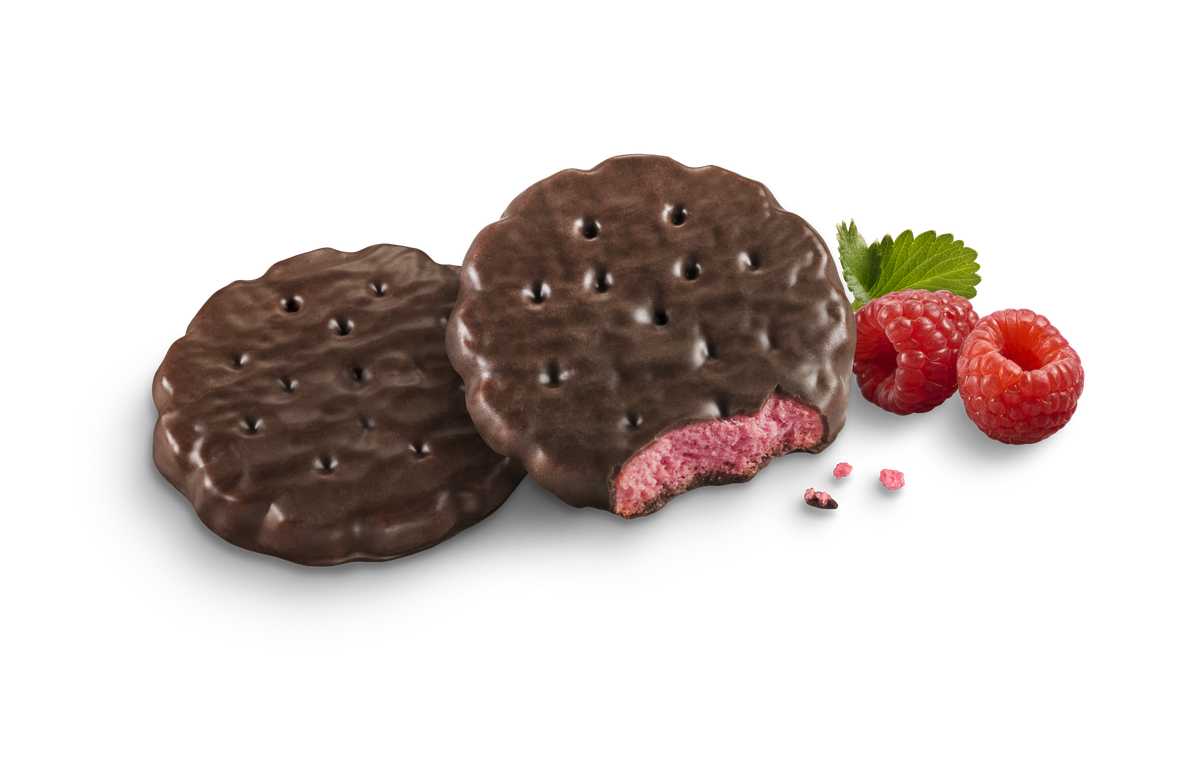
This year’s innovation is the Raspberry Rally — think Thin Mint but fruity. It’s sold only online, an effort to help girls develop digital business and marketing skills, Gregorio said.
It’s fair to note that the decision to buy the cookies is one thing and whether to eat them is another. Customers can choose to donate cookies to first responders, hospital workers and the military. In this region, that amounted to 41,000 boxes last year, Gregorio said.
And scouting tries to teach the value of moderation.
“We definitely tell the girls it’s a sometimes treat, it’s not an all-the-time treat,” Gregorio said.
That’s good, because we have to confront the urgent challenge of obesity. It’s one of our most expensive and damaging health issues. It’s costly to manage conditions such as diabetes.
For decades, the sugar industry and the federal government directed blame to fat for conditions such as heart disease while sugar consumption spiked. And, go figure, so did obesity. Dietary advice is a minefield — anyone know if it’s OK to eat eggs or drink wine today? — but Americans are figuring out at least that processed food can’t possibly be good for you, especially in large quantities.
The damage already done is significant. For the first time, medical guidelines suggest that doctors consider bariatric surgery for severely obese teenagers. Not as the first option, but the American Academy of Pediatrics thinks that for some, the surgery is necessary.
Terms such as “bariatric surgery” and “gastric sleeve” mask what we’re talking about: in the case of the sleeve, removing 80% of the stomach. For life. In other words, so many children are developing severe Type-2 diabetes and other metabolic conditions that mutilation of a perfectly working organ is sometimes preferable.
There’s a long way to go to cure our sweet tooth. It’s too bad the scouts couldn’t sell something else; Boy Scouts hawk popcorn, but some of that is high in sugar, too. But there’s no way the Girl Scouts would raise the same amount of money. Plus, anything that gets children away from screens is probably worth some side effects.
But let’s not kid ourselves. Those brightly colored boxes are full of poison.
This story was originally published January 21, 2023 at 5:31 AM.