Did Donald Trump’s endorsements decide Texas GOP primaries? Not really. Here’s why
Political analysts looking for a hot take on Tuesday’s Texas Republican primaries have an easy angle: Donald Trump.
The storyline is that Trump-backed candidates swept their races, proving that he’s still the dominant figure in the GOP. Less than 24 hours after most of the polls closed, Trump had issued two statements claiming credit for Trump-back candidates’ wins in 33 races.
It’s not that such stories are wrong. They’re just insufficient.
Take a closer look at Trump’s endorsements in Texas. They’re dominated by incumbents, especially at the state and congressional level. It takes an earthquake to unseat officeholders in those positions.
A few have been pulled into runoffs, but Trump wasn’t exactly out on a limb by backing Gov. Greg Abbott, Lt. Gov. Dan Patrick or even Attorney General Ken Paxton. Even in races without an incumbent, Trump tended to pick the obvious leading candidate.
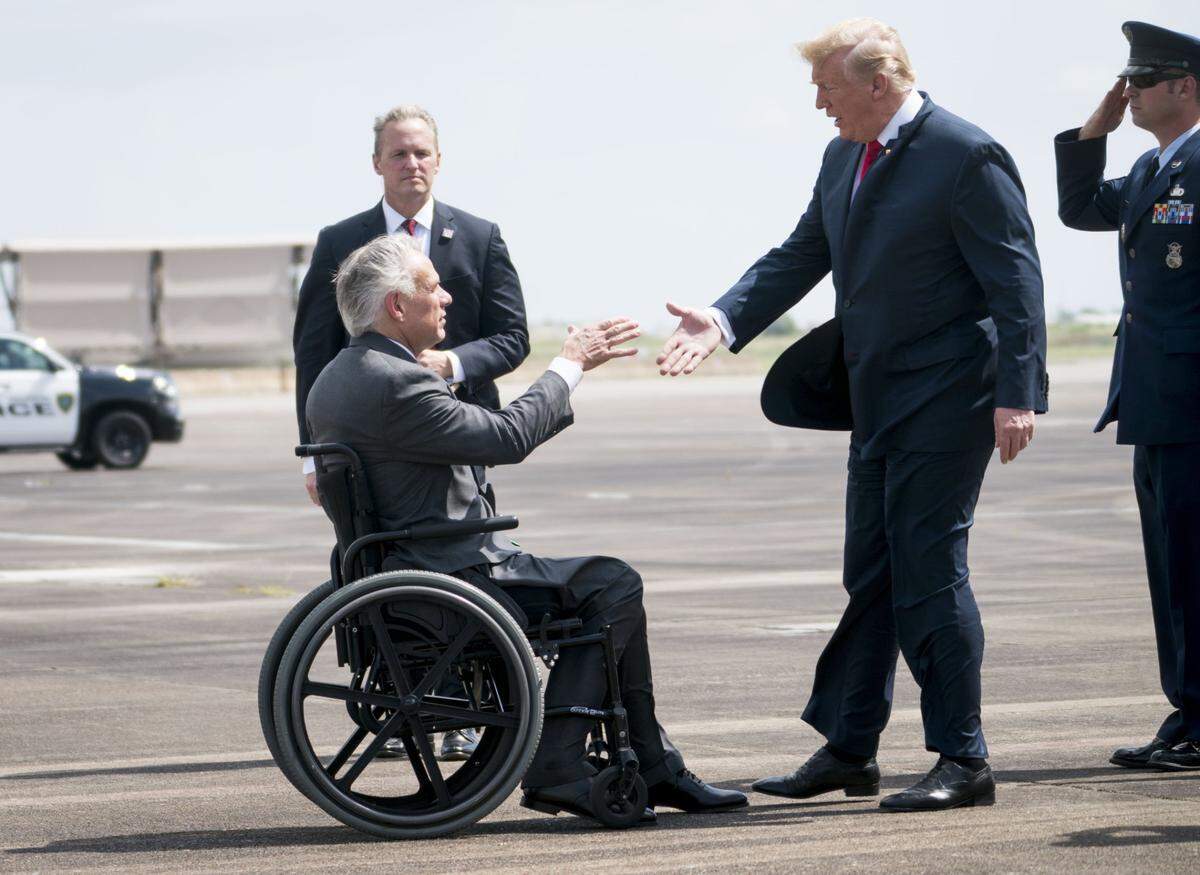
Besides, there’s no reason to believe Trump was all that involved, at least at the lower levels of the ballot. He gave the game away at his January rally in the Houston area, essentially declaring that he lets Patrick dictate Texas endorsements.
What’s harder to determine is whether Trump’s dip into Tarrant County politics, on behalf of county judge candidate Tim O’Hare and district attorney hopeful Phil Sorrells, made a difference. O’Hare won convincingly, and Sorrells led the race and heads to a runoff. But both ran smart races targeting conservative voters.
Perhaps if a contest is close or candidates aren’t that well known, Trump’s backing makes a difference. There’s arguably more of a negative effect — if Trump is actively against you, especially because of some kind of grudge (See Cheney, Liz), you’re in real trouble in a GOP race.
If you’re a Republican candidate, of course you’d rather have Trump’s endorsement than not. But let’s not over-interpret a slew of incumbents winning primary challenges over less well-known and underfunded candidates.
That’s been a part of politics much longer than Donald Trump has.
Editor’s note: This column originally appeared in our opinion newsletter, Worth Discussion. It’s delivered every Wednesday with a fresh take on the news and a roundup of our best editorials, columns and other opinion content. Sign up here.