
The hunger for local news remains, and newspapers are adapting to feed it
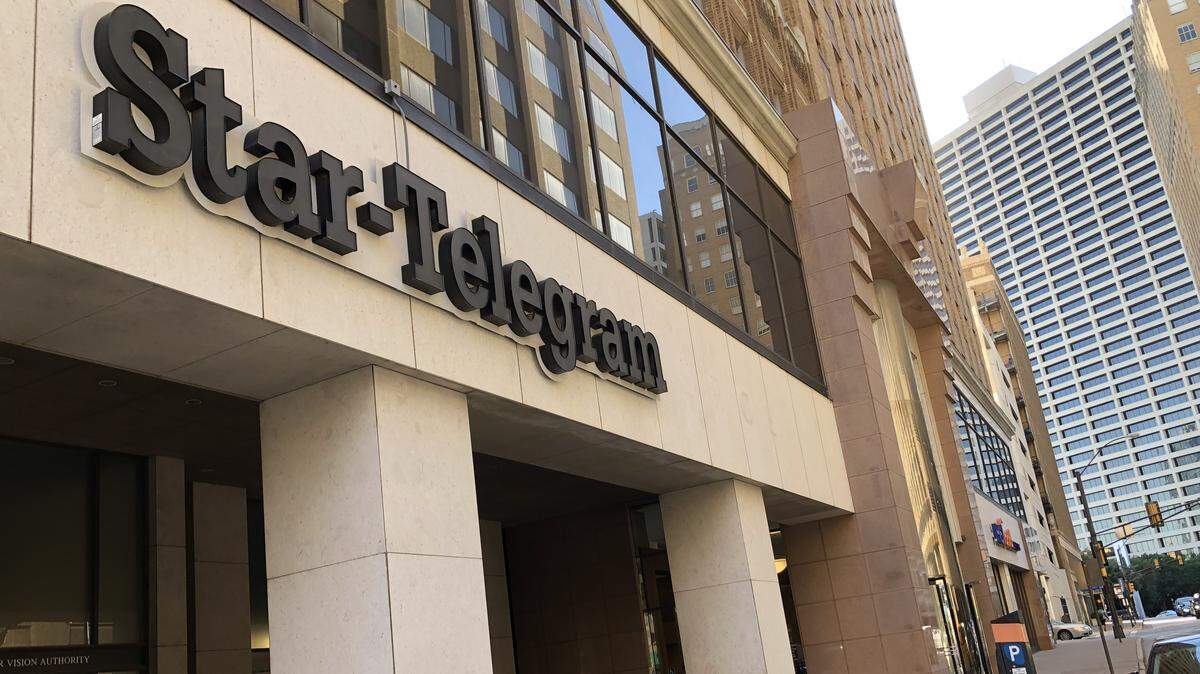
The recent announcement by this newspaper of plans to add two reporters through a partnership with Report for America, whose mission is to help improve coverage of under-covered issues and communities, could not have come at a better time.
It’s a way to give readers something they say they want — more news and information about the things that matter to them. As newspaper readership has shrunk in the digital age, the whole challenge of remaining viable is being addressed in new ways.
The reality of how much has changed was made clear by an exhaustive study conducted by the Pew Research Center earlier this year. The respected organization takes the public pulse on issues across the spectrum of public life in our country.
“Every day, Americans turn to their local news media to learn about the news in their communities. But how they get the news, which topics they prioritize and how they evaluate their local outlets can vary from one community to the next,” Pew said, explaining its survey of about 35,000 adults to gain a profile of local news in particular communities.
Here’s what Pew researchers discovered about the local news dynamics in Dallas-Fort Worth-Arlington:
The “preferred pathway to local news” found that 43 percent of adults turned to television, 24 percent go to news websites, 18 percent turn to social media, 9 percent to radio, and the final 6 percent still looking for the traditional print product — newspapers.
While that looks paltry for area newspapers, in an urban area approaching 7 million people, that’s still lots of folks wanting the newsprint article in their hands, even if it leaves a little ink on the fingertips.
Venturing deeper into the practices of adults who get local news from each of the types of providers they prefer, of those turning to television news, less than half say they do so “often.” A little more than a fourth visiting news websites say they do so with the same frequency and that’s about the same level of engagement for those seeking news from social media.
The conclusion is not unexpected — people have now moved far away from the “usual” practices of learning about what’s happening in their communities.
Now, for the big question: What do area adults say is important to them in local news? Take a guess before reading further and see if you know the answer.
While the daily weather report, traffic and transportation conditions and concerns about crime lead the topics people say are important to their daily life, government and politics, which appear to dominate these days, are important to a great many folks around here.
Now, here’s the encouraging thing Pew found – three-fourths of adults say local news is being reported accurately. More than 60 percent say it’s thorough, dealing fairly with all sides, transparent and includes people like themselves.
So, when the Fort Worth Star-Telegram adds a reporters to focus on Arlington, “covering issues such as the redevelopment of its downtown, crime prevention and the development of the entertainment district,” and another to focus on environmental issues related to growth, it is on the right track.
The goal, the paper says, is to help residents be more informed and engaged and to provide accountability for the city’s leadership.
Whether readers discover the results of the initiative in the print version or online, it’s all responsive to what people say they want.
The newspaper you have depended upon for so long is changing with the times and intends to deliver across all formats.