
U.S. oil industry should heed this call to arms
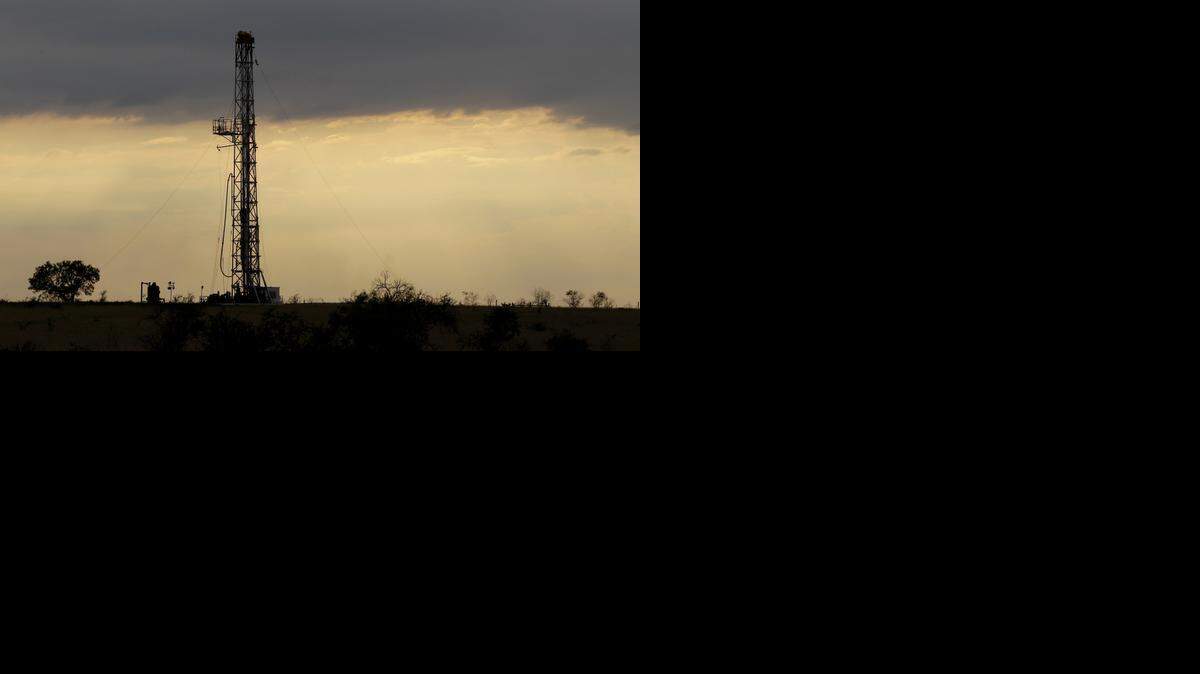
We ought to celebrate the U.S. oil and gas industry the way NASA was celebrated in the late 1960s.
In the last six years, the industry has created tens of thousands of new jobs, increased national security by putting us on a path to North American energy independence and generated billions of dollars of economic value at a time when our country needed it most.
So it’s no surprise that our industry has drawn challengers.
In the past month, the Organization of Petroleum Exporting Countries has responded to falling oil prices by maintaining (rather than lowering) its daily production ceiling of 30 million barrels.
The cartel’s decision dealt a body blow to crude commodity markets and oil patch investor confidence. Upstream CEOs in our city and beyond have begun laying down rigs, reducing capital expenditures and praying they can cover their debts.
Considering how invested our city is in the energy business, how might a lower oil price impact Fort Worth’s economy in the near term?
As consumers, we will catch a break at the pump and enjoy greater disposable income.
As employees, because our oil and gas companies will face a tough, oversupplied market, labor hours may be reduced and a small percentage of the city’s jobs may be lost.
As Texans, crude production tax revenues will likely decrease along with our chances of a franchise or sales tax reduction.
These commodity price challenges will persist until global demand increases or until oil production decreases, which experts predict should take about 18 months due to the steep decline curves of shale oil production.
Low-cost position is vital to any commodity business, and crude oil production is no exception — the cheapest oil wins.
Although all shale formations are not created equal, analysts generally report a break-even production cost of $50-$80 per barrel within most major U.S. plays; other experts believe that cost is lower.
However, there is no disagreement that the ongoing application of cutting-edge technology and industry best practices is lowering the cost of U.S. shale oil production every day.
In fact, according to ITG Investment Research, some U.S. shale operators are profitable at $25 per barrel.
Qatari Oil Minister Mohammed Bin Saleh al-Sada recently suggested that “those who cannot stand the pressure of lower prices will have to step down and give way to those who can do better in terms of efficiency.”
Perhaps our industry should accept the minister’s challenge. Is it possible that Texas oilfields could one day compete on price with the low-cost fields of the Middle East?
Considering what has already been accomplished, it is certainly worth the effort to try.
If we continue to combine a favorable regulatory environment with the world’s most innovative technology (like the horizontal drilling techniques born in our Barnett Shale or the world-class coiled tubing equipment manufactured on Everman Parkway), we will continue to drive the marginal cost of shale oil production down.
And our city, state and country will benefit most.
Cliff Adams is director of business development for National Oilwell Varco, a Fort Worth oil field equipment supplier.
This story was originally published December 26, 2014 at 6:16 PM with the headline "U.S. oil industry should heed this call to arms."