
No more local fixes in FWISD: Back new leaders so every child can succeed | Opinion
Editor’s note: Updated Friday to elaborate on the author’s professional role with a Fort Worth education advocacy group.
As a Fort Worth ISD parent, I have watched as our district has struggled to provide the kind of opportunities and outcomes we owe to every child. The hard truth is that there was a failure to adequately hold previous leadership accountable. I hold myself accountable for that failure; I could have done better.
Now, as required under state law, new leadership is here, and we find ourselves at a critical inflection point for our city’s future.
At the April 14 meeting of the district’s new Board of Managers, Superintendent Peter B. Licata presented us with a number that should keep us all awake at night: 24,914. That many students are not reading at the expected proficiency. As Licata starkly pointed out, that is enough children to fill Dickies Arena twice. This is an academic emergency, and it demands an urgent, unified response.
For too long in FWISD, we have accepted relational or localized solutions. We have allowed ourselves to get bogged down in debates unrelated to student outcomes and teacher support while district-wide academic crises went unchecked.
Think of our district as a vast city garden. For years, some plots have flourished simply because they happened to be planted near water spigots, while others were left to wither in dry soil. Our historical approach has been to grab watering cans and run to save our own individual plants, or the plants in our specific neighborhoods. Those are relational, localized solutions. But what FWISD desperately needs is to rip up the old pipes and install a brand-new irrigation system that delivers water equitably to every single plot.
That is systemic change. It is the difficult, foundational work necessary to redirect resources away from administrative overhead and underutilized facilities, and invest them directly into the classroom. We are already seeing the beginnings of this with changes designed to concentrate effective educators where they are needed most to bridge our massive literacy and math gaps.
This transition to systemic solutions is why my hope and my advocacy are now with our new Board of Managers. Having attended board governance training with these leaders, I know them to care first and foremost about our moral obligation to educate all FWISD students, not just some.
However, being receptive to systemic change does not mean community acquiescence. Giving this new leadership an opportunity to succeed requires our active, vigilant partnership. My advocacy remains exactly the same: we must demand urgency in changing the destiny of our most underserved students, and we must demand solutions for the vast inequities in opportunities and academic outcomes across our district.
We still need to hold the Board of Managers and superintendent accountable by expecting them to set goals tied to the TEA’s exit criteria. Those goals should be measurable, achievable and specific, and they should come with deadlines. We must demand absolute, regular transparency about our progress. And leaders must actively create opportunities to listen to community concerns.
But accountability also means showing up to help. If we can all come together in a unified voice right now, in this crucial moment, we can achieve something remarkable. We can catch up to other urban districts and build a system that proves we believe every child can learn.
We have a chance to do the heavy lifting and make the hard choices required to create a world-class public school system for our kids. Let’s grant this new leadership the patience and grace they need to implement real, systemic solutions, and let’s work together to make FWISD a destination district and a shining star in our great and growing city.
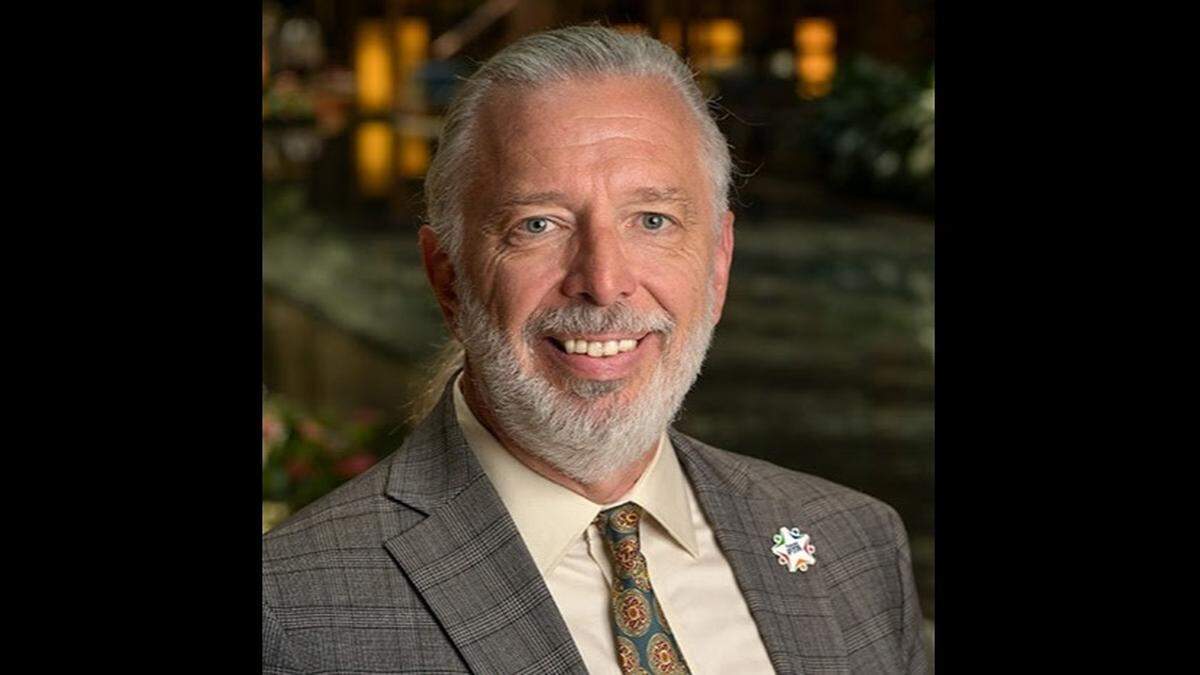
Ken Kuhl is a Fort Worth ISD parent who is active in local and state PTA organizations. He is director of governance at Fort Worth Education Partnership, which works to increase access to quality schools across the city.
This story was originally published April 23, 2026 at 5:50 AM.