U.S. leaders put power politics over principles on spending, alliances | Opinion
Does might make right, or does right make might? Are we a better country when we impose our will on other countries, including our allies — especially our allies — even to the point of potentially using military force? Or are we a better country when we embrace our longstanding principles and encourage other countries to embrace them as well?
The U.S. has long been able to boast both principles and power. But since the beginning of the 20th century, and especially after World War II, we have tried to lead with our principles — mostly around the idea of adherence to the Constitution, free enterprise, fiscal responsibility and peace through strength. We had power — and still have it — but have generally used it to restrain other powerful actors.
That’s why when, in 2003, the archbishop of Canterbury asked Secretary of State Colin Powell if U.S. involvement in Iraq was an effort at “empire building,” Powell replied: “The only amount of land we have ever asked for in return is enough to bury those who did not return.”
But that approach appears to be changing. Long-held principles are being pushed aside as many of our elected leaders stress power politics. We’re a better country and a better people when we stress our principles.
Start with the Constitution. It lays out the structure of our government based on high-minded and yet practical principles. Elected officials even take an oath to protect and defend that Constitution. But for both major political parties, the Constitution has become less of a road map to guide us than a roadblock to get around.
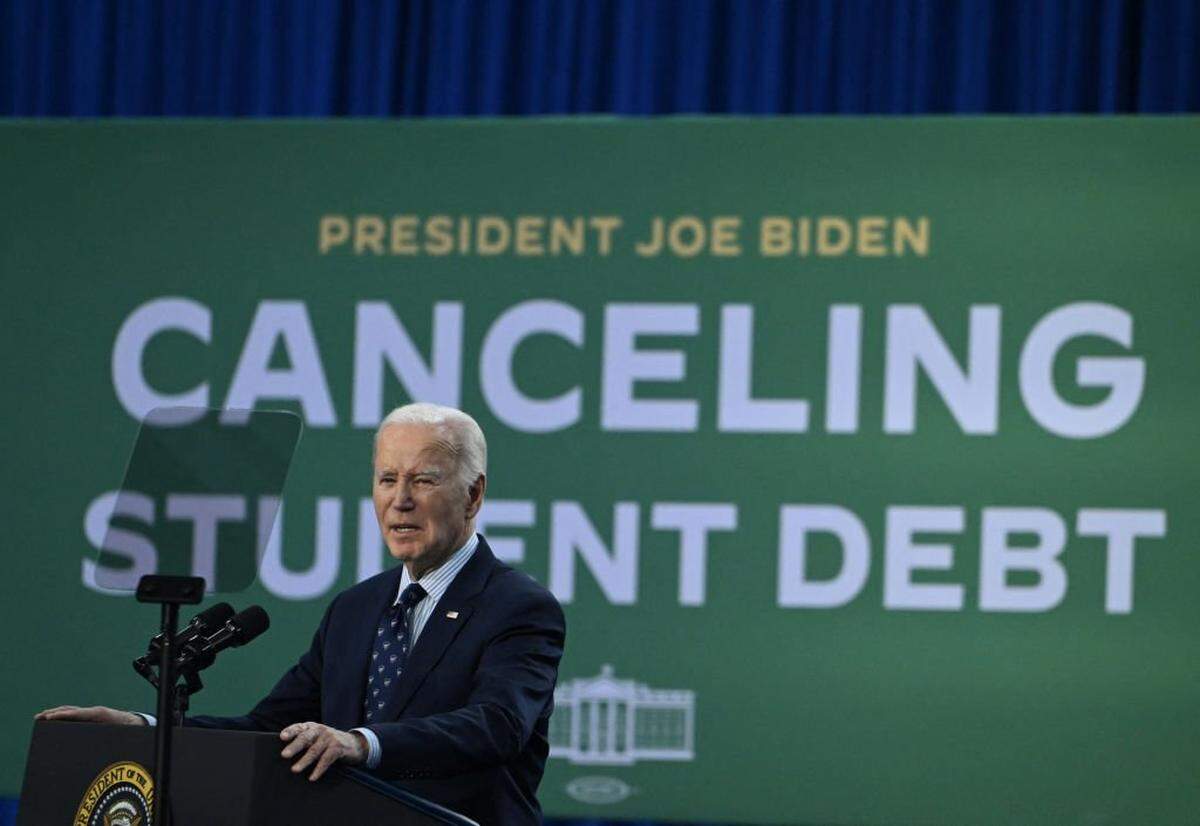
For example, the Constitution vests Congress with the “power of the purse.” It’s Congress’ job to appropriate funds. Yet when President Joe Biden decided he wanted to spend more than $400 billion on student loan forgiveness, Republicans in Congress complained, while the Democrats who controlled both chambers said nothing — indeed, many actively supported the proposal. The U.S. Supreme Court had to stop Biden’s plan.
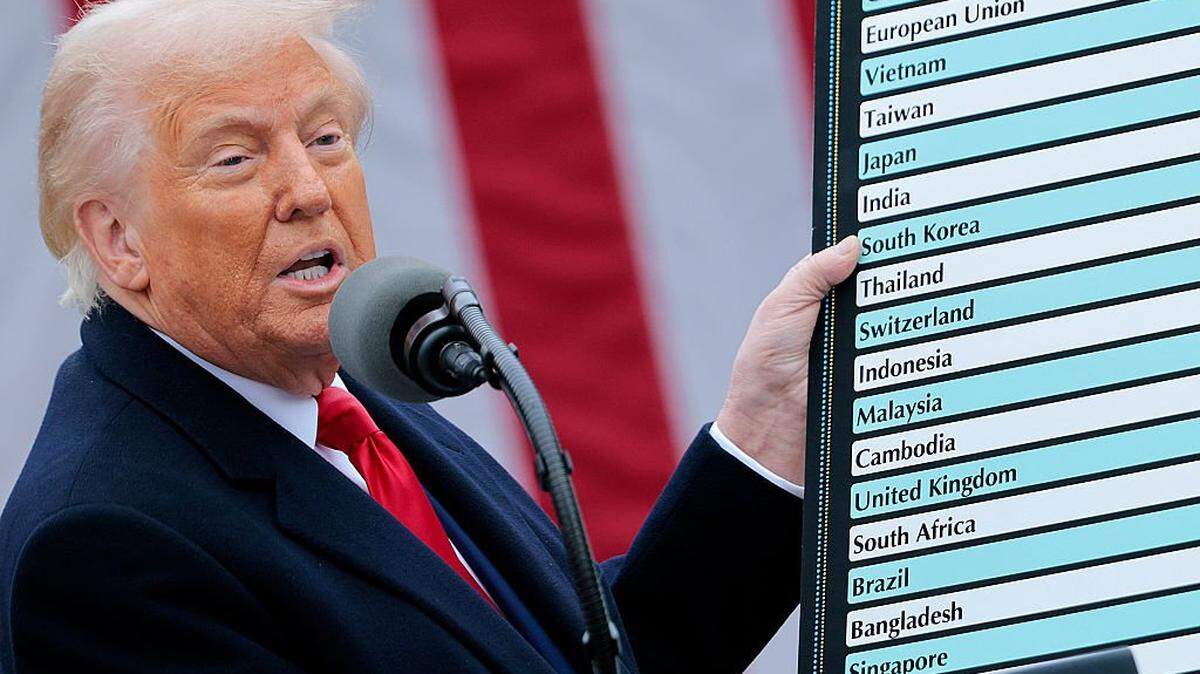
The Constitution also vests Congress with the power to tax. But when President Donald Trump started imposing massive tariffs, which are taxes, on any country he wants for any reason or none at all, Democrats in Congress complained, while Republicans have remained mostly silent. The Supreme Court may, once again, reign in a president’s unconstitutional actions.
Or consider fiscal responsibility. The federal government faces nearly $39 trillion in debt and rising. The 2025 federal deficit was $1.77 trillion, which was down from $1.8 trillion for Biden’s last year. And the Congressional Budget Office predicts that annual deficits will exceed $2 trillion for each of the next 10 years. The last time we had a budget surplus was from 1998 to 2001.
Democrats complain about spending when Republicans are in power and vice versa, but both parties have become big spenders, regardless of their pleas for fiscal responsibility. The only real difference is that Republicans claim to feel bad about their overspending.
What about free enterprise, which has made the U.S. by far the most prosperous country in history? There was a time when both parties were skeptical of government interfering in business. No longer. Biden and Democrats provided billions of dollars in taxpayer-provided subsidies to lots of government-favored industries — but with significant strings attached. Businesses got more money, but government got more control.
Trump has taken a different approach. Favored companies and industries are getting more freedom to expand their business, but the government is getting more control over business decisions — and a share of the profits.
The United States emerged from World War II as the undisputed global superpower. It used its influence to encourage the spread of democracy, human rights and individual freedom — all principles embraced (albeit imperfectly) by the U.S. With bipartisan support, we entered security and free-trade agreements with allies and with many nonaligned countries. As the U.S. prospered, so did many other nations.
The current administration says “America First” doesn’t mean America alone. But it increasingly acts that way. Given the reach of technology and the speed of travel, we do not and cannot live isolated even if we wanted to. We live in a world where travel, trade and conflict in one place can affect every place. That means working together with allies who share our values.
Countries have a choice. They can share their principles or impose them — as Russia is trying to do in Ukraine. It’s time for America to return to its principles and share them with others.
Konni Burton, a Republican, is a former member of the Texas Senate for District 10. Merrill Matthews is the Texas state chairman of Our Republican Legacy, which seeks to advance party principles and priorities such as American unity, fiscal responsibility and free enterprise.