
New CDC meningitis vaccine advice puts young Texans’ lives on the line | Opinion
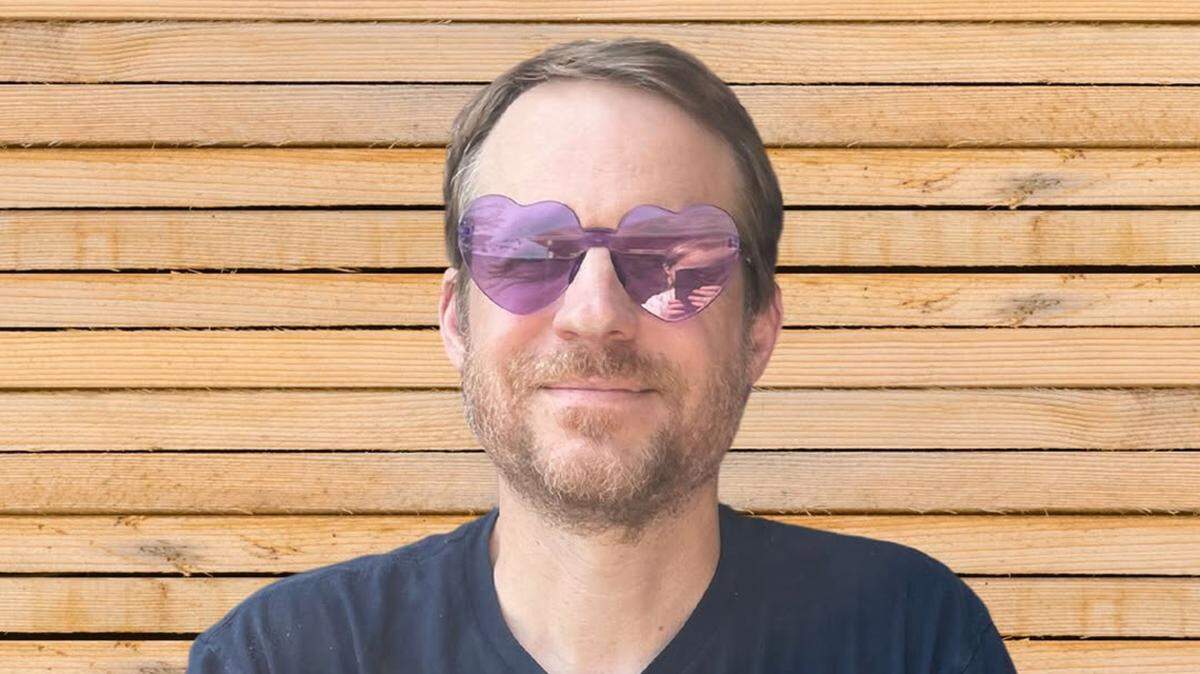
I was a healthy, 19-year-old Texas Tech University student with my whole life ahead of me. Like most teenagers, I felt 10 feet tall and bulletproof. I was an active member of my fraternity, living the typical college life. Then, in a matter of hours, meningococcal meningitis nearly killed me and left me blind and disabled.
That was in 1998, before meningococcal vaccines were widely available in the United States. I did not have a choice or opportunity to be protected. Today’s teens do, but the Centers for Disease Control and Prevention’s recent changes to the childhood vaccination schedule are likely to make it harder for them to get vaccines for meningitis and several other diseases.
The CDC now advises that meningitis vaccinations — MenACWY and MenB — for healthy adolescents and young adults be based on what’s known as “shared clinical decision-making.” In plain terms, this means meningitis vaccination should now be informed by a decision process between the health care provider and the patient, parent or guardian. Health care providers will no longer be expected to routinely recommend meningitis vaccines to healthy individuals, but only to high-risk patients.
While shared clinical decision-making sounds good in practice, as someone who survived meningitis, I can tell you this approach will fail Texas families.
On a Friday in February 1998, I felt like I had the flu. Within hours, I was unconscious on my bedroom floor. Luckily, my fraternity brother at Texas Tech found me and called for help. I spent 21 days in the hospital, eight of which I was in a coma, fighting for my life. The infection ravaged my body so quickly that by the time doctors stabilized me, the damage was done. I woke up in complete darkness. I had to relearn how to walk, talk and swallow. I had to learn to navigate a world I could no longer see.
I lost my vision. I lost my independence. What I gained was a painful understanding of just how fast this disease moves and how little warning it gives families.
College students like I was are especially vulnerable. We share drinks at parties. We live in cramped dorm rooms. We stay up late, skip meals and push our immune systems to the limit. These are not reckless choices. They are normal parts of college life. Parents cannot control them. But vaccination could protect students from getting sick as a result of these choices.
Shared clinical decision-making does not work
The CDC’s shift to shared clinical decision-making is not new for the MenB vaccine. It has been the policy since 2015, and the results speak for themselves: Only 16% of eligible teens have completed the MenB vaccine series, compared to more than 60% for MenACWY, which was routinely recommended for all adolescents and young adults until last week. Nearly half of pediatricians do not discuss the MenB vaccine with families. Most parents do not even know it exists.
What alarms me most is the timing. Meningococcal disease cases have surged in the U.S. since 2021. In 2024 alone, 503 cases were reported, the highest since 2013. This is not the moment to weaken recommendations. This is the moment to sound the alarm.
I understand that shared clinical decision-making sounds reasonable on paper. It sounds like empowering families with choice. But in practice, it creates confusion among providers and patients. It assumes that doctors will have the time to bring it up and discuss it at length, or that parents will know to ask.
Every parent sending their child off to school deserves to know that protection exists. Every teenager deserves the chance I did not have: the chance to be vaccinated before it is too late.
Meningitis vaccines are still available and covered by insurance and the CDC’s Vaccines for Children Program. I urge every Texas parent to ask their child’s health care provider about both MenACWY and MenB vaccines for their adolescents, teens and college-bound students.
Do not wait for someone else to bring it up. Do not assume your child is protected just because they had one meningitis vaccine years ago. You can also visit the American Society for Meningitis Prevention at meningitisprevention.org to learn more.
I will never regain the vision I lost. I will never forget waking up in total darkness and realizing my life had been rewritten overnight. But I can see clearly what is at stake when we treat life-saving vaccines as optional.
No Texas teen should have to learn that lesson the way I did.
John B. Grimes is a meningococcal meningitis survivor based in the Dallas-Fort Worth area, and the author of the forthcoming book “Destiny Is Debatable: A Memoir of Meningitis, Losing Sight, and the Love I Didn’t See Coming.”