As NY turns left, Texas can rise even more as a financial powerhouse | Opinion

An American banking giant once suggested that “capital goes where it is welcome and stays where it is well treated.” Today, no state embodies that principle quite like Texas.
Just a few weeks ago, voters strengthened and cemented Texas’ reputation for attracting capital by approving constitutional amendments to ban taxes on capital gains, securities transactions, and estate and inheritance transfers. That prevents the Legislature from enacting back-door tax hikes and fulfills the promise of Texas voters’ decision to constitutionally ban a state income tax in 2019.
The nation’s historic financial capital appears likely to make a turn under newly elected leadership, which promises additional government intervention. New York’s loss stands to be Texas’ gain, thanks to the state’s unflinching embrace of free-market, limited government policies.
As home to the forthcoming Texas Stock Exchange, along with regional headquarters for the New York Stock Exchange, NASDAQ and major campuses from every banking leader on Wall Street, the Dallas-Fort Worth area has become a magnet for the financial services industry, demonstrating that capital has never been more welcome in Texas. In September, the Partnership for NYC found that Texas’ financial workforce has grown to more than 519,000, compared to New York’s 507,000.
But to ensure that capital stays and grows, Texas leaders need to make sure it’s well treated.
While states such as Illinois struggle to roll out ill-advised, onerous financial regulations that harm consumers, Texas lawmakers are soundly rejecting similar attempts to bring big-government policies to the Lone Star State. One Texas-based economist who analyzed a 2025 legislative proposal to restrict “interchange” fees, which hit credit card processing, consumers, businesses and financial institutions, found that the law would have created “net costs, not savings” and that consumers were “unlikely to be helped and ultimately may be worse off.”
There is a growing nationwide discussion over government-driven “debanking,” whereby vague and outdated supervisory policies open the door for government regulators to pressure banks to close accounts or restrict access to banking services on the basis of political or religious beliefs. In response, some state lawmakers have attempted to institute new standards that would leave financial institutions stuck between complying with state or federal law, including President Donald Trump’s efforts to bring uniformity to federal banking regulations.
Texas leaders, long enemies of patchwork regulations that stifle commercial activity within and among different jurisdictions, understand the consequences of creating extra hoops for businesses and consumers to jump through. They know the net effect is always a drag on economic growth.
In 2025, state Sens. Tan Parker and Lois Kolkhorst affirmed the importance of advancing a uniform, federal-level solution to “debanking” by introducing a resolution to support the Financial Integrity & Regulation Management Act in the U.S. Senate and other important federal efforts to ensure a fair, transparent and efficient financial regulatory system free from partisan interference or pressure.
Policies that increase government intervention and tip the market scales toward one industry, group or political ideology are a red flag for businesses and never serve the best interests of customers. It’s no surprise that CEOs, entrepreneurs, and financiers are increasingly looking to “Y’all Street” as a welcome home for capital, especially as lawmakers in New York flirt with the idea of re-instating a state tax on stock sales.
To maintain Texas’ momentum and realize its full potential as a haven for businesses across economic sectors, leaders should continue to prioritize the free-market, small-government policies that have made the state’s economic environment the envy of the nation — and a rising contender to become center of the financial universe.
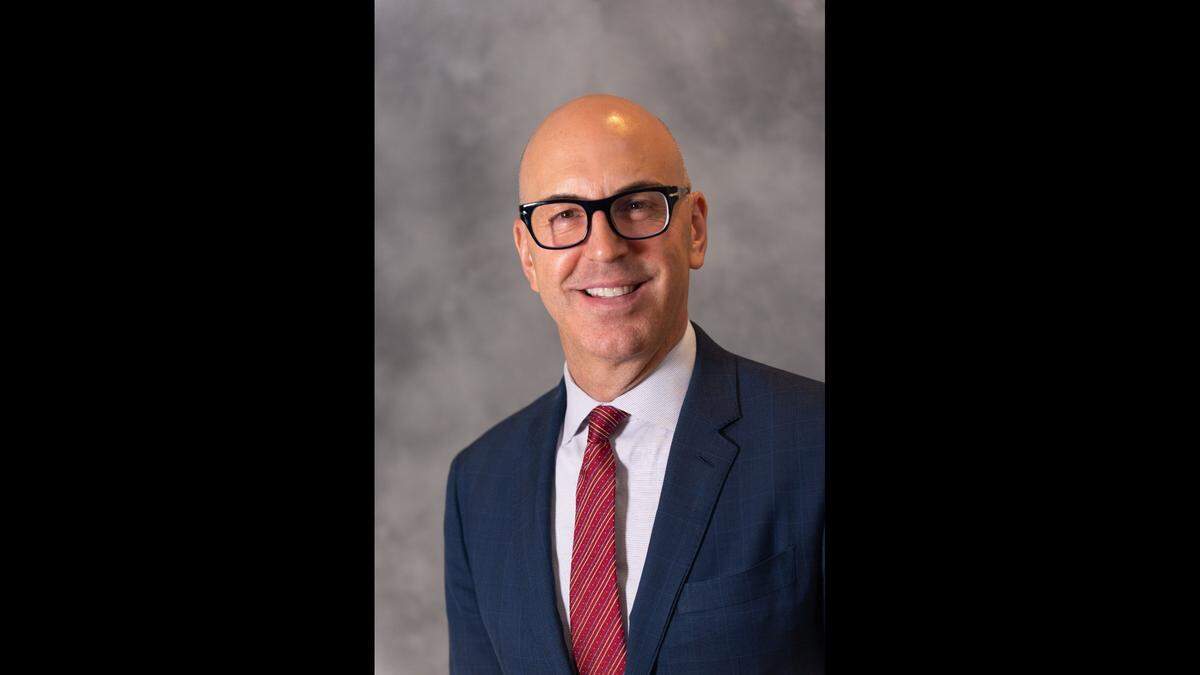
Chris Wallace is the president and CEO of the North Texas Commission, a public-private partnership that promotes and advocates for the region. David Ibsen is the executive director of Americans for Free Markets, a coalition of groups that promote reduced economic regulation.