
When it comes to Texas Muslims, Gov. Greg Abbott is two-faced | Opinion
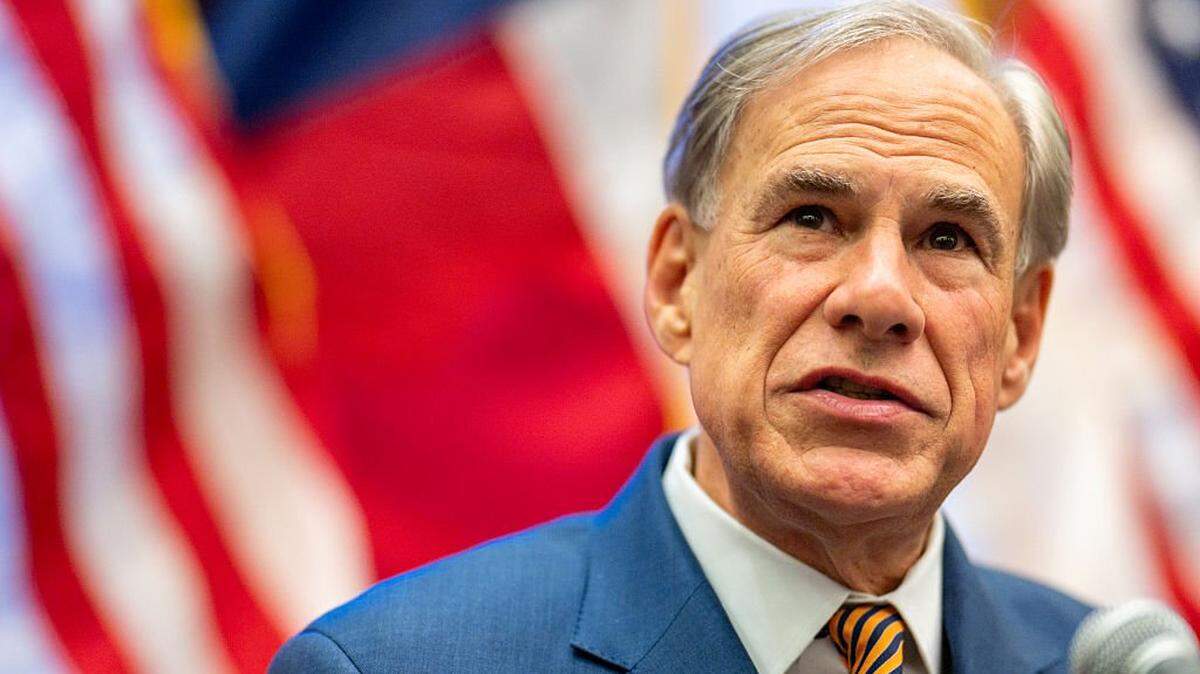
Gov. Greg Abbott celebrates Muslim Texans at banquets — and he scapegoats them at the Capitol.
In March 2025, as he has in previous years, Abbott extended warm Ramadan greetings to the Houston Muslim community, saying: “We are proud that people from diverse cultural backgrounds can observe their holidays in peace. Our country’s founders prioritized religious freedom and made these celebrations possible. I thank Texas’s faith groups for their continued service to the poor and vulnerable in their communities.”
Yet months later, Abbott labeled the largest Muslim civil rights group in the country, the Council on American-Islamic Relations, or CAIR, a “terrorist” organization.
Across the nation, Muslims operate free and low-cost health clinics serving patients of all faiths and backgrounds. Abbott attended the ribbon-cutting ceremony of one such clinic — the Ibn Sina Foundation. But he instructs his administration to investigate mosques on flimsy, politically motivated charges, such as the ongoing effort to stop the East Plano Islamic Center’s planned community in Collin County.
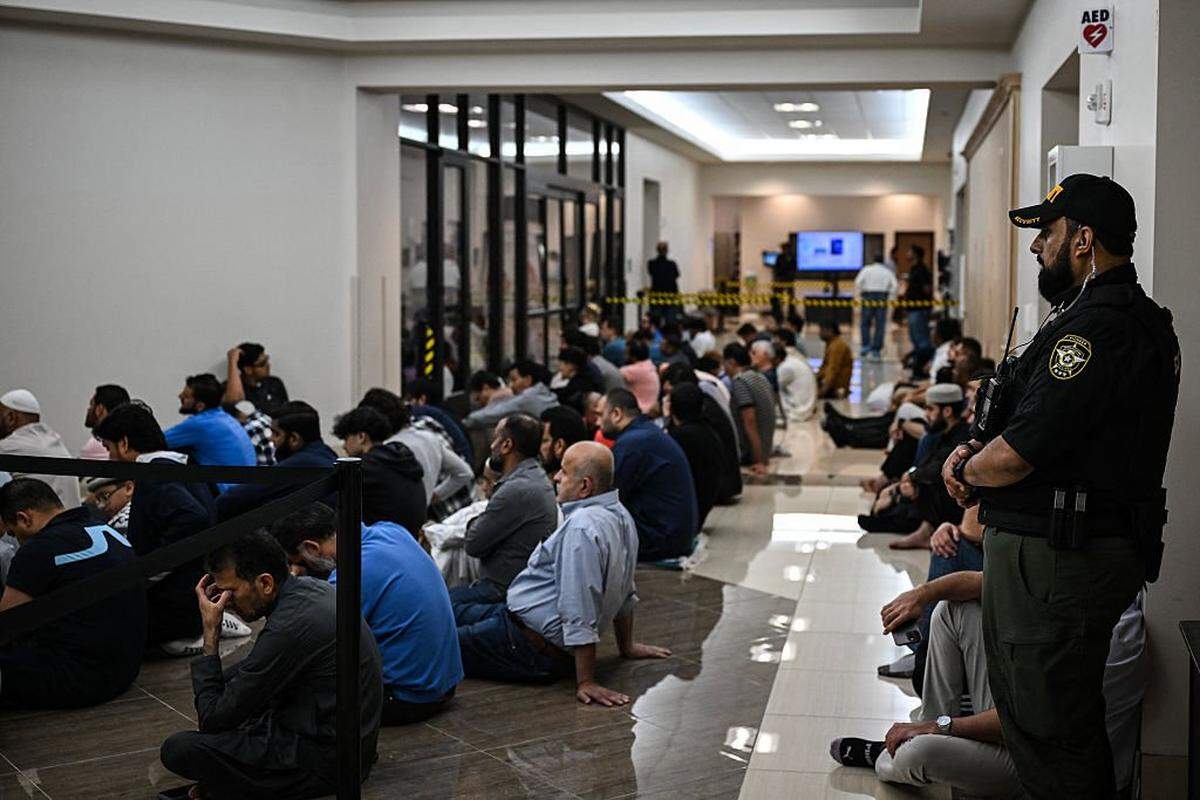
The governor has appointed Muslim Texans to key roles, such as Sophia Rahman’s seat on a state health advisory council, and he kept Sherif Zafran as president of the Texas Medical Board for nearly a decade. In 2018, Abbott even hosted the late Ismaili Muslim leader Aga Khan. But when the governor’s far-right base demands scapegoats, he doesn’t hesitate to turn against Muslims.
Muslim contributions Abbott doesn’t mention to the far right
Texas Muslims are doctors, teachers, entrepreneurs and community leaders. Nationally, 8% of American Muslims own a business, contributing 1.37 million jobs and billions of dollars to the economy. Muslims make up 2% of Texas’s population, and many are active participants in the state’s economic, civic and political life.
Figures such as S. Javaid Anwar, who has donated more than $13 million to Abbott’s campaigns, and Tanweer Ahmed, a sponsor of a 2025 Republican dinner where Abbott was honored, are familiar in GOP circles. Texas Republicans frequently recognize a Fort Bend County constable, Ali Sheikhani, for his charitable work. As the Katy Christian Magazine noted: “While Sheikhani is Muslim, his Shamim Sheikhani Foundation supports individuals in need of any religious backgrounds — not just Houston’s Muslim population.”
Abbott shakes the hands of many prominent Muslim American leaders, even as he reassures his far-right base that Islam is a threat to Christianity and the U.S.
While everyday Texans struggle to afford groceries or pay rent, Abbott remains focused on appeasing fringe anti-Islam figures, pushing culture war agendas and warning of imaginary threats such as sharia law.
Abbott’s war on Texas Muslims goes beyond rhetoric. He has supported criminalizing protest, and suppressing pro-Palestinian advocacy, normalizing anti-Muslim and anti-Palestinian sentiment even as Muslims are targeted with violent attacks.
In Austin, Zacharia Doar, a Palestinian-American man, was stabbed in a hate crime. In Houston, a 13-year-old Afghan Muslim girl was knocked unconscious and hospitalized after she and two classmates were assaulted for wearing hijabs. A Tarrant County woman, Elizabeth Wolf, pleaded guilty to trying to drown Palestinian American children. A group of men — including at least one from Texas — is charged with traveling across state lines harassing Muslim students during prayer.
These violent incidents are part of a broader ecosystem of dehumanization that starts in policy and rhetoric.
Muslim Texans are paying attention to attacks
Abbott treats Muslims as a group he can greet during Ramadan and legislate against the next day. Texas Muslims and their allies know that values, safety and dignity aren’t partisan. Many fair-minded Texans agree. Several Democratic members of the State Board of Education condemned the mistreatment of a hijab-wearing Muslim woman and called Abbott’s CAIR designation “improper and potentially unconstitutional.”
It wasn’t always this way. In 2019, when Republican activists in Tarrant County tried to oust Dr. Shahid Shafi from a GOP role for being Muslim, Abbott defended him: “Religious freedom is at the core of who we are.”
Today, Abbott is busy rage-posting and pushing laws that appease extremists. But Texas Muslims have won before — and will again. The governor’s dance with duplicity is losing rhythm.
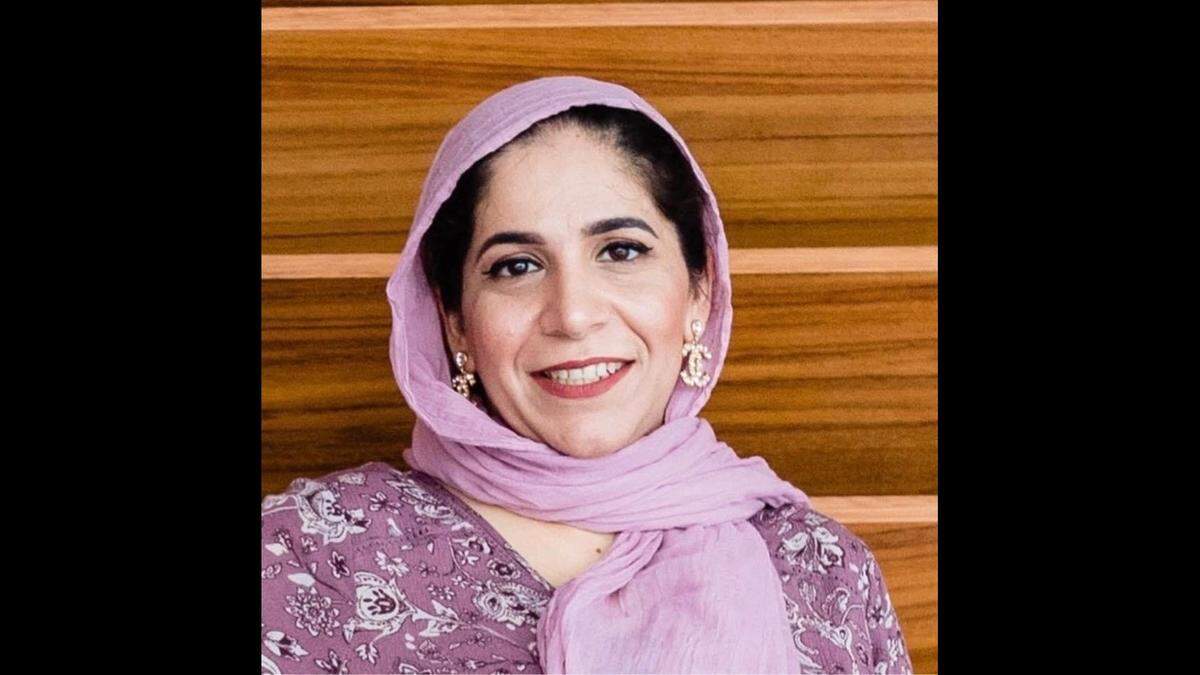
Saleema Gul is a writer and activist who lives in Houston.
This story was originally published December 15, 2025 at 4:51 AM.