Electric bills are rising fast. Here’s how coal plants can help | Opinion
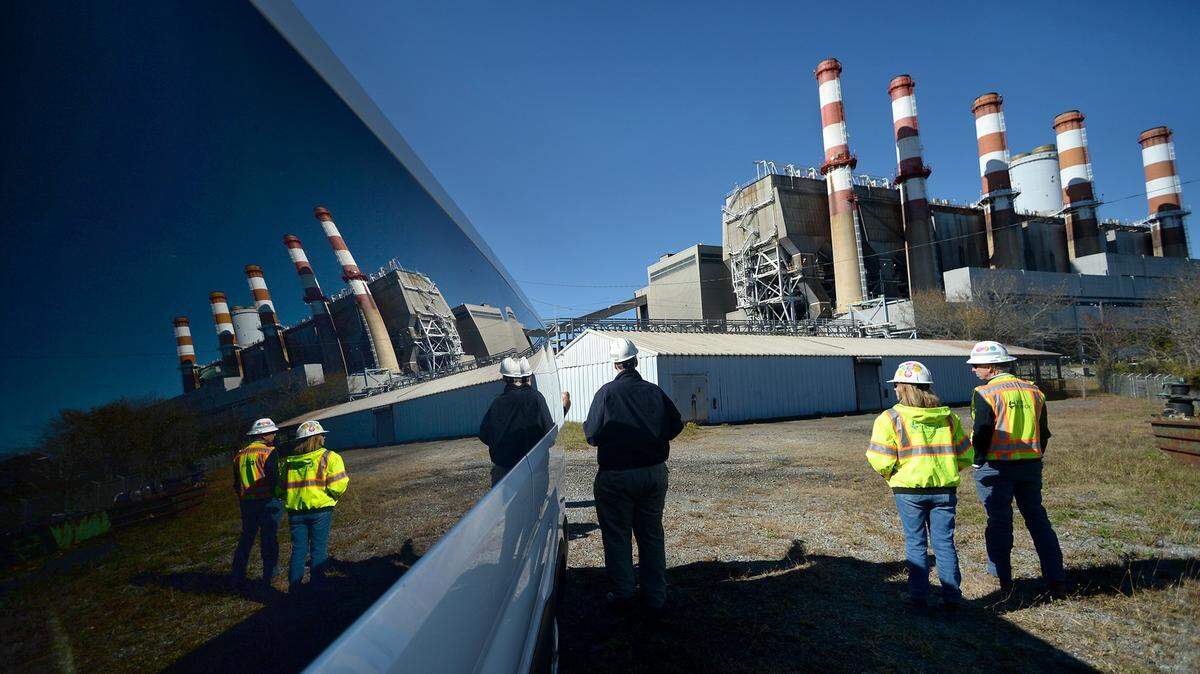
Electricity bills are climbing almost everywhere, and the reasons have little to do with ideology. Three forces are driving prices higher: massive new utility spending on infrastructure, rising natural gas costs and growing capacity shortages in electricity markets as the AI revolution requires great quantities of electricity. In some states, prices have jumped more than 60% since 2022.
The Trump administration inherited this mess and now has its work cut out for it. The administration’s strategy is built around reinforcing dispatchable power — the generating resources that run when called upon, not when the weather allows.
Along with trying to ramp up development of new nuclear and natural-gas power plants, the administration’s biggest pivot from the Biden era is to halt the closure of existing coal plants. It’s a 180-degree turn from the previous administration’s regulatory onslaught, and it couldn’t have come soon enough.
Any concern that leaning on the existing coal fleet is an environmental misstep needs global perspective. China consumes 40% more coal than the rest of the world combined and is adding — just this year — 100 gigawatts of new coal generating capacity. That’s equal to more than half of the entire U.S. coal power plant fleet. Coal remains the world’s leading fuel for electricity generation, and global coal consumption is projected to set a new record this year.
Preserving the coal fleet isn’t nostalgia; it’s pragmatism. Doing so is the critical foundation for any effort to address eroding grid reliability and to start lowering electricity prices.
Start with infrastructure spending. Building new transmission and distribution lines to ensure power grids better accommodate renewable energy is the single largest driver of growing utility spending and rising power prices.
While this spending has surged, consumers are rightfully wondering where the benefit is. Reliability challenges are mounting while monthly costs keep climbing. Preserving existing generating capacity, including the coal fleet, is a critical first step in throttling down runaway infrastructure capital spending.
Then there’s natural gas. While still historically low, natural gas prices are rising again. Prices have jumped from roughly $2 per 1 million BTU to more than $3 this year, and they are projected to eclipse $4 next year. The United States’ capacity to export natural gas export is also growing rapidly — creating new competition for U.S. gas from European and Asian buyers.
Every $1 rise in U.S. natural gas prices pencils out to about $54 billion in added costs for U.S. consumers. Here again, preserving coal power is an important answer.
As natural gas prices rise, coal plants become a more economical option, ramping up generation and reducing gas demand. That flexibility, especially when power demand peaks, is essential to shielding consumers from price spikes. With natural gas prices already up, U.S. coal consumption has risen 15% this year, helping reduce gas demand and ratepayer bills.
Finally, there’s the emerging capacity crunch. The Biden administration used a regulatory onslaught to try to force coal plants off the grid at the very moment power demand surged from electric vehicle adoption, new manufacturing and, most notably, the AI and data center boom.
America’s electricity needs are forecast to jump nearly 80% by 2050. Electricity markets are woefully short of power. Rising prices are signals of the need to build new plants and keep existing ones running. To meet this enormous rise in demand, we must halt coal plant closures and build upon the foundation of our remaining coal plants.
Renewable-energy advocates and climate hawks have hammered the Trump administration for embracing coal. But the president is taking a realistic, consumer-first approach to address an emerging power supply shortage.
The electricity supply crunch is an enormous challenge, and it can’t be solved by gutting the existing backbone of our power grid. This administration’s energy strategy — to put reliability and affordability first — is a most welcome return to energy sanity.
Matthew Kandrach is president of Consumer Action for a Strong Economy, a Virginia-based nonprofit organization that advocates for consumer interests through the advancement of free-market principles.