
Who answers kids’ questions about Bible stories in school reading lessons? | Opinion
We were amazed recently when we learned that the Fort Worth ISD school board voted to adopt a reading curriculum for kindergarten through fifth grade that includes Bible stories. Named the Bluebonnet curriculum, it is intended to introduce public school children to stories from the Bible as they learn to read.
What is amazing about that? Religion has always been part of American culture. Does not the Declaration of Independence speak of people as “created equal” and “endowed by their Creator with certain inalienable rights”?
Yes, indeed! But to make sure that every legitimate religious group was free to teach and practice its own truths as they saw them, the Founders included in the Bill of Rights the First Amendment, which blocks government from “establishing” any particular religion or “prohibiting the free exercise” of a religion. That meant Protestant, Catholic and Quaker Christians, as well as Jews, should all have equal rights to pray, study their Scriptures and teach their children, as they saw fit. Now, Muslims, Hindus. Buddhists, Bahais and others are doing so, as well.
Religious freedom and what we have come to call “separation of church and state” have become cornerstones of American democracy. In a multi-cultural society in which many religions are practiced (and in which some ignore them all), we each have the right to follow the path we choose. Governments — and public schools are operated by governments — are constitutionally prohibited from showing favoritism.
Bluebonnet curriculum supporters argue that young children should be taught the Bible because it is one of the foundations of our culture, which we happily acknowledge is so. But the situation quickly becomes far more complicated. Jews and Christians, for starters, both read the Hebrew Bible (the “Old Testament”), but only Christians read the New Testament. Less obvious but more problematic, different denominations of Jews read the Bible very differently from one another, and the same holds true for Christian denominations.
Some Jews, and even more Christians, read our sacred texts literally. The creation story at the beginning of Genesis, for example, is part of the Bluebonnet curriculum. Was the world — as chapter 1 says — created in 6 days? Some contend that if that’s what the Bible says, it must be a fact. Others say that divine creation and various other aspects of the story teach valid lessons, but that in modernity, we know that the universe evolved over billions of years.
We imagine a first-grader or even a fifth-grader asking a teacher: “Ms. Jones, did God really make the whole world in six days?” The traditionalist will want his or her child given one answer, and the modernist another. What are we to tell the faculty to say?
The curriculum includes a lesson on the Rev. Martin Luther King Jr. Should children be told that King’s Christian faith motivated his heroic work for the integration of American society? Certainly. Students who want to know more about his religion should be told to ask their parents or clergyperson.
But as an example of faith influencing King and thus history, the Bluebonnet curriculum goes into the story in the biblical book of Daniel about Shadrach, Meshach and Abednego choosing to be thrown into a huge, flaming furnace by King Nebuchadnezzar of Babylon rather than to worship a statue of him. God protected them from the flames and the king, seeing this with his own eyes, ordered that henceforth no one in the kingdom could curse their God.
Here we go again: “Ms. Jones, can God really stop fires from burning people?” Some will say, “No, the story was and remains a wonderful story with an important lesson, but a story, not something that could actually happen.” Others may say, “It is called a ‘miracle’ and God does them all the time!”
Should Ms. Jones teach whichever she prefers? Or should the parents send their child to Sunday School to learn what their denomination teaches? Picking one or the other is not the job of the public schools.
No doubt, our school board members meant well. But teaching religion in public schools is a bad idea, a mistake the board should correct. What are the teachers, and, at least as importantly, parents going to do when, in the name of fairness to all, there is pressure to add Buddhist and Muslim Scripture, or Hindu or Shinto? How about Native American religion? These groups and more are part of our community, as well.
As the group Pastors for Texas Children has been saying for years, let each family choose, practice and teach its own religion so that all may feel equally welcome, and learn to get along with one another, in school.
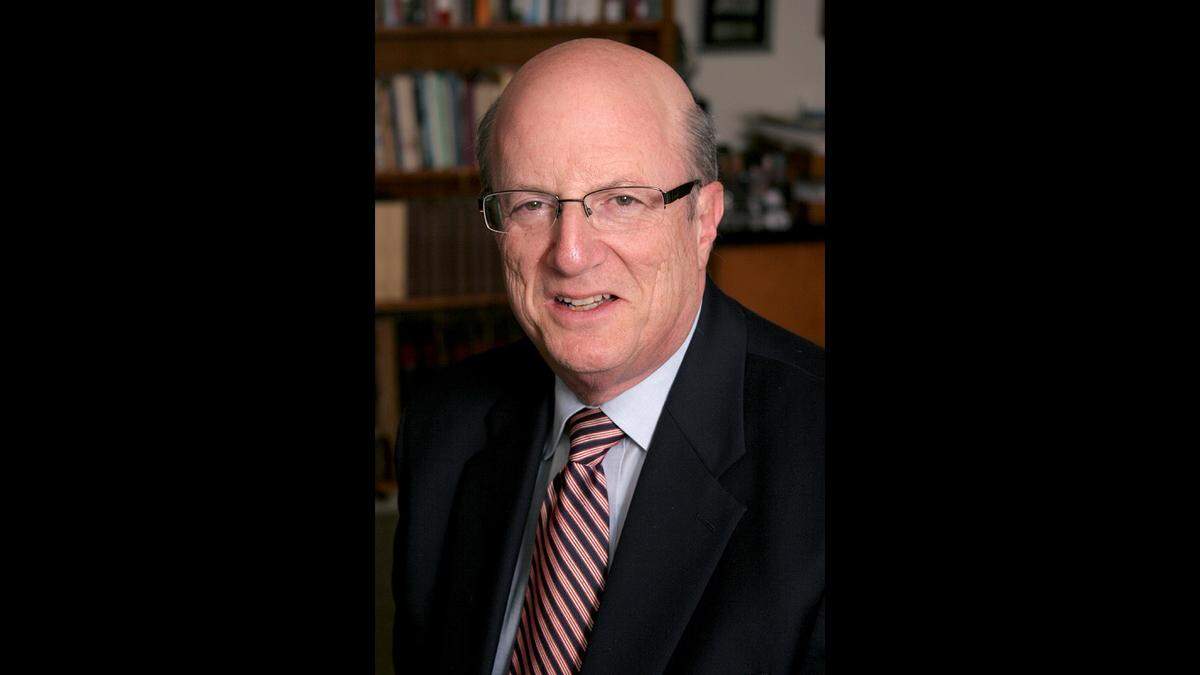
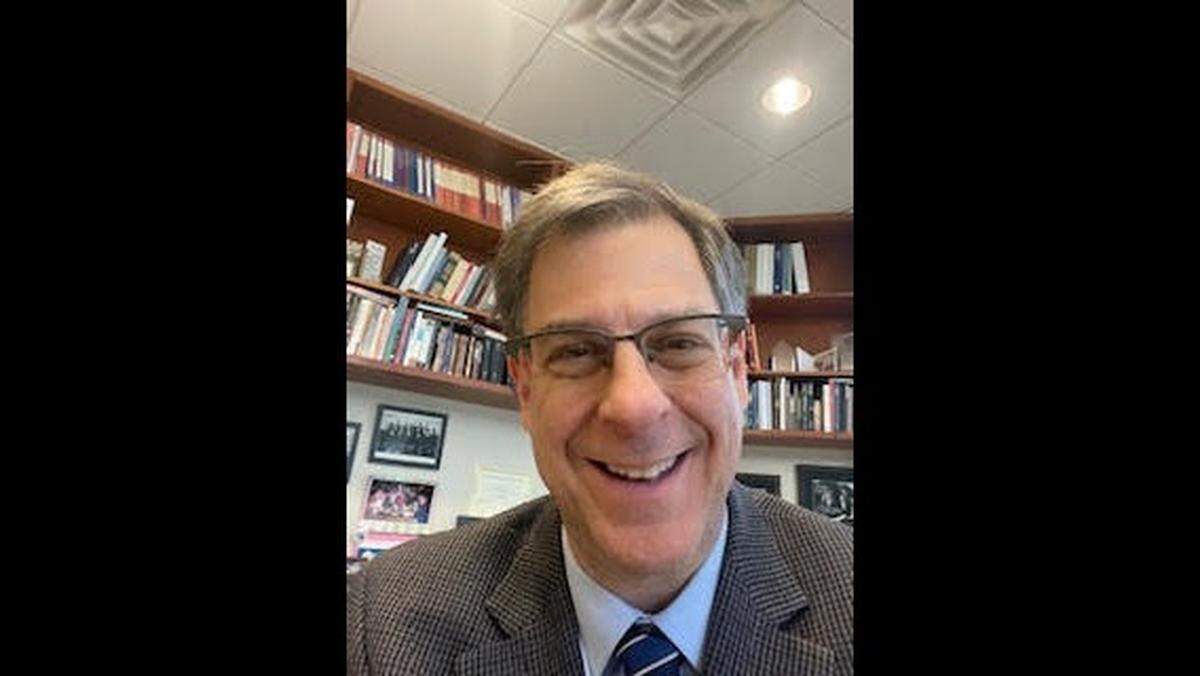
Ralph Mecklenburger is rabbi emeritus at Beth-El Congregation in Fort Worth, where Brian Zimmerman is rabbi.
This story was originally published October 13, 2025 at 4:33 AM.