Fort Worth can lead the way on civility in politics. Here’s how | Opinion
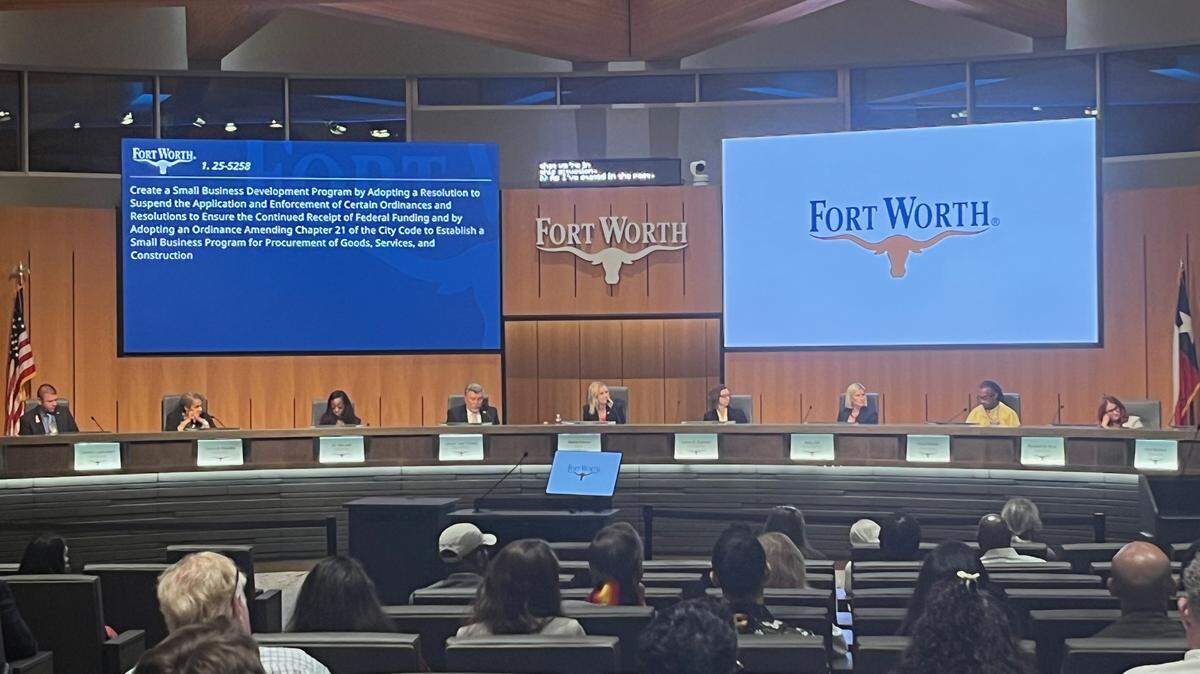
Partisan politics has a way of poisoning everything it touches. The old saying was that “politics stops at the water’s edge,” but here in Fort Worth, it should stop at the city limits.
This city was built on a tradition of solving problems together — whether it was paving roads, building schools or attracting businesses — without dragging in every partisan fight from Austin or Washington. Our history is full of leaders who put civic progress above partisan allegiance.
When Amon Carter lobbied for railroads, community leaders fought for a major airport and neighborhoods rallied to build schools and parks, they weren’t asking who voted red or blue. They were asking what Fort Worth needed to grow and thrive.
Then came the assassination of conservative activist Charlie Kirk, and within hours, the tragedy had become another flashpoint for political division in our city. City Council member Elizabeth Beck’s social media post referring to Kirk’s stance on gun rights was deleted almost as quickly as it was written. But Mayor Mattie Parker soon rightly condemned it, and the backlash followed close behind.
What should have been a moment for shared mourning instead turned into yet another cycle of accusation and outrage. It revealed something troubling: Even events hundreds of miles away are now carried into our civic life like sparks on the wind, igniting fresh fires of partisanship here at home.
Fort Worth must do better. Our city’s strength has never come from mimicking the national mood but from charting its own course. Potholes don’t ask if you voted red or blue. Zoning disputes don’t care what you think of Congress. Public safety, schools, water rates — these are not partisan abstractions, they are the nuts and bolts of governing well.
Good governance means balancing budgets responsibly, delivering city services efficiently and making long-term decisions that strengthen neighborhoods. It means listening more than shouting, collaborating more than scoring points, and remembering that results matter more than rhetoric. When we trade those responsibilities for partisan point-scoring, we fail the people who rely on us. If we let that continue, we risk losing the very character that once made Fort Worth a place where leaders could argue fiercely on substance but still share a handshake after the vote.
At the heart of this call for civility lies a deeper truth: every person bears an irreducible dignity. From a Judeo-Christian perspective, this is not simply a matter of courtesy but of conviction. Genesis 1:27 reads: “So God created mankind in his own image.” That truth means even our fiercest political opponent is more than a vote, post or headline — even our opponents bear God’s image and, therefore, are worthy of respect.
To speak with civility, to listen with patience, and to treat one another with care is not weakness; it is obedience to the command to love our neighbor as ourselves as Jesus taught about the Good Samaritan.
This perspective is not unique to faith communities, though Christians carry a particular responsibility to model it. History shows that societies flourish when human dignity is protected and decline when it is dismissed. If we want Fort Worth to be a city of character, then civility must be more than a polite gesture. It must be ever-present in council chambers, neighborhood meetings, and even on social media. We need a daily practice of choosing respect over derision, substance over slogans and neighborliness over nastiness. And, surely, civility must be based upon a basic truth that resorting to violence is an unacceptable response to our political opponents.
Choosing this path will not be easy. It will be countercultural. The loudest voices in American politics thrive on outrage and division, and they will keep pressing into our city, eager to turn Fort Worth into just another battlefield. Resisting that pull requires the courage to see neighbors before partisans, to value solutions over sound bites and to place community over combat.
Parker recently reminded us that our future depends on “a willingness to be open to get things done” by working together. That spirit, more than partisan posturing, is what has always set Fort Worth apart. If we recover it and treat every person with dignity and every disagreement with civility, we will not only keep our city strong. We will also offer a model of cooperation and respect that will have an impact beyond the city limits.
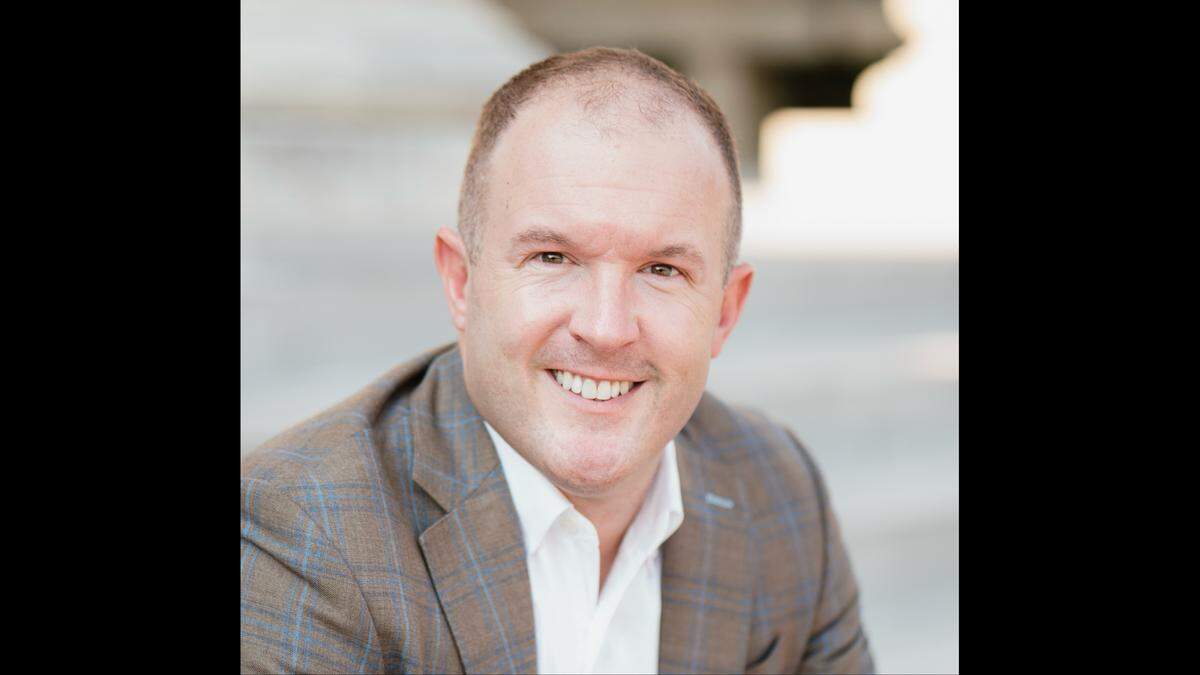
Colby Adams serves as senior adviser at Southwestern Baptist Theological Seminary. He and his family live in Fort Worth, where he is actively engaged in civic and community life.