We don’t need socialism to cut drug prices. Americans get a good deal | Opinion
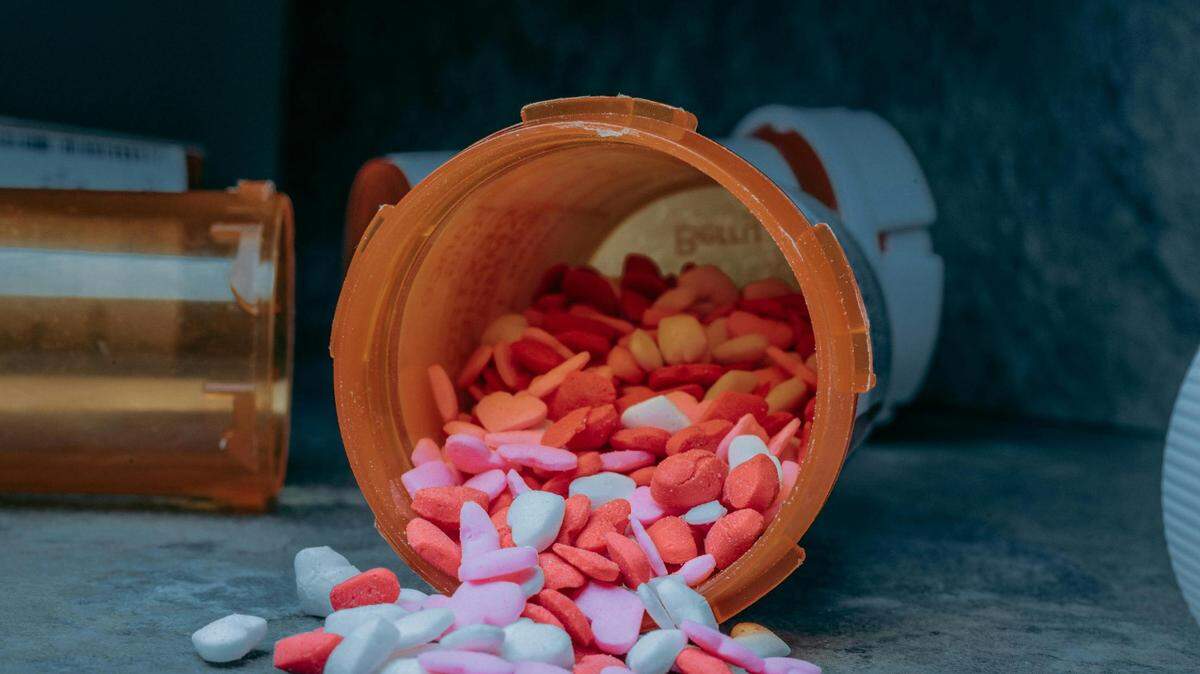
Nearly nine in every 10 Americans say that prescription drug prices are too high. Yet the average prescription costs less in the U.S. than in other developed countries, according to a new study from professor Tomas Phillipson, the former chairman of the White House Council of Economic Advisers.
That finding has huge implications for President Donald Trump’s “most-favored-nation” executive order, which seeks to ensure that Americans pay the lowest price for drugs in force in any developed country.
The new research indicates that we’re already getting the most-favored-nation price per prescription, once the entire drug market is taken into consideration. Importing foreign prices is unlikely to result in savings for average patients. And it would have significant trade-offs — namely, the development of far fewer novel medicines in the future.
Brand-name drugs tend to cost more in the U.S. But just 7% of all prescriptions are filled with brand-name medicines. By contrast, brand-name drugs account for 29% of prescriptions in Japan, 27% in France, 22% in the United Kingdom, and 19% in Germany and Canada.
The remaining 93% of U.S. prescriptions are filled with generics, which cost about half as much here as they do in other countries, thanks to laws and regulations that accelerate the approval of generic drugs and make America’s generics market hyper-competitive.
In short, Americans pay more for brand-name drugs. But those constitute a tiny fraction of total prescriptions. And we pay substantially less for generics, which account for the overwhelming majority of all prescriptions.
Once everything nets out, the average prescription filled through Medicare and Medicaid costs 18% less than the average prescription in those peer countries.
This balance is ideal — and intentional. For decades, U.S. policymakers resisted the populist temptation to slap price controls on cutting-edge drugs. They understood that if biotech companies and their investors could reap healthy returns through a period of exclusive sales because of patent protection, then they would invest more in costly, risky drug research and development.
And they were right. Two-thirds of new drugs are developed here precisely because our system rewards risk-taking and investment. That has been the case for the last decade.
Meanwhile, Europe — which previously led the world in drug development a half-century ago — had largely destroyed its biotech industry by the early part of this century with price controls and rationing.
Of course, the high prices that Americans see on brand-name drugs don’t last forever. About 40 years ago, the United States implemented the Hatch-Waxman Act, which set the stage for a smooth regulatory approval pathway for generic drugs. The law encourages these cheaper competitors to come to market as soon as possible after patents expire on brand-name medicines without jeopardizing the incentive for innovator companies to invest in novel therapies. Aggressive generic competition drives prices down by as much as 95%, according to the U.S. Food and Drug Administration.
If our leaders deviate from this successful model and follow Europe down the path to socialized health care, they’ll deter the research investments that lead to medical breakthroughs.
That would lead not just to worse health outcomes but also to higher spending in the long run. University of Chicago researchers estimate that a newly invented drug that slows the progression of Alzheimer’s disease could save more than $1 trillion in healthcare costs over a decade. New obesity drugs such as GLP-1s could yield similar savings by reducing the cost burden of chronic diseases.
Without new medicines, we’ll face higher costs — both human and monetary. Fewer breakthroughs mean more hospitalizations, lower worker productivity and more preventable deaths.
No healthcare system is perfect. But the American model is unrivaled in producing treatments that are broadly affordable in the long run. Price controls may have superficial appeal to voters, but the true cost lies in what we do not see: the cures never discovered and the lives never saved.
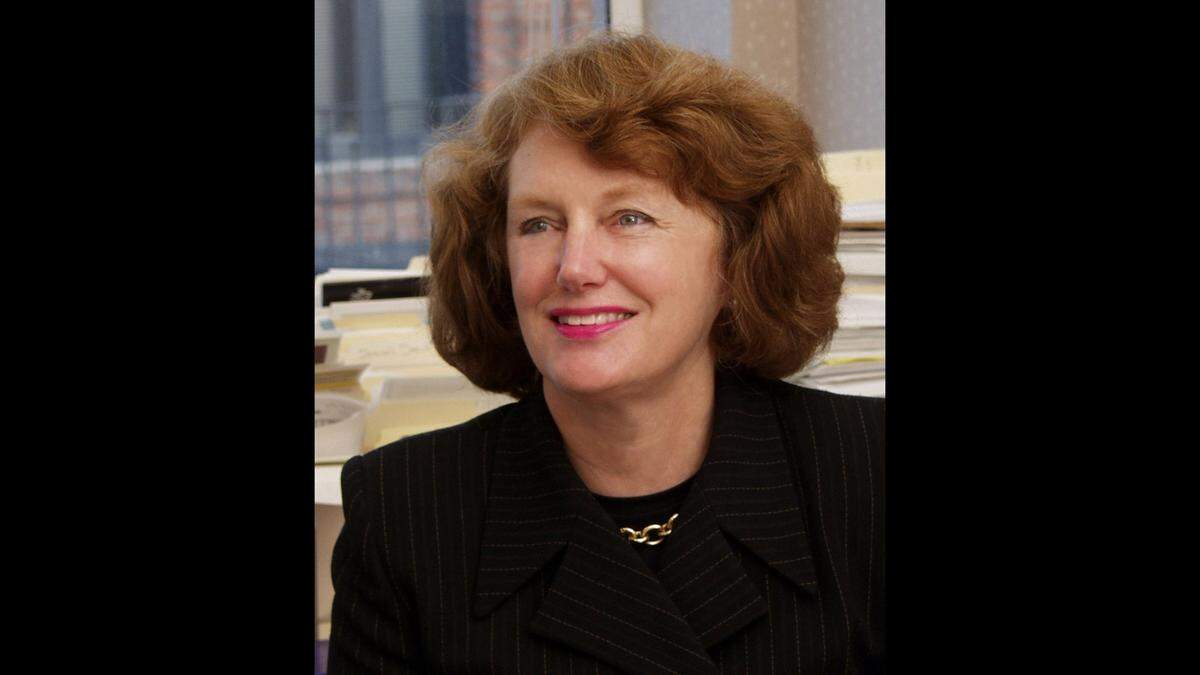
Sally C. Pipes is president, CEO and Thomas W. Smith Fellow in Health Care Policy at the Pacific Research Institute. Her latest book is “The World’s Medicine Chest: How America Achieved Pharmaceutical Supremacy — and How to Keep It.” Follow her on X @sallypipes.