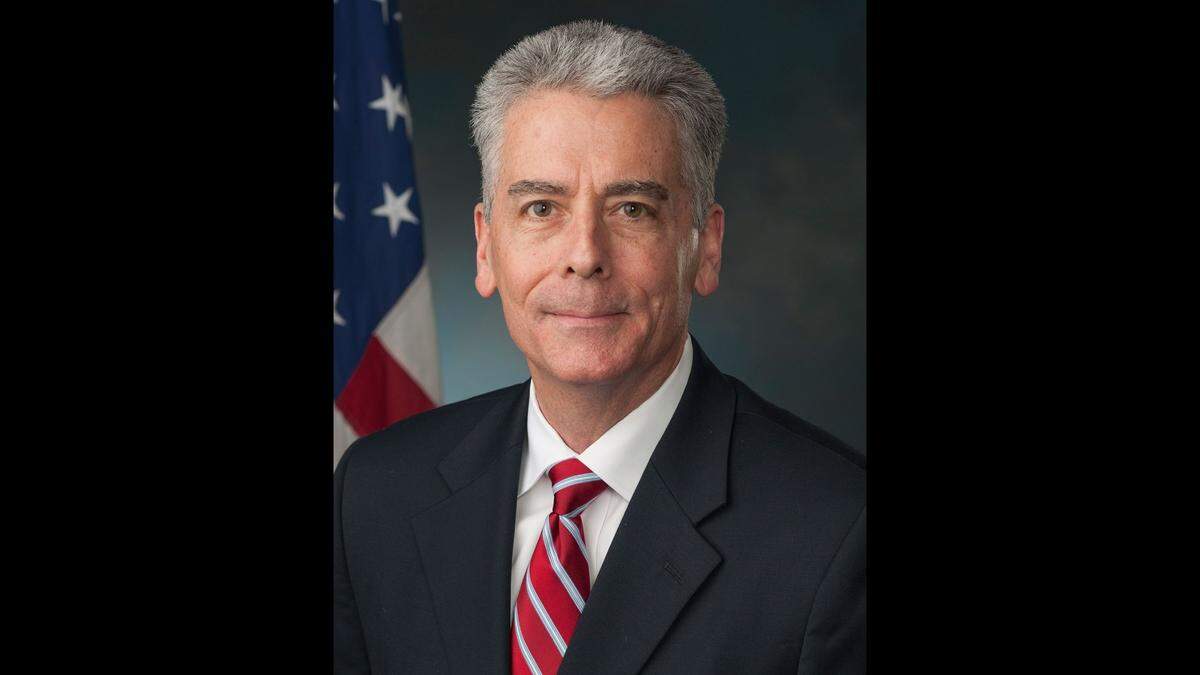
We’re working to prevent veteran suicides. Here’s how you can help | Opinion
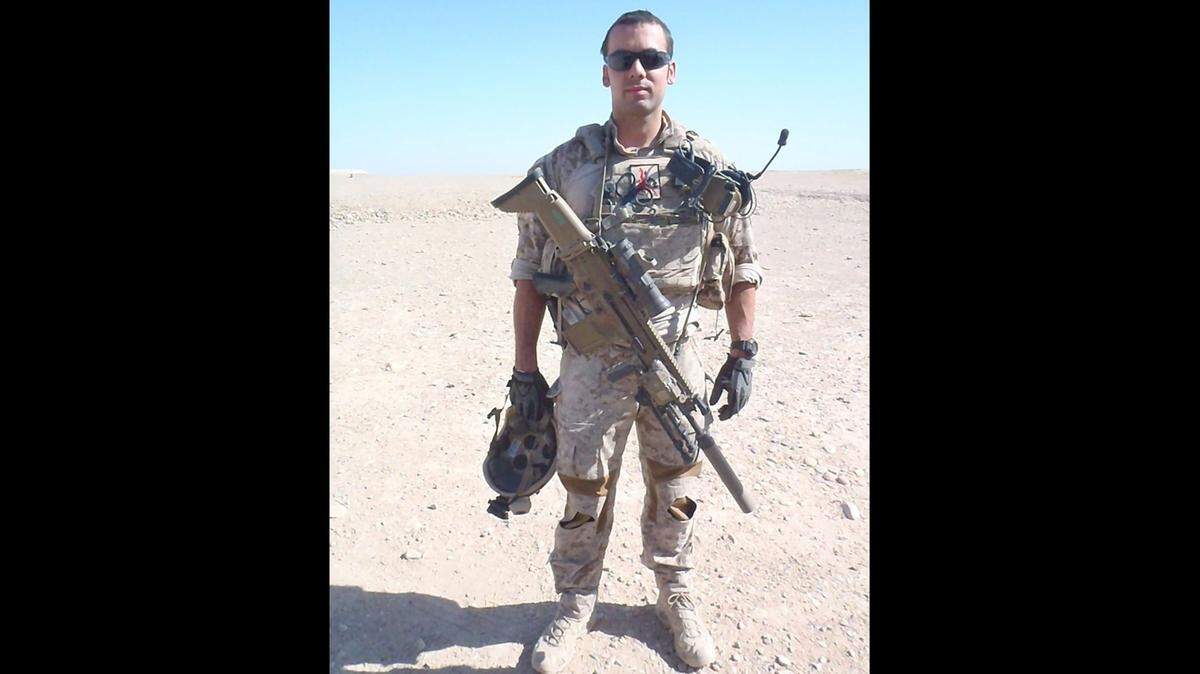
Every day, we lose too many of America’s heroes — not to enemy fire, but to despair and isolation. They are men and women in Texas and beyond who once wore the uniform with honor but now suffer silently, often alone.
The crisis among our veterans is one of the most pressing public health and moral challenges of our time. And in Texas, where about 1.5 million veterans reside, the burden is particularly heavy.
That’s why I’m proud to lead Warrior Call, a bipartisan effort designated by Congress, including Texas’ own Sen. Ted Cruz. We urge a simple yet profound message: connection saves lives. The goal is to “defeat isolation” and deputize every American to reach out to a service member or veteran — make a call, take a call and have a heartfelt conversation. In a moment of crisis or simply a time of great struggle, that connection can make all the difference.
The Senate’s support for the initiative is not just symbolic. It is a national acknowledgment of the silent suffering many veterans endure.
Research from the Department of Veterans Affairs shows that isolation is one of the most challenging issues plaguing vets. In fact, two-thirds of veterans who die by suicide had no contact with the VA in the year prior. They are disconnected from care, family, friends and the very systems meant to support them.
Troublingly, Texas consistently ranks near the top in veteran suicides. And many of these deaths may never be officially counted. Studies have found that suicides are underreported due to misclassification of drug overdoses, alcohol abuse and accidents rooted in trauma. One groundbreaking study by America’s Warrior Partnership found the actual suicide rate may be 2.4 times higher than the VA’s official tally.
We cannot allow bureaucratic gaps or outdated systems to deepen the chasm between veterans and the help they need. One major, fixable issue is the VA’s legacy health records system. Veterans routinely report the frustration of having to repeat their health history to new providers at different VA facilities. For someone already struggling with invisible wounds, this clunky system becomes a wall, not a bridge.
Modernizing this system is essential to keeping veterans connected to care. When a veteran doesn’t have to relive trauma to receive help — when the system listens without requiring the same painful story be told again and again and doesn’t require the vet to repeatedly provide his or her medical history — it sends a powerful message: We hear you, we care and we’re here for you.
These systemic changes are critical, but so too are grassroots efforts, especially for our post-9/11 veterans, those who have borne the brunt of two decades of conflict. These warriors often return home carrying unseen scars.
Traumatic brain injuries have emerged as signature wounds of the post-9/11 era, affecting nearly 500,000 service members. Many of these brain injuries are undiagnosed, and tragically, they can mimic the symptoms of mental illness and lead to suicide.
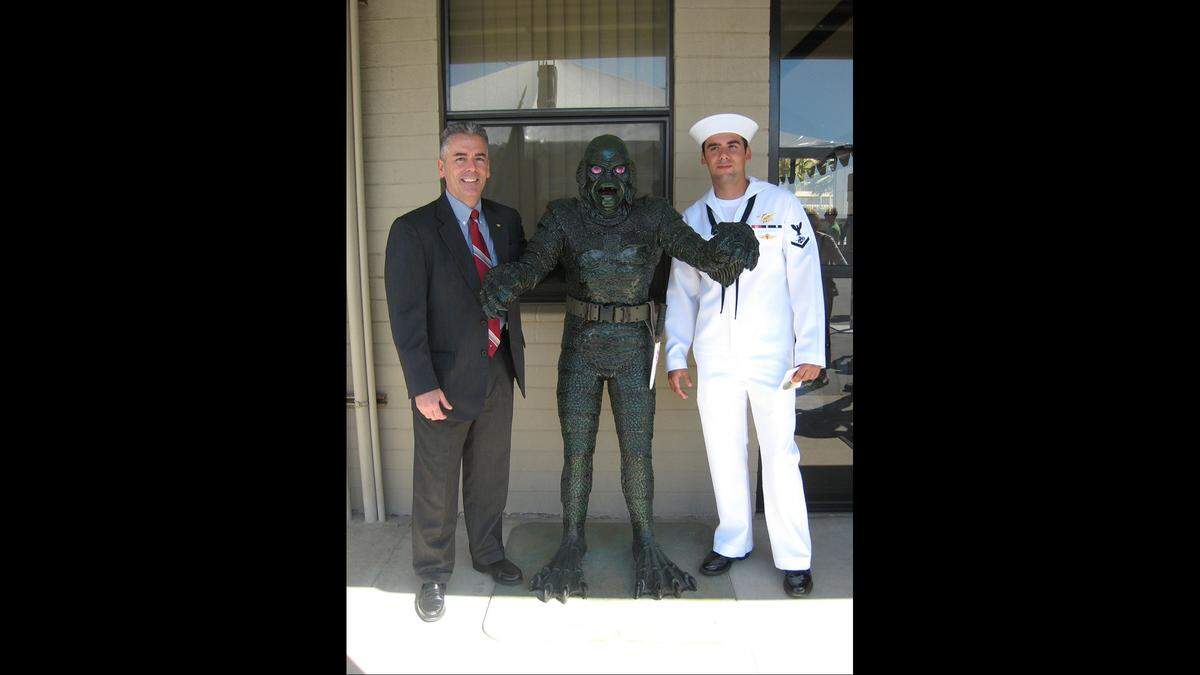
I know this too well. My son, Navy SEAL Ryan Larkin, died by suicide in 2017. When his brain was examined post mortem by Dr. Daniel Perl of the Uniformed Services University. He discovered microscopic scarring unique to military blast exposure in the brains of numerous veterans, and a clear pattern of injury emerged.
That scarring was consistent with cumulative, low-level blast wave exposure. Ryan not only experienced direct blast injury from enemy fire, but he also sustained repeated blast waves from his own weapon and explosives used for breaching, much of which occurred while training for combat. These injuries are invisible to traditional scans but can severely impact emotion and cognition.
Thanks to this research, the military has launched a new five-year study to deepen understanding of brain trauma and suicide risk. The research will take time. In the meantime, connection is something we can all provide today.
Leaders like Cruz deserve credit for their advocacy. Texas can follow suit by showing the country what it means to honor those who served not just with words, but with action. A phone call costs nothing. But to a warrior on the brink, it can mean everything.