
Graduation isn’t just joy for foster kids. Here’s how we help them into adulthood | Opinion

For most high school seniors, May is a time of celebration — graduation parties, caps tossed into the air and exciting plans for the future. But for youth in foster care, this moment often comes with a heavier question: What’s next?
Foster care is a growing crisis in America, with more than 400,000 children currently in the system, 76% placed there due to neglect. Closer to home, the problem is just as challenging.
As of Aug. 31, 2024, there were more than 16,700 children in state foster care in Texas, including more than 4,100 legally available for adoption. In Dallas-Fort Worth alone there were more than 3,600 children in foster care with over 750 legally available for adoption. As they grow older, they are likely to “age out” of the system, leaving them with little to no lifelong support system. According to one study, 50% of foster children who age out of care experience homelessness within 18 months.
But the numbers tell an even bigger story. About 70% of children who aged out indicated they wanted to go to college, yet only 3% will. About 30% will be in jail by the age of 20. And 52% will be unemployed, with many living at or below the poverty level. These are real challenges demanding real action.
And so while graduation is a major milestone, for many young people in foster care, it also marks the end of the support systems they’ve known. As their peers head off to college, start careers, or return home to their families, these graduates are left to navigate adulthood largely on their own. Finding housing, securing employment, and applying for college — each of these steps is daunting without a stable, supportive foundation.
At the Gladney Center for Adoption, we’re proud to celebrate two graduating seniors from our Gladney Home on our Fort Worth campus this May. These young women have worked hard, met their goals and earned their diplomas. Yet, like so many in their shoes, they now confront the uncertain question: What comes next?
Our mission at Gladney is rooted in a simple but powerful belief: Every child deserves a loving and caring family. We focus on creating permanency through adoption, because we know that a lifelong connection can make all the difference — not just on graduation day, but every day after.
And that’s why Gladney is leading the way in transforming how we help foster care children. We offer post-adoption counseling for child and adult adoptees, adoptive siblings, birth parents and adoptive parents in Texas. Our Gladney Counseling Services specialize in adoption related issues, complex trauma, relationships, life transitions, emotional regulation, attachment, anxiety, depression, and grief. We want to come alongside these kids and help them find their way through their challenges.
We believe that rather than a one-time event, adoption is a journey with a variety of needs over time. Birth parents, adoptees and adoptive parents need ongoing support, guidance, resources and connection. After adoption placement, Gladney’s clients have free, lifelong support from our Post Adoption Services team. In one day, that team may have contact with an adoptive family who welcomed their new child into their home this week, an 80-year-old adoptee, and a birth mother who placed her child for adoption 30 years ago.
We are eager to grow in clinical services and to elevate education, support and training for our clients by expanding research efforts around trauma for the most vulnerable among us. The future action steps of our 10-year strategic plan will include partnering with institutions, evaluating program practices and therapeutic approaches, tracking counseling client outcomes and providing a way to disseminate the findings to others in the child welfare field.
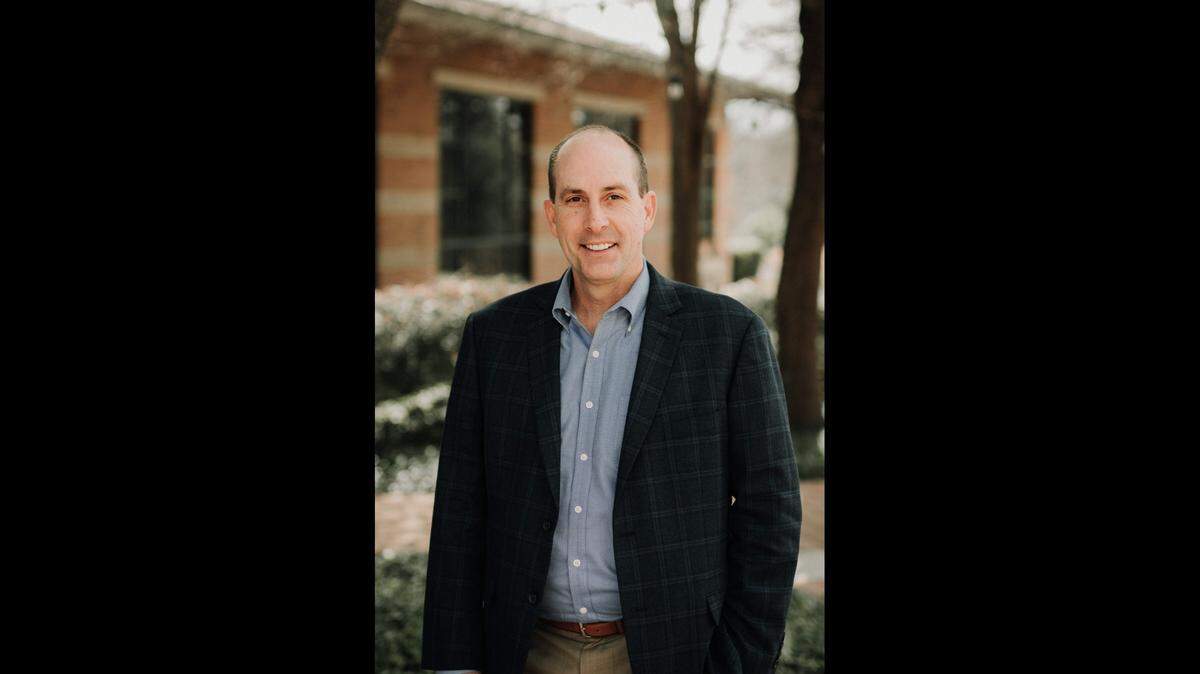
As the parent of a child adopted from foster care, I’ve seen firsthand the beauty and the challenges of this journey. Adoption doesn’t end when a child is placed in a home; it begins. That’s why our goal is to ensure every child stepping off the graduation stage this spring walks into a future filled with hope, love, and stability.
I encourage our community to look beyond graduation. Ask yourself: What comes next? And more importantly, how can you be part of the answer?
This story was originally published June 5, 2025 at 5:28 AM.