
Ban cellphones for students? Here’s how it went at my Fort Worth high school | Opinion
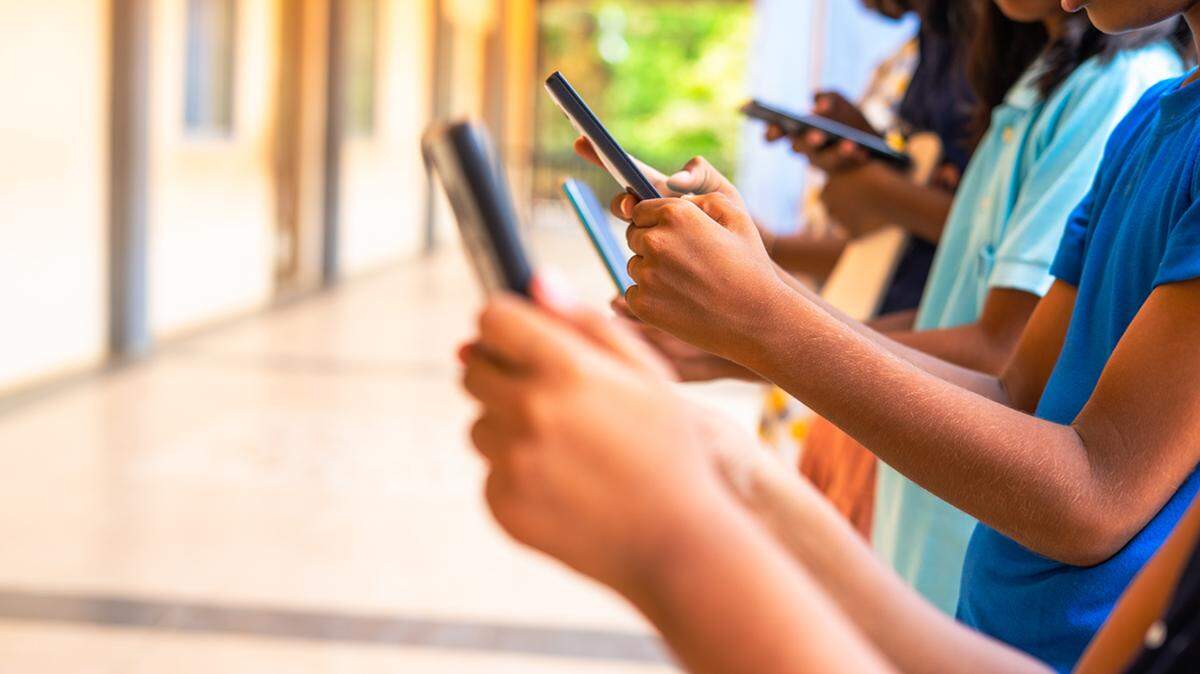
Recently, the statewide conversation about banning cellphones in schools — prompted by Texas Commissioner of Education Mike Morath — has caused quite a stir.
It’s not hard to see why.
The issue of cellphones in classrooms taps into something much deeper than technology. It touches on safety, freedom and, perhaps most of all, the evolving nature of childhood.
As someone who’s spent over a decade leading schools, including my current position at Nolan Catholic High School, I can say with certainty: our students are better off without cellphones in the classroom.
And I’m not just saying that because I’m a relic from the age of chalkboards and handwritten notes passed under desks.
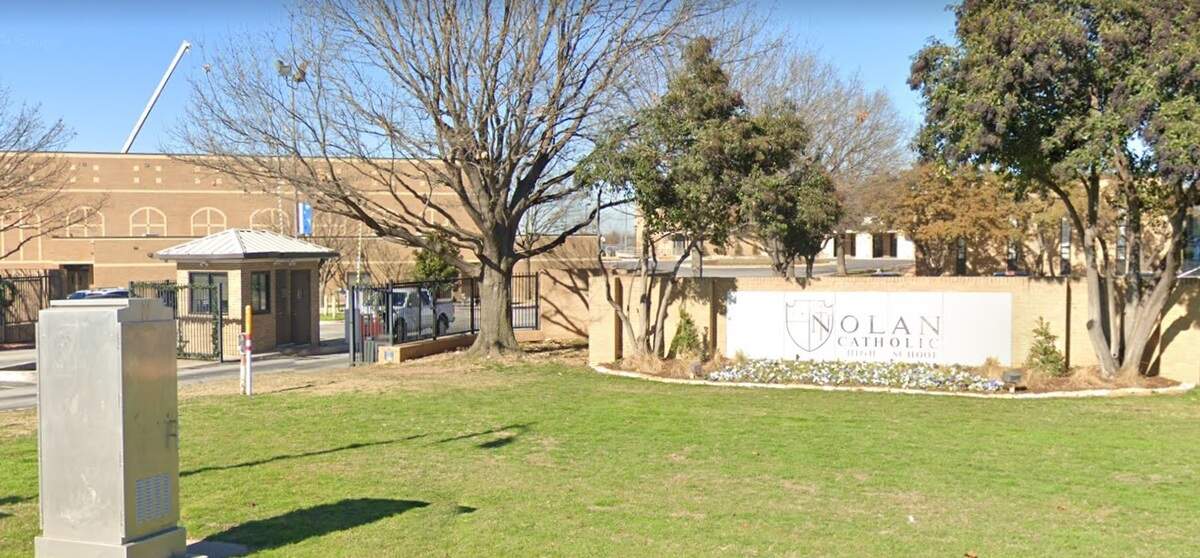
At Nolan Catholic, we made the bold decision to ban cellphones from classrooms two years ago.
It wasn’t easy. There were plenty of eye rolls from students, concerns from parents, and even a few second guesses among staff.
But the results have been undeniable.
A classroom where eyes are focused on teachers instead of screens, where students engage in face-to-face conversations rather than staring at their glowing devices is where true learning happens.
We must ask ourselves some tough questions as educators and as community leaders: Are cellphones really fostering an environment where students can thrive academically?
Are they helping to build healthy relationships, emotionally or socially, among students?
Are they promoting the kind of focus and discipline we all know is necessary for meaningful growth?
If we can’t answer each of those questions with a sincere “yes,” then why are we still allowing these devices to be the centerpiece of our students’ attention?
I’ve seen firsthand how removing cellphones from the school day has changed the dynamic.
Students who once retreated into their virtual worlds have rediscovered the joys of conversation. They look each other in the eye again.
They’re paying attention to the world around them, and — believe it or not — they are more connected to one another without their “connections” in hand.
The hallways feel livelier, and the classrooms are filled with discussions that aren’t disrupted by the buzzing of a group chat.
I hear the counterarguments loud and clear. Parents are concerned about safety, and rightfully so.
In a world that often feels unpredictable, the need to know where your child is or how they’re doing is paramount.
But let’s be honest: A cellphone doesn’t guarantee safety.
It does guarantees distraction.
We must think creatively about solutions that truly keep our students safe while allowing them to remain fully present in their learning environment. There are other tools, systems and practices we can employ to ensure security that don’t come with the steep price of poor learning.
What we need, more than a device in every student’s pocket, is the courage to make the right decisions, even when they’re unpopular. It’s our duty as principals, as educators, to lead with conviction and not convenience.
I’ve watched Nolan Catholic transform since we made the call to relegate cellphones to the lockers (our students are not allowed to use them at lunch time either).
I can assure you, it’s been worth every challenging conversation and every moment of initial hesitation.
Our students deserve to be in environments where their minds are fully engaged, where their hearts are open to the relationships they build with one another, and where their academic growth isn’t stunted by a constant stream of digital noise.
Cellphones, for all their advantages outside of school, don’t belong in the classroom. If we want our students to grow, then we must give them the space to do so.
To my fellow school leaders across Texas, I say this: It is not easy. But we owe it to our students to create a learning environment free from distractions, even if that means taking the harder, less popular path.
After all, our calling is not to be liked, but to lead. And lead we must—with clarity, courage, and the unwavering belief (because all the most recent science confirms this) that we are doing what’s best for the young minds entrusted to our care.
This story was originally published October 1, 2024 at 5:31 AM.