California tries to mess with Texas’ economy through shareholder activism | Opinion
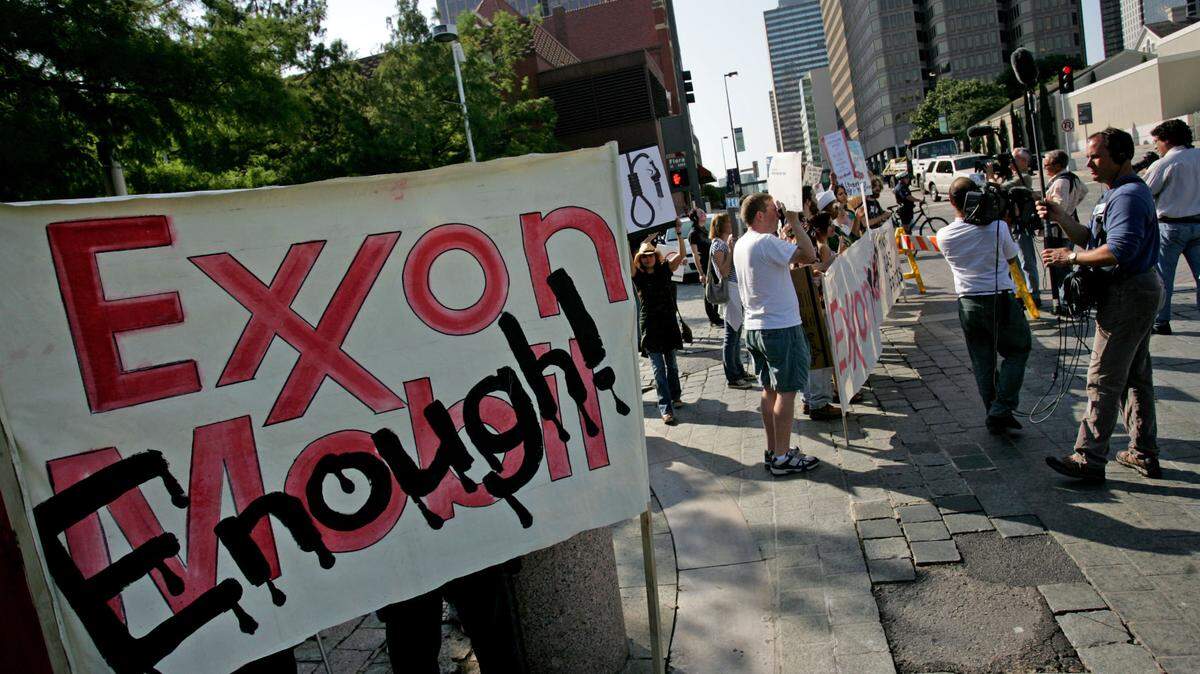
A few weeks ago, efforts by radical activists and the state of California to impose their agenda on the Texas economy were successfully turned back, and the good news is, it wasn’t even close. But that won’t stop them from trying again, especially since both the Obama and Biden administrations have done their best to rig the game.
I’m referring to the recent ExxonMobil annual meeting, where shareholders voted overwhelmingly to support the management of the company against resolutions introduced by activists and supported by CalPERS, the gargantuan California Public Employee Retirement System. With $500 billion in assets, CalPERS likes to throw its weight around for progressive causes.
In a self-governing democracy, the voters have a say, however indirect, in the policies under which we all live. And that happens through legislation. If you can’t persuade a consensus of the people to do things your way, you have to continue to try to build support. But too often, ideologues and their “by any means necessary” approach try to impose their agenda through other, non-legislative means, such as unelected regulators, activist judges and executive orders.
One of the latest schemes to do an end-run around self-government is using shareholder activism to pressure public corporations to embrace a progressive agenda. CalPERS is known for this kind of work. It’s also known for being underfunded by $150 billion and for underperforming its peers, no doubt partially because it puts its progressive agenda ahead of what’s best for its retirees. But that’s California’s problem. When it tries to impose its agenda on companies and even other states, it becomes everyone’s problem.
And now, these activists are being aided by the Biden administration through Securities and Exchange Commission policies that encourage shareholder activism.
Many public companies have been targeted like this to some extent, but perhaps none more than ExxonMobil. Two shareholder activist groups, Follow This and Arjuna Capital, have been pushing the same resolutions for years, always to be defeated by a vote of stockholders. These resolutions would impose environmental, social and governance policies, known as ESG, on the American economy through public corporations.
These groups don’t buy stock in companies because they want to supply capital to the businesses and then reap a share of the rewards down the road — they disclose in their mission statements that they buy minimal shares in companies for the purpose of pushing a public policy agenda. And the SEC aids and abets this effort.
What’s interesting this time is that ExxonMobil, which has its headquarters near Houston, is fighting back. ExxonMobil sued Follow This and Arjuna Capital, to not only relieve itself of the harassment, but also to call the SEC’s bluff and set a useful precedent. But because Follow This and Arjuna Capital thought they would probably lose the case, they moved to dismiss the case so they can continue to file the same activist shareholder resolutions year after year.
Why should you care about what seems to be an arcane matter of corporate governance? For one thing, many people are shareholders of such corporations through IRAs, 401(k)s and other investment and retirement vehicles. Anything that diverts and distracts corporate management from maximizing shareholder value costs you returns on your investments.
And for Texans, these efforts are a direct attack on our economy. Companies locate in Texas precisely to get away from these kinds of blue state regulations and intrusions. That’s why it’s great that Texas is also pushing back against this kind of activism by making it illegal for Texas agencies to invest with firms that pressure or divest from companies that don’t share their political agenda.
But from a broader public policy standpoint, shareholder political activism is an attempt to get around the inconvenience of building consensus and exercising self-government through legislation. It’s an attempt by a minority position that has not succeeded legislatively to impose its will on the country through back channels, and that’s simply un-American.