Texas schools face mental-health crisis. Teachers need more resources to help kids | Opinion
On a recent Monday morning, my fourth-graders were poised, with color-coded planning pages and brainy bubble gum, to practice the writing skills that we’ve been honing for months. Then, a boy I’ll call Christopher, one of my students who’s experienced severe trauma outside of school, stood in the middle of the room.
Disruptive angry outbursts at the day’s expectations quickly escalated to serious threats toward Christopher’s tablemates as he brandished the supply box’s scissors. My once-excited learners darted around the room anxiously looking to me for the help they needed. The tragedy is that, at moments like these, I am not able to provide what is needed to Christopher or the rest of my students who need my attention equally.
Coming out of the pandemic, schools like mine have seen a sharp increase in students’ mental health challenges. Research shows that about four students per classroom struggle with issues that impair them in some way. As of this school year, over 11% of our students have been identified as requiring special education services, a significant portion of these due to emotional disturbances as well as learning differences.
As in my own classroom on that Monday morning, educators across the state badly lack the resources to meet the needs of students.
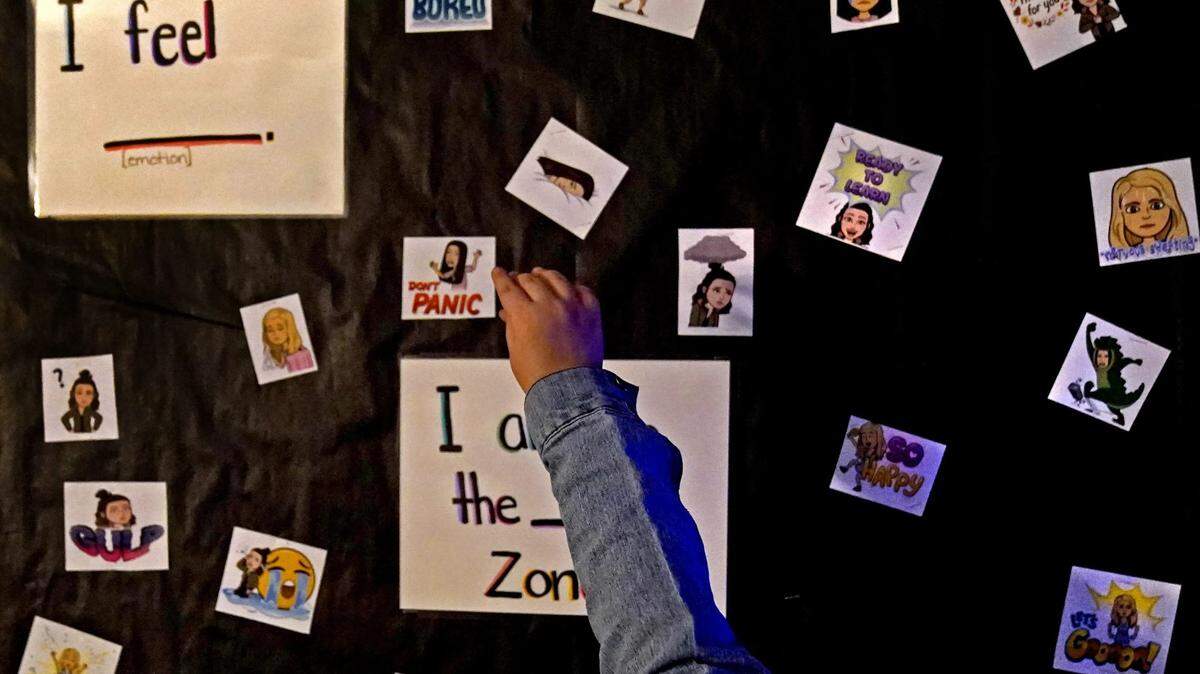
As a trained classroom teacher, I am equipped with a diverse toolkit to help students in crisis. I can provide trauma-informed care and come alongside struggling students like Christopher, bring them to our calm-down corner, and usher them into recovery.
Many times, however, I can not. Regardless of the outcome, in every instance, I take time away from 22 other students in my care and the abundant tasks on my plate to guide them each toward success.
Today’s Texas students require a team of investors. Classroom teachers have high expectations to rigorously instruct a room full of students toward academic mastery of our content while focusing on each child’s individual level and learning style. Simultaneously, we are shepherding students dealing with massive traumas that manifest in them coming to school with weapons, threatening classmates and teachers, destroying property, experiencing paralyzing anxiety and escaping from classrooms and buildings.
Without the support of mental health professionals available when these behaviors surface, teachers like me are left wishing we can do so much more. For students like Christopher, wishes are not enough.
In early November, I testified during the Legislature’s special session in support of House Bill 2, which would help to ensure our schools are safe places for students and teachers. Following the session, Rep. Ana-Maria Ramos proposed an amendment to the bill that would guarantee that funding for mental health professionals is not forgotten in our very necessary pursuit of school safety measures. The amendment failed and ultimately so did the bill, another casualty of the school-voucher war.
Research shows that student behavioral support is directly correlated with school safety. Without Ramos’ amendment, districts across our state will continue to underfund staff positions such as psychologists, licensed professional counselors and behavioral interventionists.
While hundreds of millions of dollars have been allocated toward addressing mental health and safety in schools, the temptation remains to funnel the majority of resources to the very real need for security guards, cameras, and locks while overlooking the necessity of mental health professionals. In the meantime, my students and I, along with students across our state, struggle without the support needed.
Without trained professionals to help students with mental health crises, schools will never achieve the safety that every community seeks. They will instead run the risk of falling even further into chaotic and unsafe environments for all learners. It is now up to individual districts to fill the void left by legislators. School boards and administrators must appropriately adjust the allocation of funding to provide students with mental health professionals.
With this kind of support in my classroom, Christopher could have joined his classmates smacking their gum, creative ideas bubbling over, with no one incurring any further trauma. We owe this kind of teaching and learning environment to every student and educator in Texas.