
About 40 workers a year die from heat. Here’s what we can do to protect them | Opinion
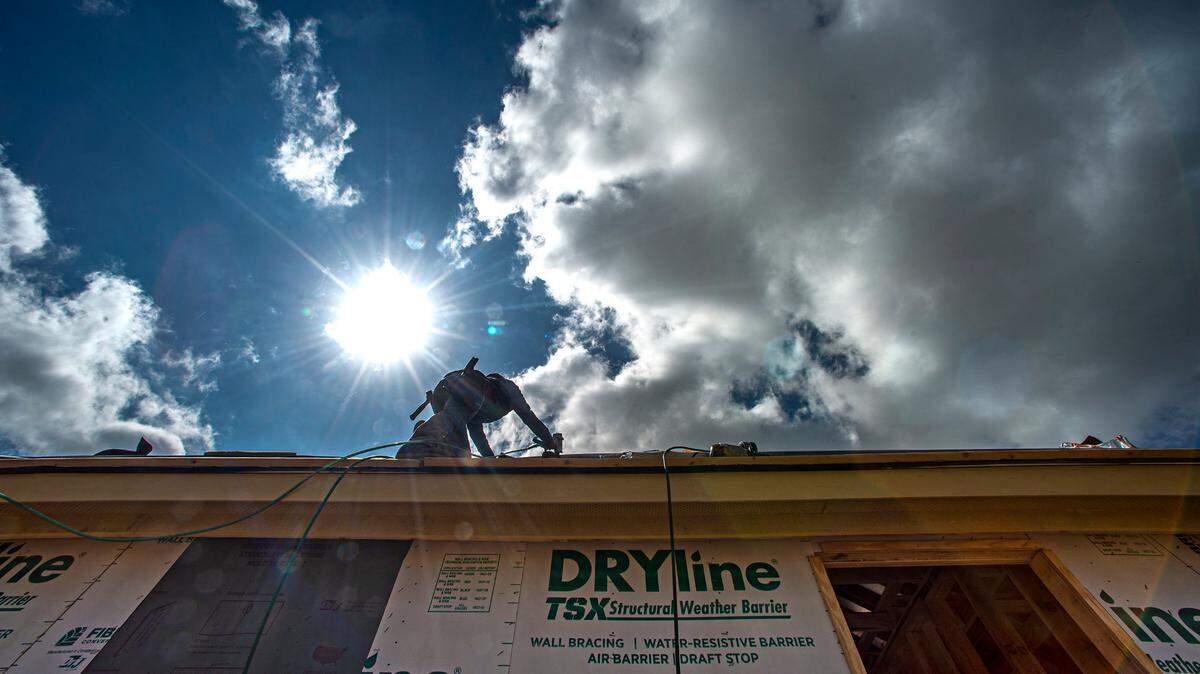
On an early afternoon in May 2022, 63-year-old Jose Armando Tobar was at work installing a roof on a residence in Ennis. He became ill and fell 12 feet to the ground. Exposure to excessive heat was determined to be the main contributor to or the cause of the fall. Tobar left behind a grieving wife.
The Bureau of Labor Statistics estimates that heat killed 436 people in the workplace between 2011 and 2021, an average of about 40 deaths a year. As we mark Labor Day 2023, 24 workers have fallen victim to the danger in our region, 18 of them in Texas.
As temperatures climb throughout the nation, many more workers are being exposed to the same risks that took Tobar’s life.
Workers in our region, however, are demanding greater protections, and those of us at the U.S. Department of Labor’s Occupational Safety and Health Administration are collaborating with community and worker advocacy groups and other stakeholders to ensure protections are applied equally to all workers. We want safety and health to be a core value in every workplace.
As of Aug. 28, OSHA has performed 262 heat-related inspections in Texas. While some states pass laws that no longer require employers to protect workers from the dangers of heat in the workplace, OSHA continues work on a much-needed workplace heat standard.
The regulatory process for creating industry-wide standards takes time, but workers should know other protections exist, including those in OSHA’s general duty clause that hold employers responsible for not protecting workers from the dangers of heat exposure.
At the direction of President Joe Biden, the Labor Department announced a nationwide heat alert on July 27. OSHA pledged it would step-up enforcement of heat hazards in outdoor and indoor workplaces, including an emphasis in high-risk industries like construction and agriculture. These actions will fully implement a National Emphasis Program on heat that debuted in April 2022 and will focus enforcement in geographic areas and industries with the most vulnerable workers.
While none of these actions will bring Jose Armando Tobar back to his family and friends, we owe him and those whose jobs cost them their lives to do all we can to protect those at risk of potentially hazardous workplace heat.
If you know of or see workers exposed to dangerous heat or struggling to work as temperatures rise — or if you’re an employer who wants to learn more about protecting workers from heat illness — contact your local OSHA office. Together,we can save lives.

This story was originally published September 4, 2023 at 5:28 AM.