New Texas law will keep kids from needed online community — and hit LGBTQ teens hardest | Opinion
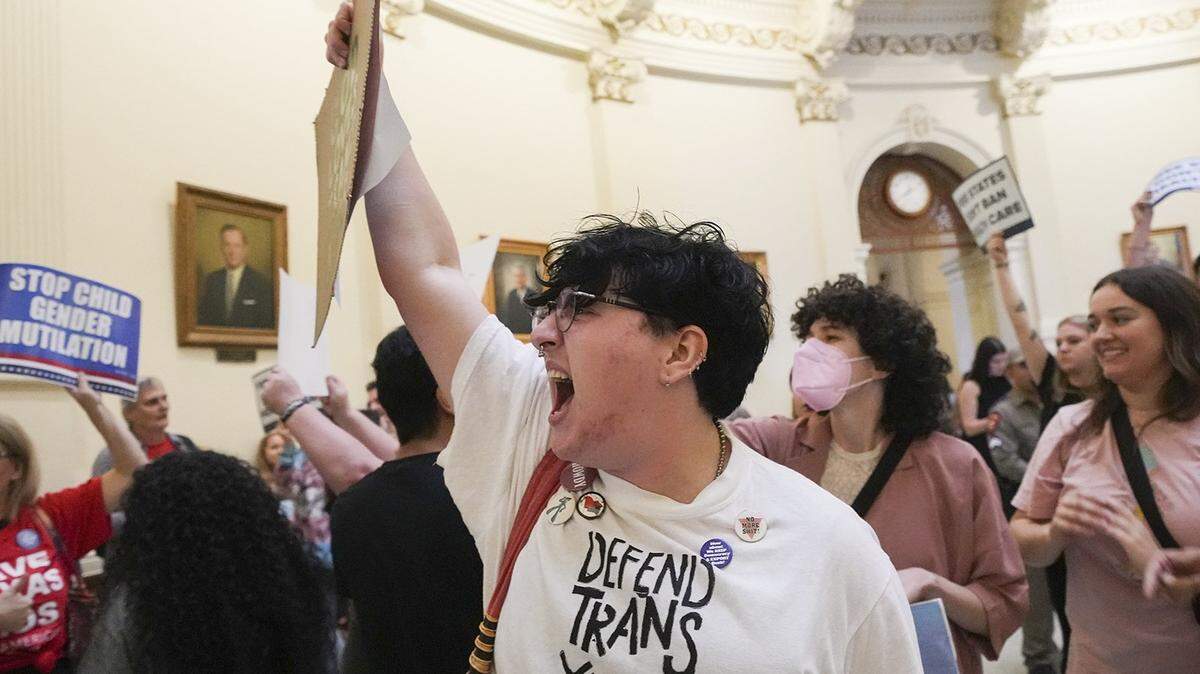
Over the past couple of years, school boards and policymakers in Texas banned more books from school libraries than any other state in the country, leading a national movement targeting books that discuss gender identity and race. Now, the Lone Star State is leading the next censorship trend: removing LGBTQ content online.
Gov. Greg Abbott signed a new law that adds fuel to the fire by opening the door to digital state censorship. The bill will deprive teens in need — especially LGBTQ youth — of access to online resources and connections with peers who identify like they do. Additionally, the bill puts online privacy at risk for both minors and adults.
House Bill 18, also known as the SCOPE Act, is meant to empower parents and lawmakers with tools to protect kids in the digital sphere. To do that, the legislation places several requirements on social media platforms, including that they verify the age of users, hand control of teens’ accounts to their parents, and ban certain content for anyone younger than 18.
The bill creates a ban list of content that social media platforms cannot allow minors to access. Included on the ban list are a dozen types of harmful speech, including self-harm posts and eating disorder content, as well as what the bill describes as “grooming” content.
Nowhere in the SCOPE Act’s text is so-called grooming content defined, but for anyone who’s followed Texas’ war on school libraries, that word shouldn’t be hard to recognize. “Child grooming” is the same justification that Texas school board members and far-right activists across the country have used to ban LGBTQ books from local libraries. “Groomer” is a label that some on the right have applied to librarians themselves.
Now, H.B. 18 will empower Texas’s attorney general to prohibit social media platforms from showing teens “grooming” content. It’s likely that online LGBTQ content will be first on the chopping block.
To make matters worse, the law will isolate teens who don’t have supportive parents. The legislation requires that parents be placed in control of a teen’s social media account, allowing them to change settings and even shut an account down.
Such a requirement threatens serious harm for the tens of thousands of Texas minors who face abuse and neglect at home. Under the law, kids with an abusive parent could be cut off from lifesaving resources as their abuser is handed control over their online activity, preventing teens from accessing reporting resources or connecting with help.
The SCOPE Act will also isolate many LGBTQ teens living with unsupportive families. Research from the Trevor Project finds that fewer than 1 in 3 transgender and nonbinary youth find their home to be gender-affirming.
These teens will be cut off from online support by their parents, despite the fact that studies show online access can be especially important to the mental health of queer teens. A recent report from the U.S. Surgeon General found that LGBTQ youths, especially those with unsupportive parents, feel less alone when connected with online communities.
On top of censoring and isolating the LGBTQ community, the SCOPE Act presents privacy risks for both minors and adults in Texas.
In order to comply with the law, social media platforms will be required to verify users’ ages and confirm the identity and location of both a parent and their child when setting up a minor’s account. This means forcing online platforms to collect and store sensitive data on anyone who makes an account, heightening privacy risks for all Texans.
Parents must have a say in their children’s social media presence, and lawmakers are right to debate how they can create a safer online experience for young people. But for legislation aimed at protecting minors online, the SCOPE Act achieves the exact opposite: isolating teens who need support and risking the privacy of all Texans online.
As more and more school libraries see their shelves emptied of LGBTQ books, the Internet is a last refuge of support for many young adults. Texas parents should speak up against the law being used to extend the right wing’s culture war online.