
Mark Davis: My journey from a Fort Worth Waffle House to a big anniversary in talk radio
My mind can barely wrap around the anniversary this week of 40 years of hosting radio talk shows. But I have no trouble recalling the most meaningful show along the way: March 28, 1994, a day that began at the Waffle House on Oakland Blvd. at I-30 in East Fort Worth.
That outpost seemed like a good spot to knock down some breakfast and spread the newspapers out in search of worthy stories for my first show back in my native Texas. Freshly hired by WBAP (820 AM), I wanted to hit the ground running, taking full advantage of the opportunity to plug into a thriving market in a state where politics was in a fascinating state of flux.
I spent six months’ worth of mornings prepping at that Waffle House, then heading just south of the interstate to the historic studio location atop Broadcast Hill, a property then shared with KXAS-TV (Channel 5. I arrived just as the radio station was packing to move to a new, larger facility on Lamar Blvd. in Arlington. But in those six months, I enjoyed a deep lesson on the events that had passed there.
.JPG "PHi_j0136(6).JPG")
Channel 5 used to be WBAP-TV, created (as the radio station was) by the vision of Amon Carter under the umbrella of the Fort Worth Star-Telegram. The TV-radio dual identity ran so deep in the public mind that 20 years after the corporate partnership dissolved (and the TV call letters changed), we would still get calls at the radio station asking for then-anchorman Mike Snyder and iconic meteorologist David Finfrock.
Over the decades, the Lone Ranger had made appearances in that parking lot. Local kids had climbed our broadcast towers as a prank. The incomparable Bill Mack had entertained a national audience of truckers as “The Midnight Cowboy.”
There was a current of Fort Worth pride that bristled at the WBAP radio move, and I recall management attempting to soothe ruffled feathers with the rejoinder that at least we were not moving out of Tarrant County.
Today, WBAP radio is no longer in Tarrant, and I am no longer at WBAP. But nearly 30 of my 40 years of talk shows have been in the service of North Texas listeners, and, thanks to this newspaper, North Texas readers. An overview of my eternal gratitude is in order.
My father taught me early about the value of luck — being in the right place at the right time — but also the wisdom of helping good fortune unfold with hard work and commitment. I ran the news department of a station in Jacksonville, Florida, in 1982 when the owners decided to change format and plug into a full day of syndicated satellite talk show programming. They needed a local morning host but had virtually no budget to hire one. I was in the building already, and they gambled that just shy of my 26th birthday, I could cobble together a performance that would not embarrass them.
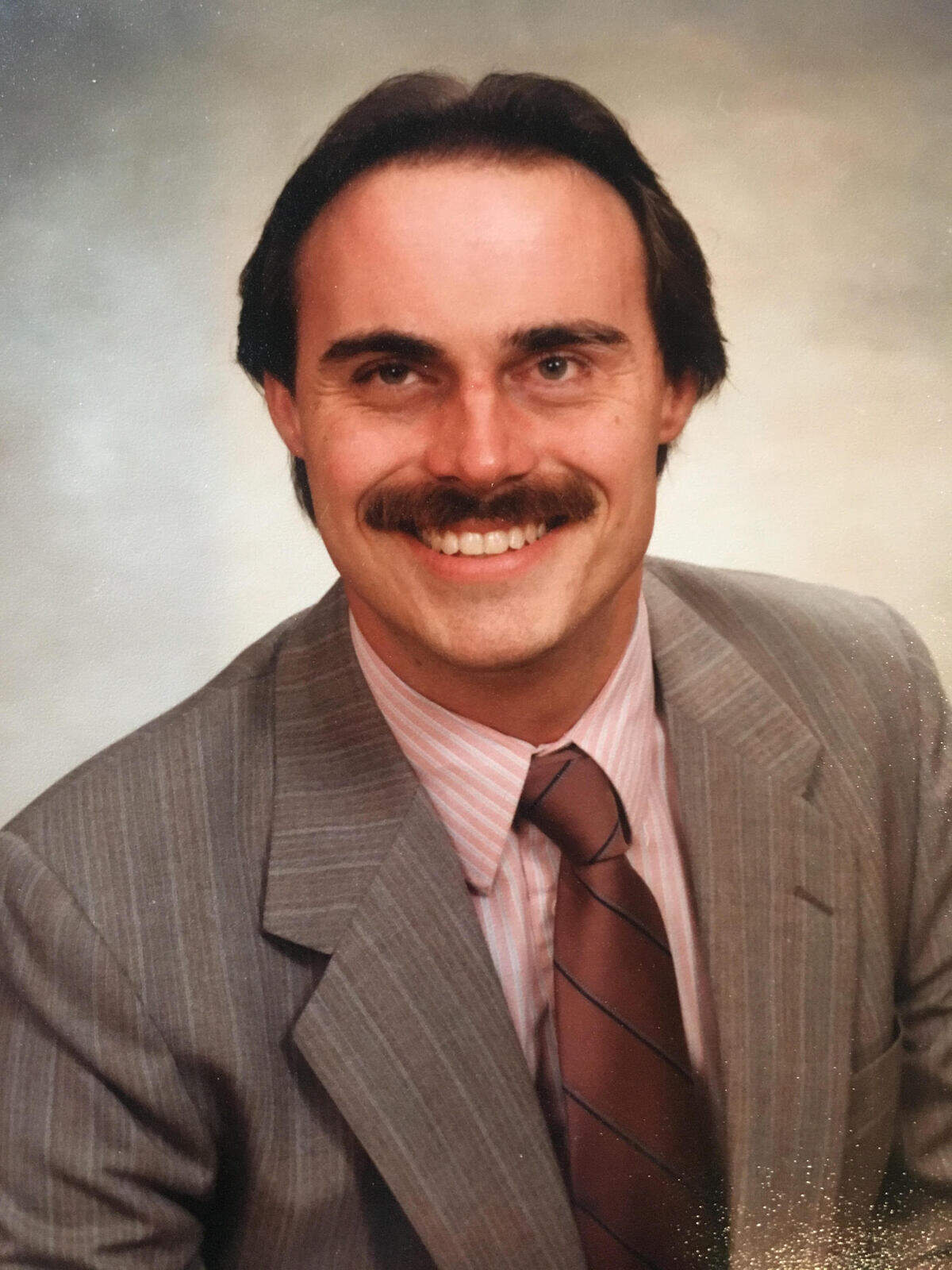
Tyler Cox was the best supervisor I could have hoped for, with a policy of hiring people who knew what they were doing and letting them do it, addressing any problems as they arose. In Washington, we had spent two years chasing a dominant station owned by ABC that aired the Rush Limbaugh show. Then he told me this was his chance to head to DFW to actually run the station owned by ABC that also aired Limbaugh.
He asked me to come with him, and I declined.
My Texas roots meant a lot, even though the military moved our family out of San Antonio before I was 2, and the chance to be part of a legendary station adopting the talk format was compelling. But in Washington, I was back where my parents had raised me, where a childhood full of friends lived. And we seemed close to catching our ratings rival.
A little over a year later, I was kicking myself. WBAP’s switch to the talk format was a major national story in the industry, and I thought I had blown the opportunity to be a part of it. But Cox’s instincts were a great favor to the station and ultimately to me. Radio format changes are usually followed by widespread immediate firings. He had chosen instead to allow a legendary on-air staff — Hal Jay, Don Harris, Don Day and others — to blend into a slow conversion that would be less jarring to the audience. And I learned there was still room for me if I was interested.
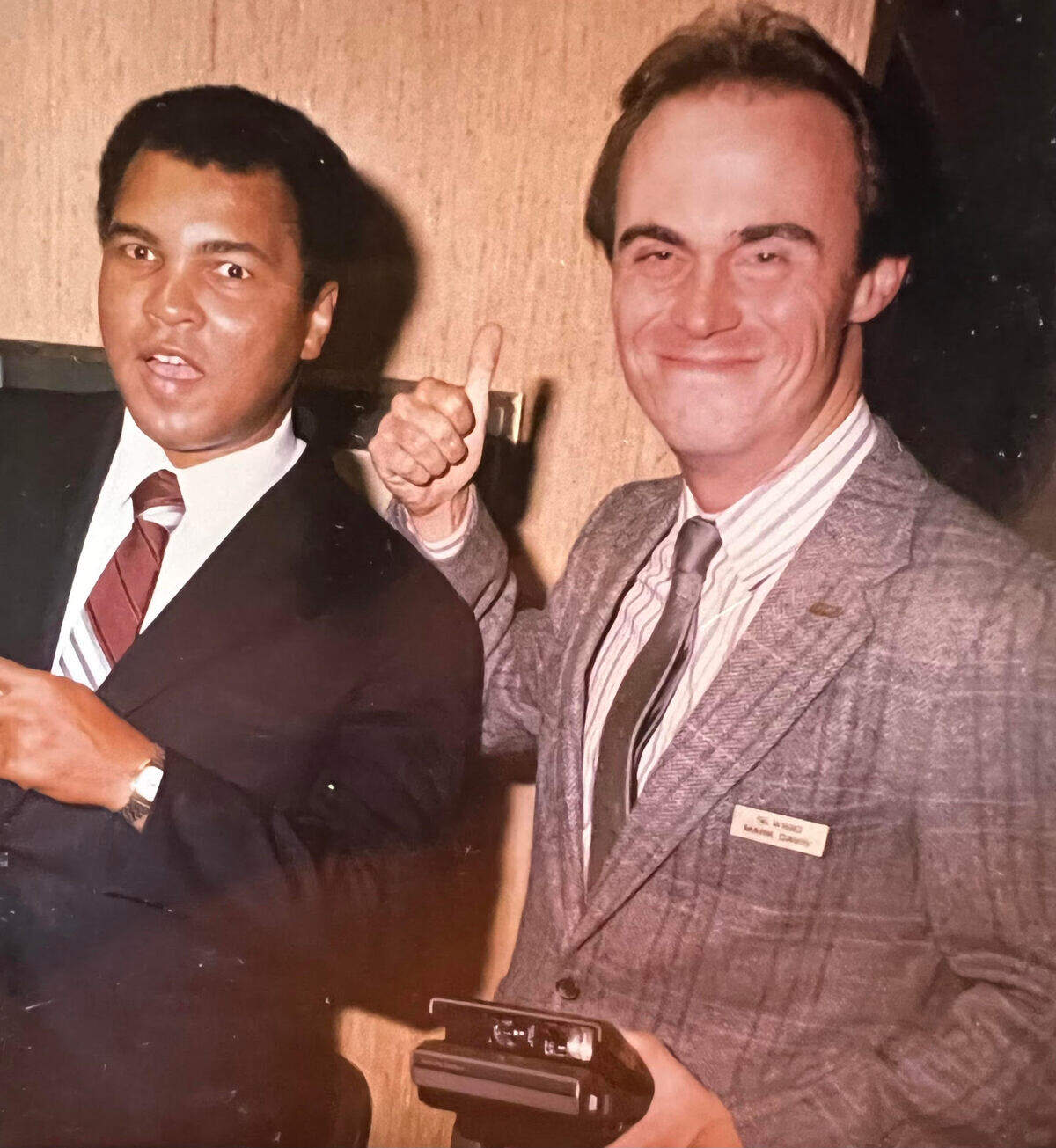
Hal, of course, is still there every morning. To join him and that team in 1994 in a lineup that dominated for my 18 happy years there was an incomparable joy. But in 2012, change was in the wind. The station was building new studios in Dallas. The economic collapse of 2008 had brutalized media companies of every type — radio, TV and print — and my contract was coming up for renewal. All over America, radio hosts’ salaries were being halved if not worse, and their options were to take it or leave it.
I left it. And in so doing, violated another valuable Dad lesson: “Don’t ever leave one job until you have another one lined up.”
I examined every option, including starting my own syndication business, or the last resort — moving. Then, Salem called.
The Salem Media group owns Christian format juggernaut KLTY and KSKY at 660 AM, a talk station running hosts on the national Salem Radio Network. Their national program director, Phil Boyce, was a veteran of ABC stations where we had run across each other on occasion. He envisioned launching stations across the country known as “The Answer,” based on the notion that if listeners were wondering what the news was and what the hot topics are, well, we would be the answer.
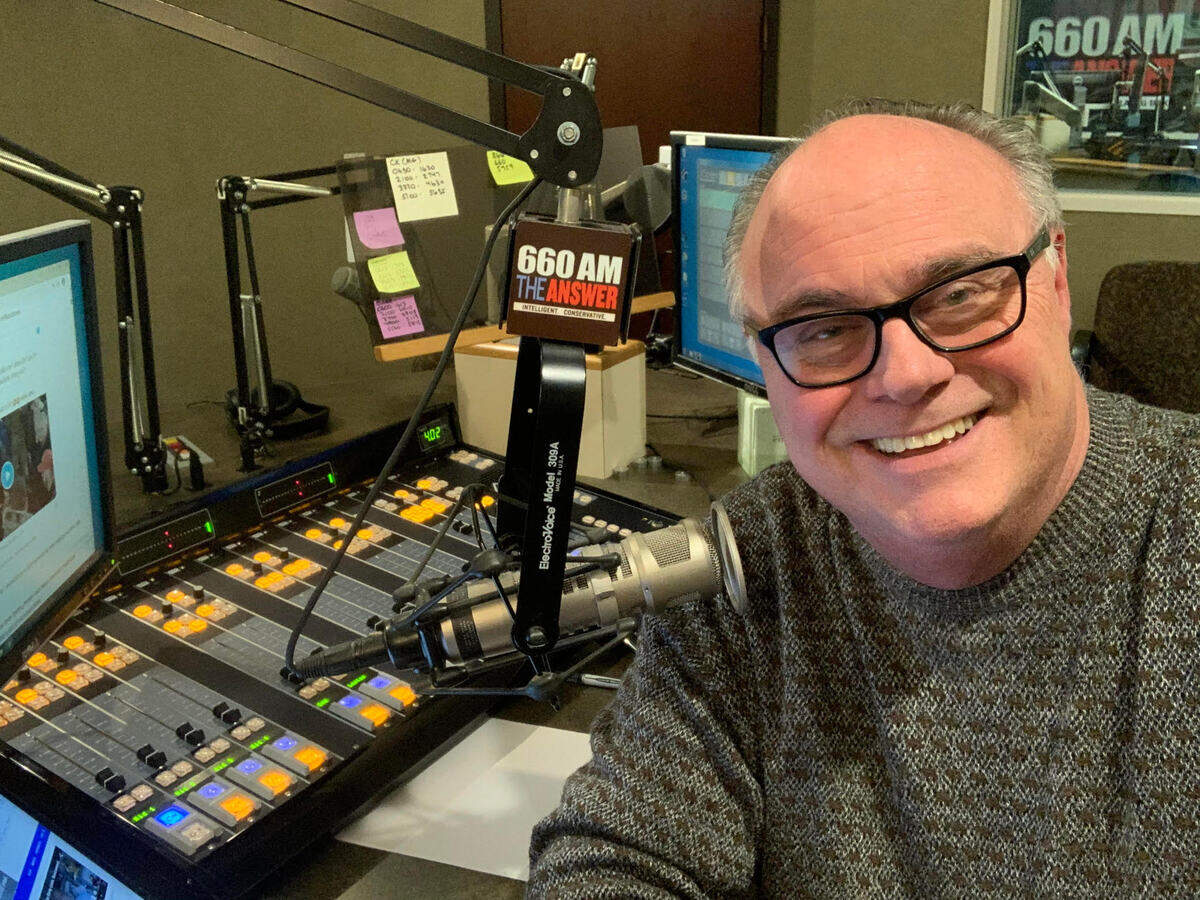
So on June 4, 2012, I sat down in a studio in Irving for my first show at the new station dubbed “660 AM The Answer.” I looked ahead to the rest of a career spent in this community, talking about things we all care about, locally and nationally, on radio and elsewhere. It’s always a pleasure to accept the occasional TV invitation, and it’s of fitting value to conclude with a word about newspaper columns.
In 1996, barely two years into my Texas career, Star-Telegram Executive Editor Jim Witt called to ask if I had any interest in writing a column. From the adventures of the Clinton presidency through the Bush-Kerry election season of 2004, I worked with veteran editor Mike Norman on columns I still have clipped in a thick folder.
On a given day in that period, an op-ed reader could find the seasoned views of legends like Molly Ivins and Bob Ray Sanders, sometimes alongside my offerings of a decidedly different flavor. It was an honor then, and it’s wonderful now, to have a portion of my column craft in the specific community, and the specific paper, which have figured so prominently in my life.
So, 40 talk radio years in, I have no plans to hit the exits. On the air and in these pages, there are just too many adventures left to unpack.